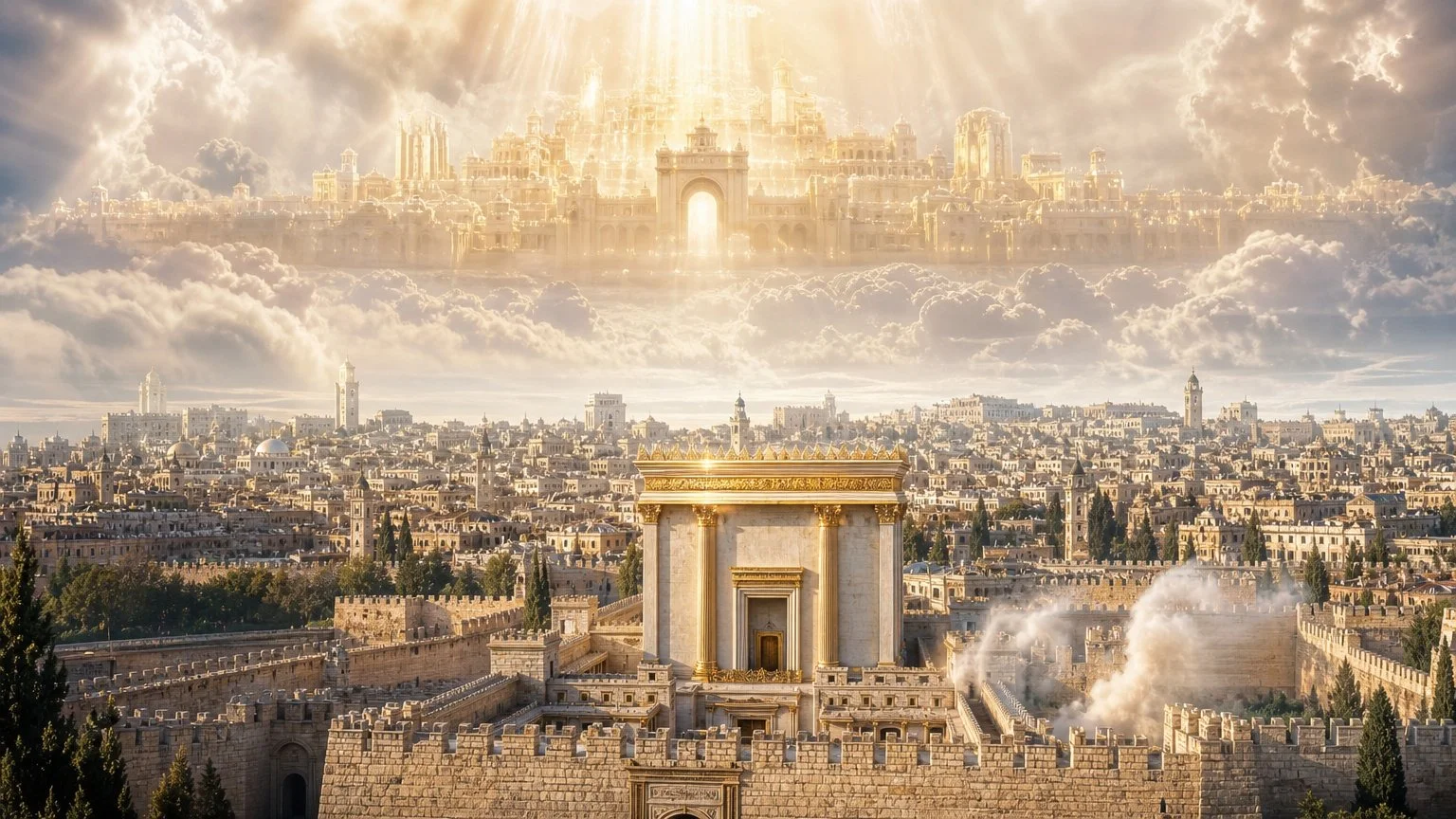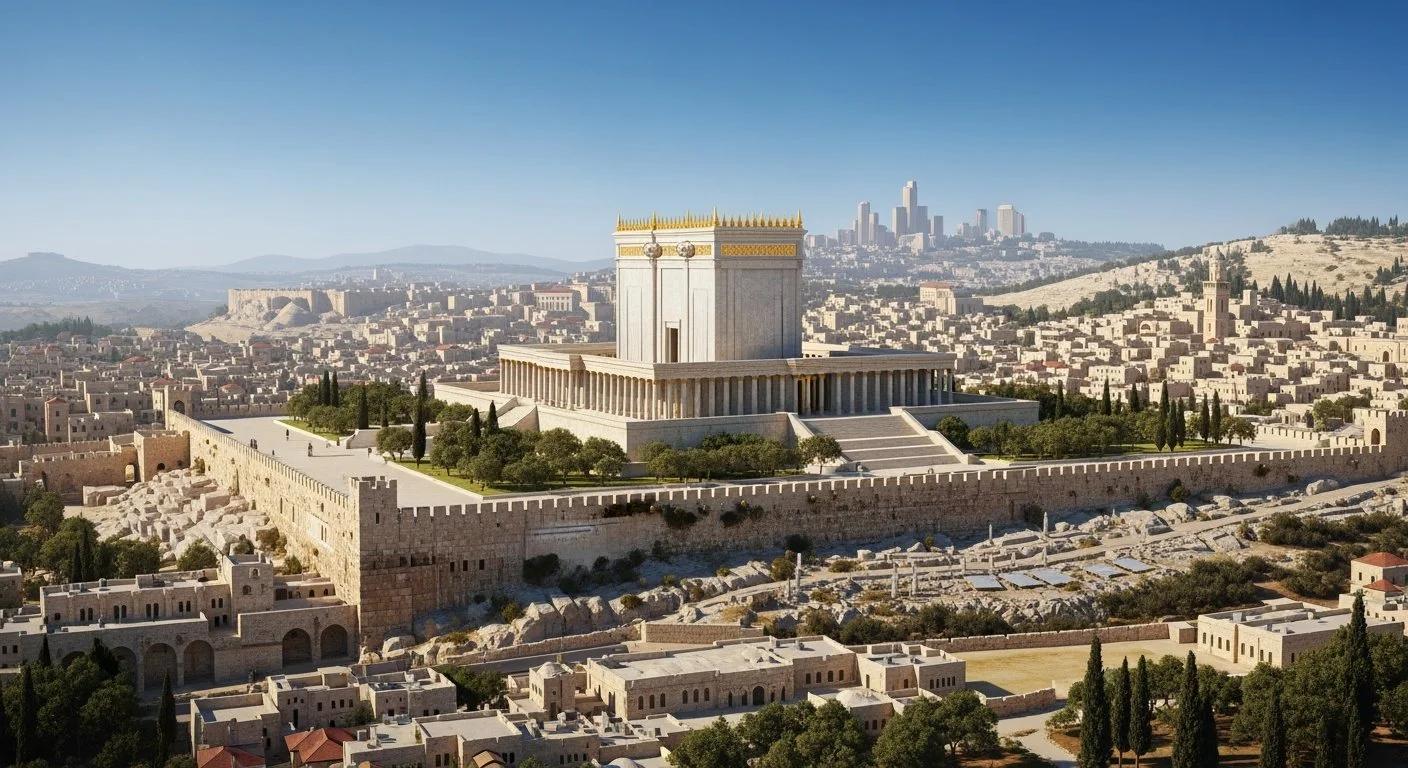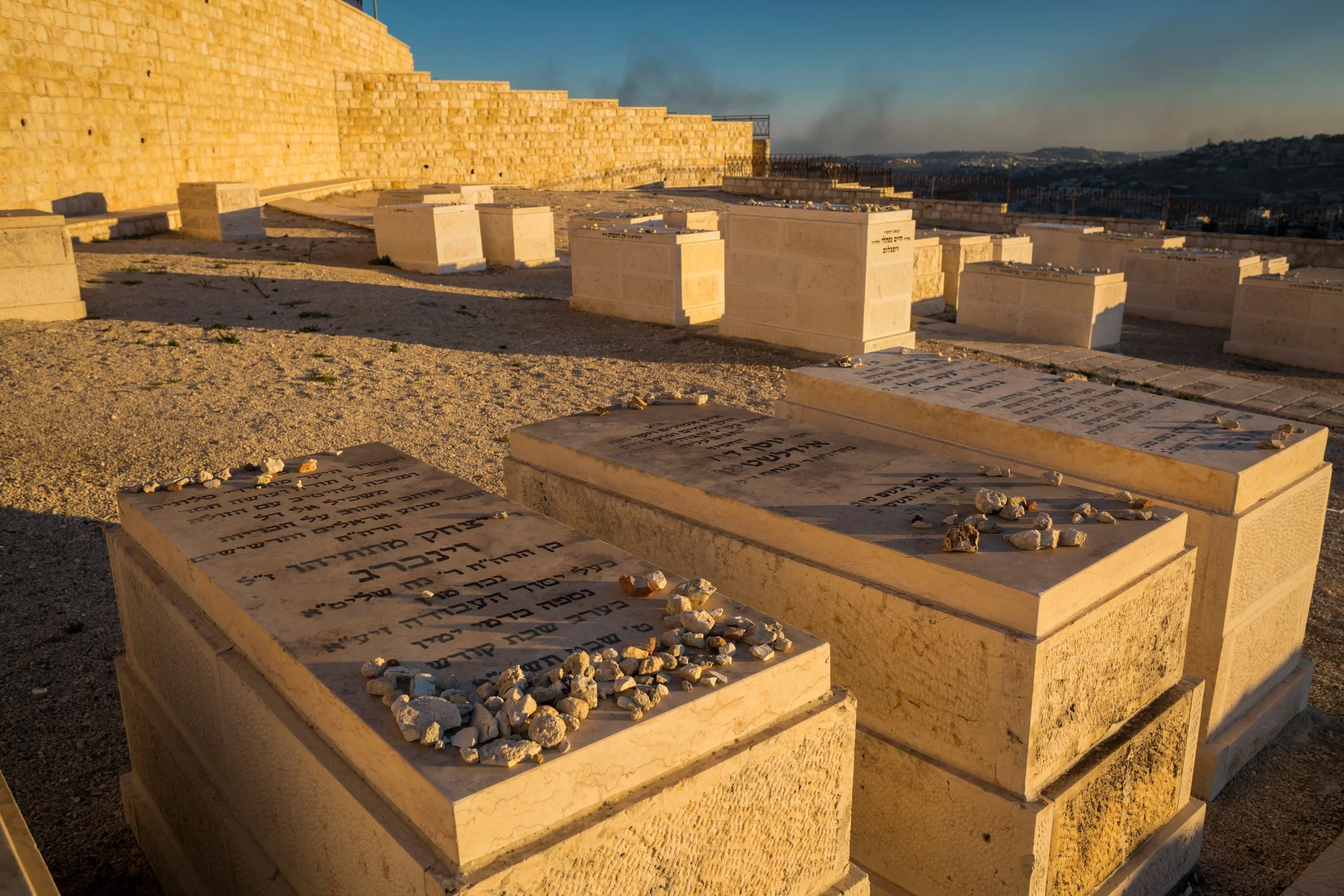
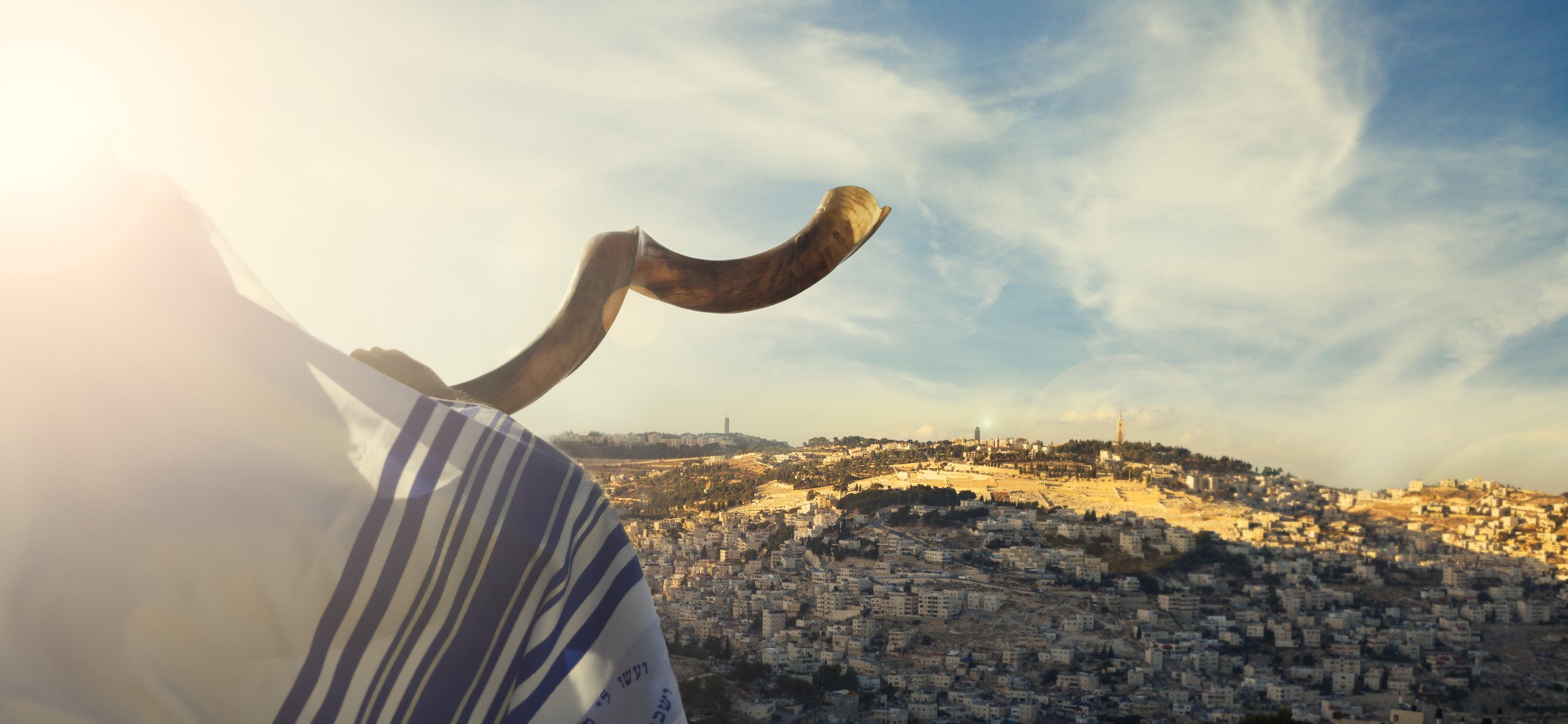
It is an undisputed tenet of Christianity that Jesus will return, and when He does, He will fully usher in the Kingdom of God. The prophet Zechariah declared: “Therefore thus says the LORD: I am returning to Jerusalem with mercy; My house shall be built in it, says the LORD of hosts, And a surveyor’s line shall be stretched out over Jerusalem” (Zechariah 1:16). At the end of His earthly ministry, Jesus ascended to Heaven from the Mount of Olives. Two angels who stood there spoke to the disciples, saying, “This same Jesus, who was taken up from you into heaven, will so come in like manner as you saw Him go into heaven” (Acts 1:11). Jesus is returning to Jerusalem in the clouds with power and great glory. Every eye will see Him, even they who pierced Him.
Christ’s Inheritance of Israel and The Nations
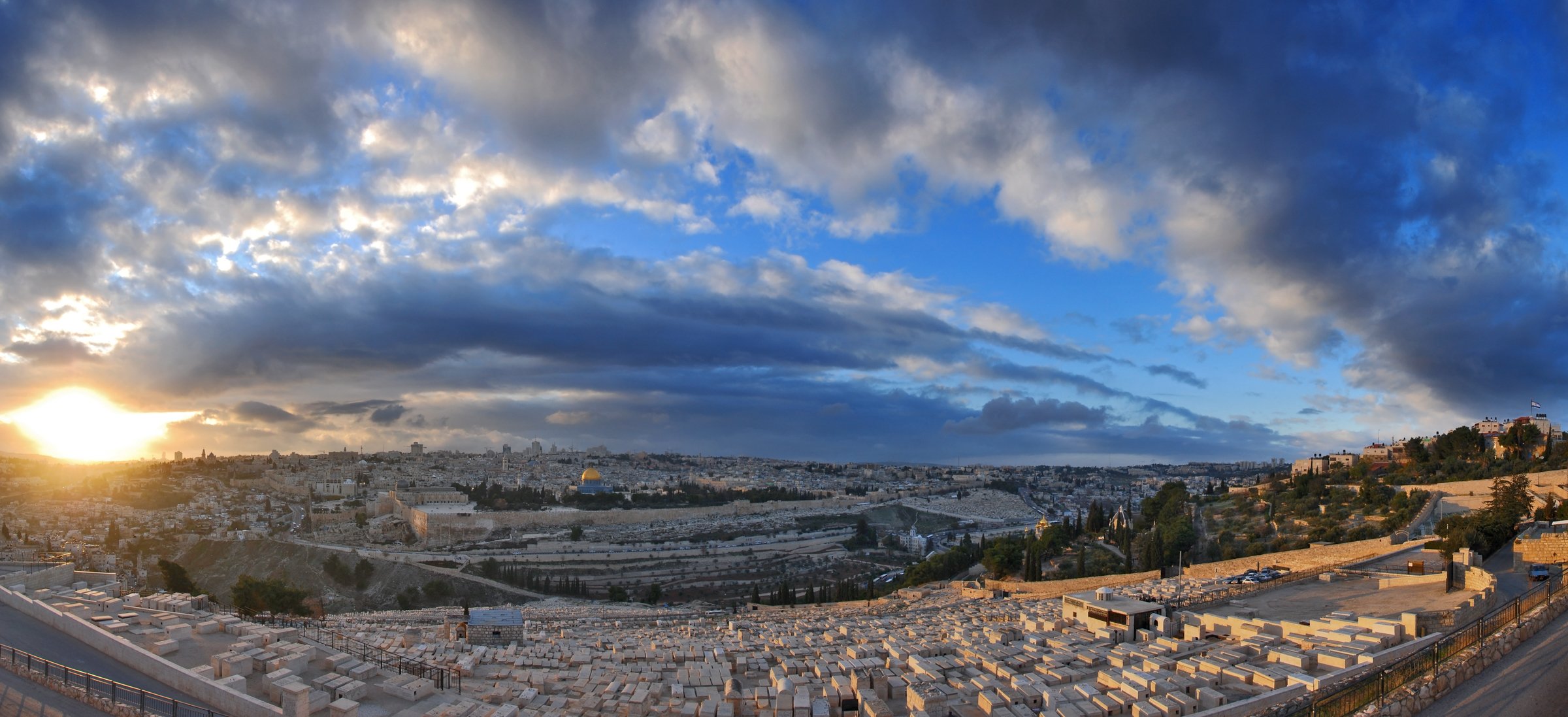
In Psalm 2, we read: “Ask of Me, and I will give You The nations for Your inheritance, And the ends of the earth for Your possession” (Psalm 2:8). It should be clear that the Father is speaking to the Son, for it says in the preceding verse, “Yet I have set My King On My holy hill of Zion. I will declare the decree: The Lord has said to Me, You are My Son, Today I have begotten You” (Psalm 2:6-7). Jesus, the Son of God, has been set upon the hill of Zion, which represents God’s Kingdom, and will physically establish His Kingdom from Mount Zion, in Jerusalem. He will take the nations for His inheritance and the ends of the earth for His possession.
Israel Will Stand Alone, Part 2: The Gathering Storm
It was in early 2019 that I wrote how I saw God’s prophetic timeline beginning to unfold for Israel—namely that Israel would become increasingly isolated and eventually stand entirely alone. This scenario, I believe, is God’s will for His covenant nation: not to trust in their own weapons or to make covenants with other nations, but to trust God fully and to know that He alone is their protector and redeemer. Ultimately, God will prove His love and faithfulness to His people and show them that He is their only Savior.
Israel, the Church, and the Transcendence of God’s Kingdom
For nearly two thousand years, the church has wrestled over its identity with Israel. I say “identity” because, if we truly knew the inheritance the church has in Christ, we would not desire anything else. Paul said, “Indeed I also count all things loss for the excellence of the knowledge of Christ Jesus my Lord” (Philippians 3:8). Our failure to understand who we are in Christ will continue to lead to confusion and immeasurable conflict. Thus, it should not be surprising that the church is becoming increasingly divided over one of the most controversial theological issues since the Council in Jerusalem—the identity of Israel and the church.
Israel—God’s Sacred Land and People
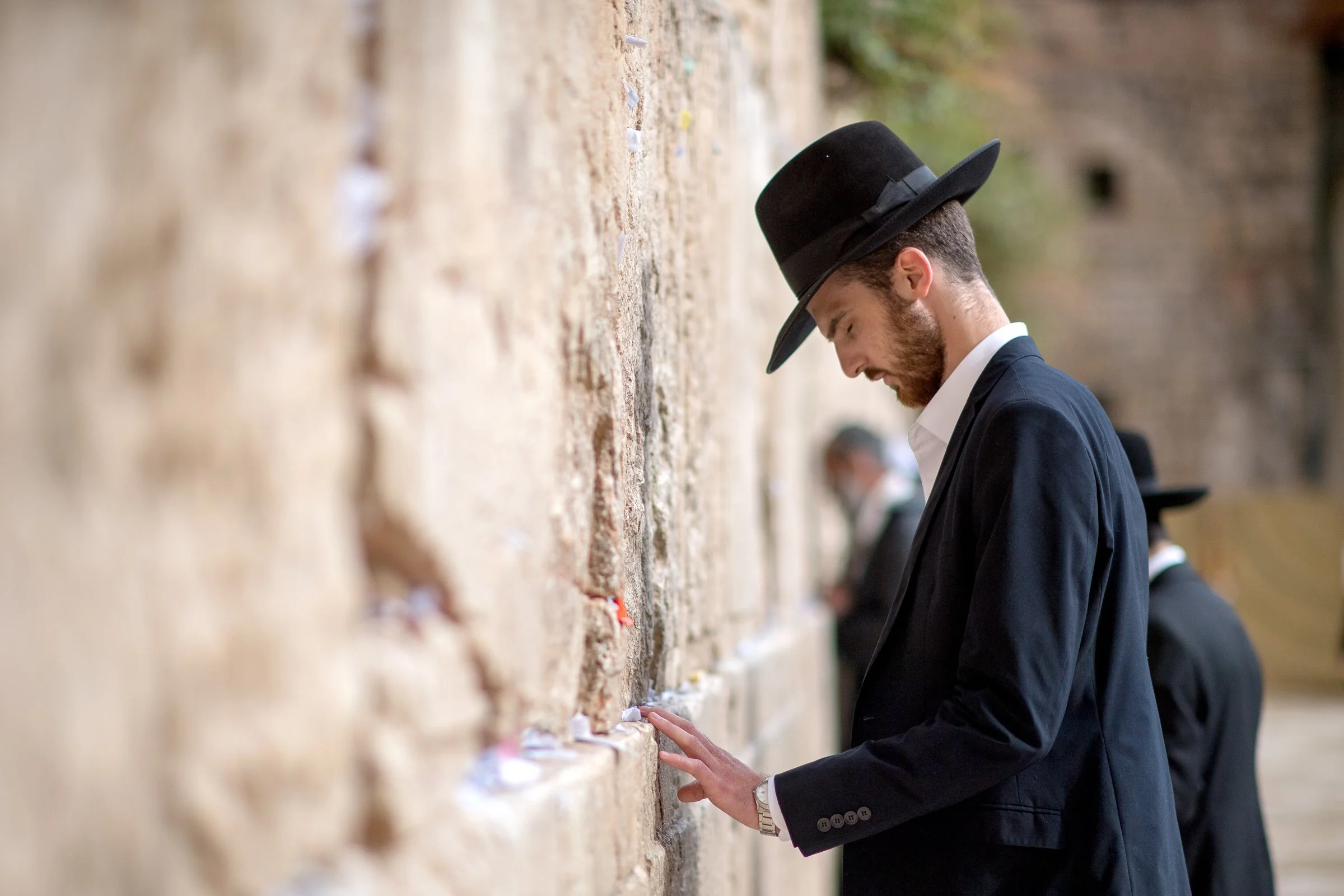
The land of Israel (Eretz Yisrael) is often referred to as the Holy Land (Eretz Hakodesh) and “our Holy Land” (Artzeinu Hakedoshah). But Israel is more than land; it is a body for the soul of a people. In Hebrew, the God of Israel is called “Holy Israel” (Kadosh Yisrael – קדוש ישראל). The Hebrew language communicates oneness. God is holy, and He is also Israel. The implication here is that Jesus, Yeshua, the Word of God revealed in the flesh, is Holy Israel, and His land and His people are inseparably one in Him. Thus, Yeshua is the physical embodiment of Israel, which is why Paul repeatedly said, “We are in Christ.”The sages affirm this by saying that God’s Kingship (His Malchut) is also His congregation of Israel (His Knesset Yisrael). They consider Israel an aspect of God, meaning that God, Israel, and His Torah (His written word) are all one.
The Millennium and The New Heaven and Earth
The return of Christ to establish His eternal Kingdom initiates an exciting time of restoration for much, but not all, of the earth. After the final battle of Armageddon, some places will never be inhabited again. We read, “It [Babylon] will never be inhabited, Nor will it be settled from generation to generation; Nor will the Arabian pitch tents there, Nor will the shepherds make their sheepfolds there” (Isaiah 13:20).
The Tribulation and God's Judgments
The Book of Daniel gives us the timeframe for the tribulation—seven years. However, Revelation provides considerable detail and specificity about what will occur during this period. Some chapters in the Book of Revelation are parenthetical, providing a broader timeframe for more detailed events. For example, Revelation chapter twelve provides an overview of Israel’s struggle with Satan for the past two thousand years, beginning with the birth of Christ and culminating in the time of Jacob’s trouble. Another example is in chapter thirteen, where we read about the rise of the Antichrist (the beast from the sea) and the false prophet (the beast from the earth). This chapter provides more detailed information about the kingdom of the Antichrist, revealed earlier in chapter six, which begins in the first year of the tribulation. Therefore, recognizing these parenthetical chapters is essential to interpreting the prophetic timeline.
The Seven-Year Tribulation
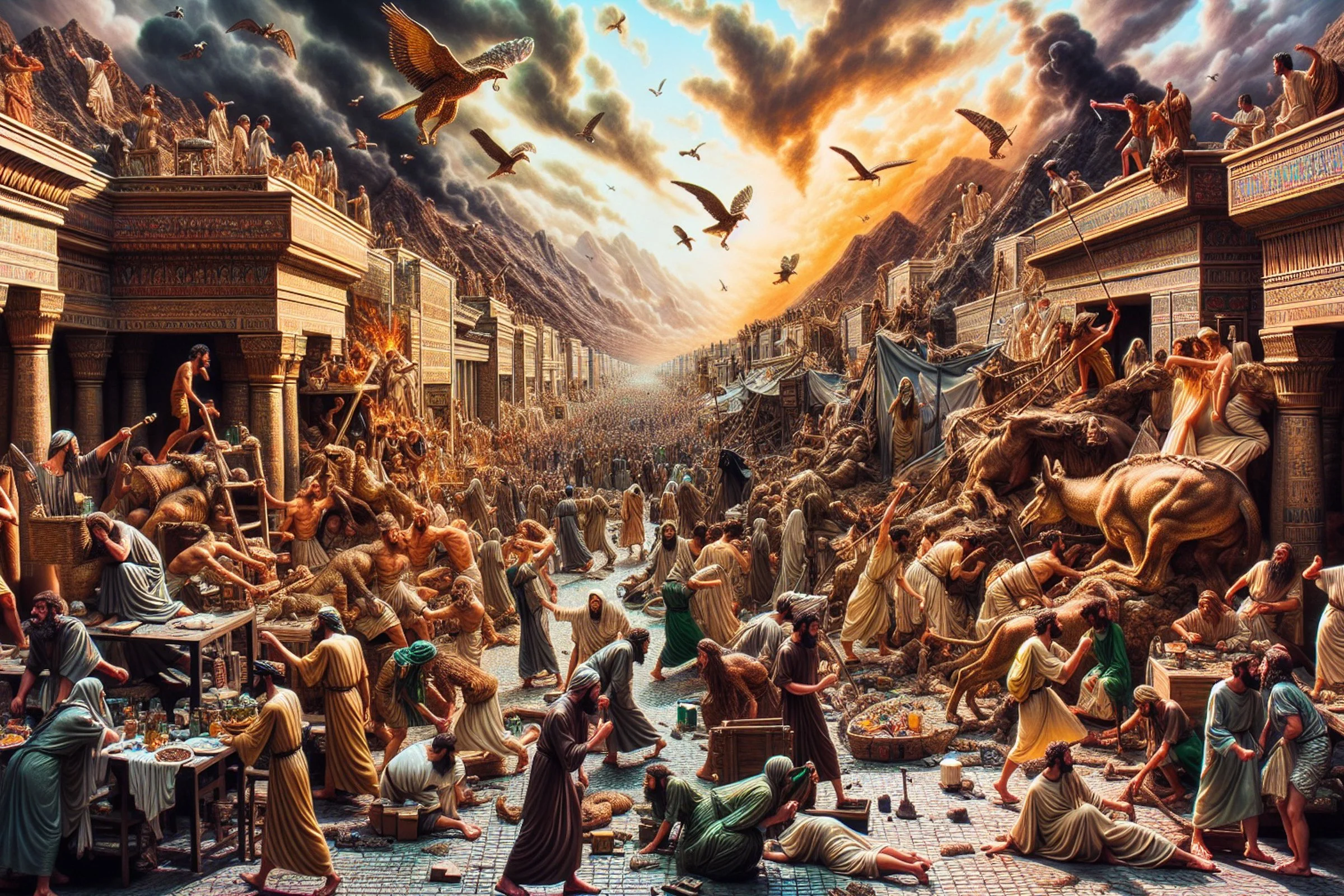
The disciples came to Jesus privately and asked: What will be the sign of Your coming, and of the end of the age? Jesus responded by quoting the prophets, saying, “Immediately after the tribulation of those days the sun will be darkened, and the moon will not give its light; the stars will fall from heaven, and the powers of the heavens will be shaken” (Matthew 24:29). Notice, He said these signs in the heavens would occur after the tribulation, not before it. The word “tribulation” is used in scripture to describe the trials and persecution of believers in this world. But it also pertains to a seven-year period of God’s final dealing with Israel’s rebellion and His judgment against the nations, culminating with the destruction of the Antichrist and the armies who follow him. God will also judge the prince of this world, Satan, and all the wicked principalities of this evil age.
The Resurrection and Rapture
The Apostle Paul said, “Behold, I tell you a mystery: We shall not all sleep, but we shall all be changed—in a moment, in the twinkling of an eye, at the last trumpet. For the trumpet will sound, and the dead will be raised incorruptible, and we shall be changed. (1 Corinthians 15:51-52); “For the Lord Himself will descend from heaven with a shout, with the voice of an archangel, and with the trumpet of God. And the dead in Christ will rise first. Then we who are alive and remain shall be caught up together with them in the clouds to meet the Lord in the air. And thus we shall always be with the Lord” (1 Thessalonians 4:16-17).
The Great Assembly
The study of the church, including its nature, ordinances, ministries, mission, and governmental structure, is called Ecclesiology. Evolving from the Scottish word kirk, the English word “church” derived from the Greek Kuriakos, meaning “belonging to the Lord.” It is found only twice in the New Testament, an adjective applied to the Lord’s supper and the Lord’s day. The frequent word ekklesia was translated into the English expression “church” that we employ in the New Testament today. Neither Kuriakos nor ekklisa were used to refer to a building or place of gathering until the Greeks, in post-Apostolic times, substituted the term kuriakos, meaning “the Lord’s House,” to designate a church building. In the New Testament, the words used for a religious place of assembly are exclusively temple or synagogue.
God's Kingdom and The Restoration of Israel
There is something profound in the Lord’s eyes for those from Abraham’s natural lineage. Paul said, “Concerning the election they are beloved for the sake of the fathers” (Romans 11:28). This verse implies that Israel is elected (chosen) by God. Chosenness is deeply misunderstood. To be chosen means to be entrusted with a role, task, or mission more significant than your small self. Chosenness infers we have meaning, destiny, and a greater purpose that is God-given rather than self-motivated. Paul said, “For so the Lord has commanded us: I have set you as a light to the Gentiles, That you should be for salvation to the ends of the earth” (Acts 13:47). Divine election carried Israel to a whole new level, and she is beloved for the sake of the fathers. When God assigned Israel her purpose, she became the fulfillment of that purpose in the form of a nation, and her irrevocable calling was and is to be a light to the Gentiles.
Reconnecting The Church to Israel
Throughout history, the church has sought to understand Israel’s place in God’s Kingdom, and the re-establishment of the state of Israel in 1948 has made this issue even more pressing. But the separation of the church from its Hebraic origins drove it into a period of great darkness. This was only exacerbated by an abyss of unbelief and skepticism caused by “the Enlightenment” (Aufklarung in Germany) that had opened in the West, culminating in self-centeredness, self-worship, and a rise in humanism during the Renaissance.