Yeshua

Israel—God’s Sacred Land and People

Israel—God’s Sacred Land and People

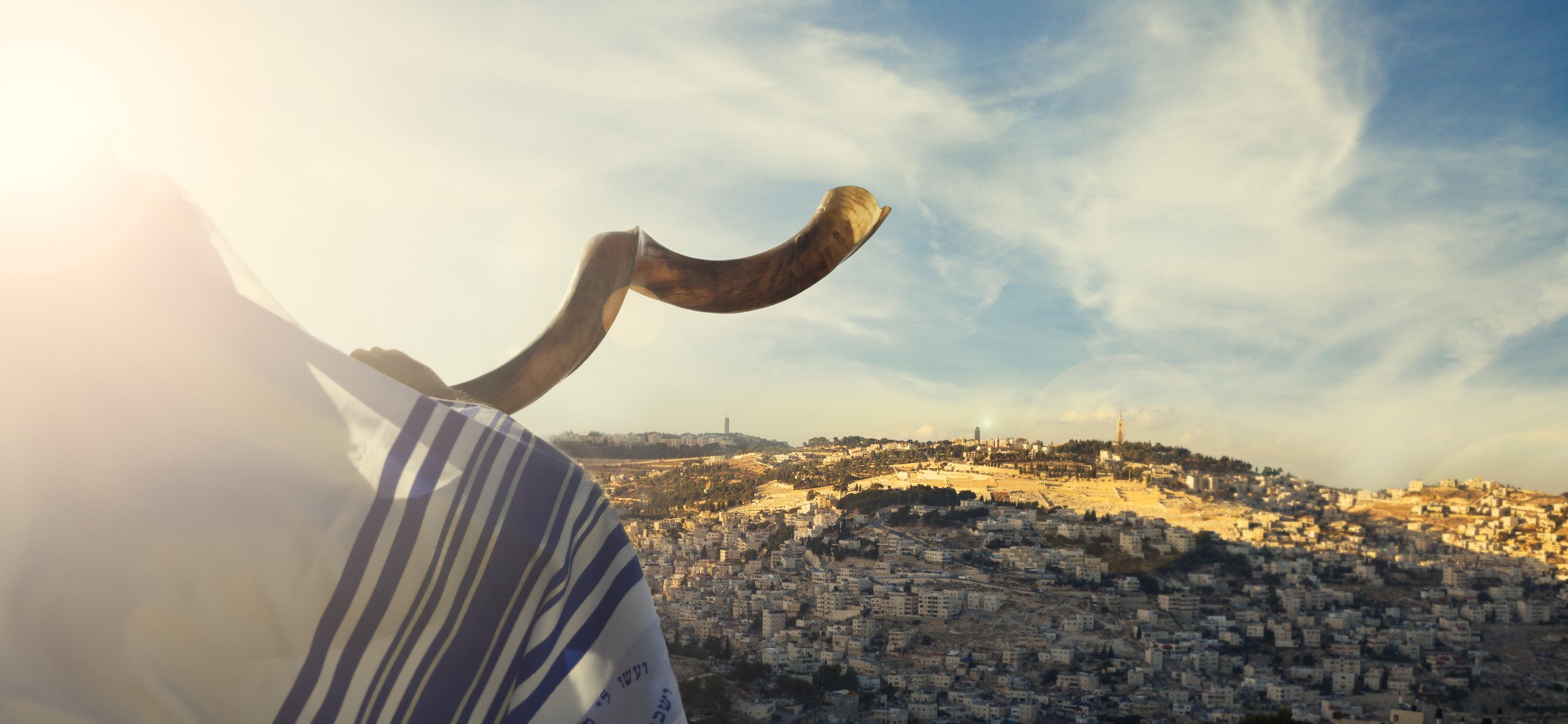
The land of Israel (Eretz Yisrael) is often referred to as the Holy Land (Eretz Hakodesh) and “our Holy Land” (Artzeinu Hakedoshah). But Israel is more than land; it is a body for the soul of a people. In Hebrew, the God of Israel is called “Holy Israel” (Kadosh Yisrael – קדוש ישראל). The Hebrew language communicates oneness. God is holy, and He is also Israel. The implication here is that Jesus, Yeshua, the Word of God revealed in the flesh, is Holy Israel, and His land and His people are inseparably one in Him. Thus, Yeshua is the physical embodiment of Israel, which is why Paul repeatedly said, “We are in Christ.”The sages affirm this by saying that God’s Kingship (His Malchut) is also His congregation of Israel (His Knesset Yisrael). They consider Israel an aspect of God, meaning that God, Israel, and His Torah (His written word) are all one.

Ordinances of The Church

Ordinances of The Church

The ordinances of the church also called sacraments, are outward rites and symbolic observances given by Jesus and are considered outward signs of the inward work of the Holy Spirit in our born-again and ongoing regenerative experience. The term “ordinance” comes from the Latin ordo, meaning “row” or “order,” and by this etymology, it also means “an authoritative decree or direction.” Sacrament originally meant “an oath of allegiance” and was taken similarly by newly enlisted soldiers.

The Mission of The Church

The Mission of The Church

The church's primary mission is to preach the Gospel, make disciples who will preach the Gospel, and make more disciples. This is the “great commission.” However, making disciples has an objective: to bring people into the Kingdom of God. The Kingdom of Heaven and the Kingdom of God are used more than one hundred times in the New Testament. The book of Matthew uses the terms “Kingdom of Heaven” and “Kingdom of God” interchangeably. The other three gospels use the term “Kingdom of God” exclusively. The Hebrew word for “heaven” is shamayim, which the Jewish people used as a circumlocution (substitute) for the name of God. So, the Kingdom of Heaven is also a reference to the Kingdom of God—they are the same.

The Nature of Sin

The Nature of Sin

There are many expressions in the Bible that define sin. Some include: missing the mark or aim, overpassing or trespassing of a line (to transgress), disobedience to a voice, falling where one should have stood upright, ignorance of what one ought to have known, diminishing of that which should have been rendered in full measure, non-observance of a law, lawless or anarchy (complete disregard for the law), and debt, failure in duty, and not meeting one’s obligation to God. The Bible also uses iniquity, godlessness, wickedness, unbelief, unrighteousness, injustice, and unholiness to define sin.

The Fruit of The Spirit

The Fruit of The Spirit

The fruit of the Spirit is the fruit of our character as we live a holy life dedicated to the Lord. It is the character of Christ produced by the Spirit of Christ within us and is the greatest treasure of the believer. We read: “The fruit of the Spirit is love, joy, peace, longsuffering, kindness, goodness, faithfulness, gentleness, self-control. Against such there is no law” (Galatians 5:22-23); “(The fruit of the Spirit is in all goodness, righteousness, and truth), finding out what is acceptable to the Lord” (Ephesians 5:9-10); “Now having been set free from sin, and having become slaves of God, you have your fruit to holiness, and the end, everlasting life” (Romans 6:22).

The Works of Christ

The Works of Christ

Jesus said: “My Father has been working until now, and I have been working” (John 5:17); “I must work the works of Him who sent Me while it is day; the night is coming when no one can work” (John 9:4). Christ’s work of salvation is evident. God Himself, in the Person of His only Son, visited the creation to redeem out of it a people for His own possession. But Christ is more than just our Savior. He is our Prophet, Priest, and King. Each of these in the Old Testament was anointed into their offices with oil, symbolic of the Holy Spirit.

The Works of God

The Works of God

Scripture is clear regarding God’s Divine purpose in the creation. He is omniscient and knows every detail of humanity and the nations from the beginning through the end. All God’s works are sovereignly governed according to His plans and purposes. As we read: “God reigns over the nations; God sits on His holy throne” (Psalm 47:8); “Declaring the end from the beginning, And from ancient times things that are not yet done, Saying, 'My counsel shall stand, And I will do all My pleasure,' Calling a bird of prey from the east, The man who executes My counsel, from a far country. Indeed I have spoken it; I will also bring it to pass. I have purposed it; I will also do it” (Isaiah 46:10-11).

Are We In The Kingdom?

Are We In The Kingdom?

Yeshua ministered throughout all Judea, Samaria, and the Galilee, saying: “Repent, for the kingdom of heaven is at hand!” (Matthew 3:2). Was He inferring that the Kingdom of God had arrived and that we are now living in it? Not exactly.

Every Kingdom Divided

Every Kingdom Divided

Yeshua said: “Every kingdom divided against itself is brought to desolation, and every city or house divided against itself will not stand. If Satan casts out Satan, he is divided against himself. How then will his kingdom stand?” (Matthew 12:25-26). Yeshua was speaking to the Jewish leaders in this verse, the Pharisees. But notice, He said, “every kingdom.” He was not just speaking of Israel.

Justice, Kindness, and Truth

Justice, Kindness, and Truth

Yeshua said: “I am the way, the truth, and the life. No one comes to the Father except through Me.” (John 14:6). Yeshua is the way to eternal life. That is clear. But what is the truth? Pontius Pilot, the governor of the Roman province of Judaea, asked Jesus the same question.