
Theology
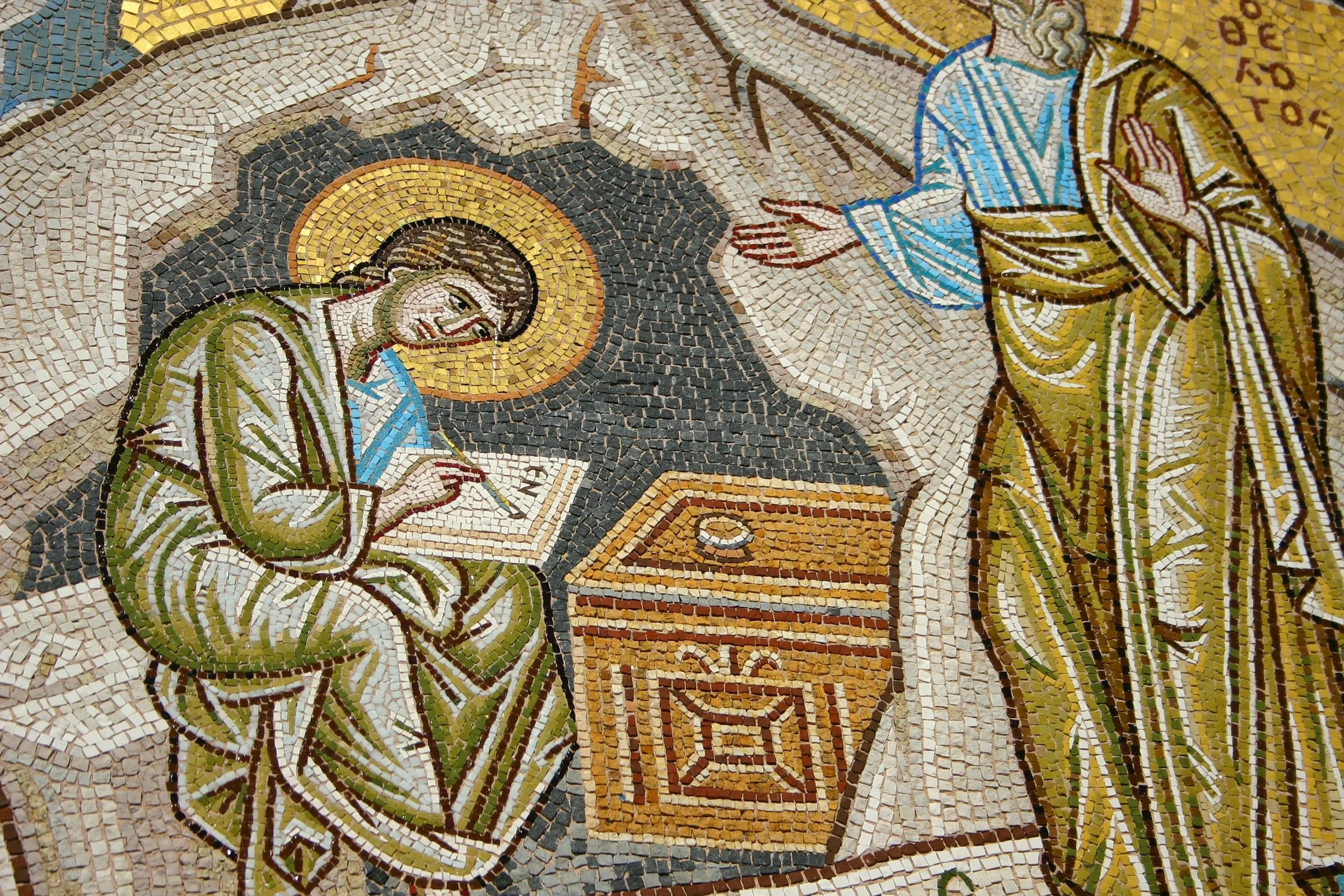
From the beginning, God has desired to make Himself known to His creation. God is Spirit and cannot be seen, and his transcendence is beyond our imagination. However, His imminence brings Him so close that He purposefully dwells within His children. Thus, He has chosen to reveal Himself both in the person of Jesus Christ, the Son of God, and the indwelling presence of the Holy Spirit. These two are one and co-equal with the Father, yet they each reveal different aspects of God.
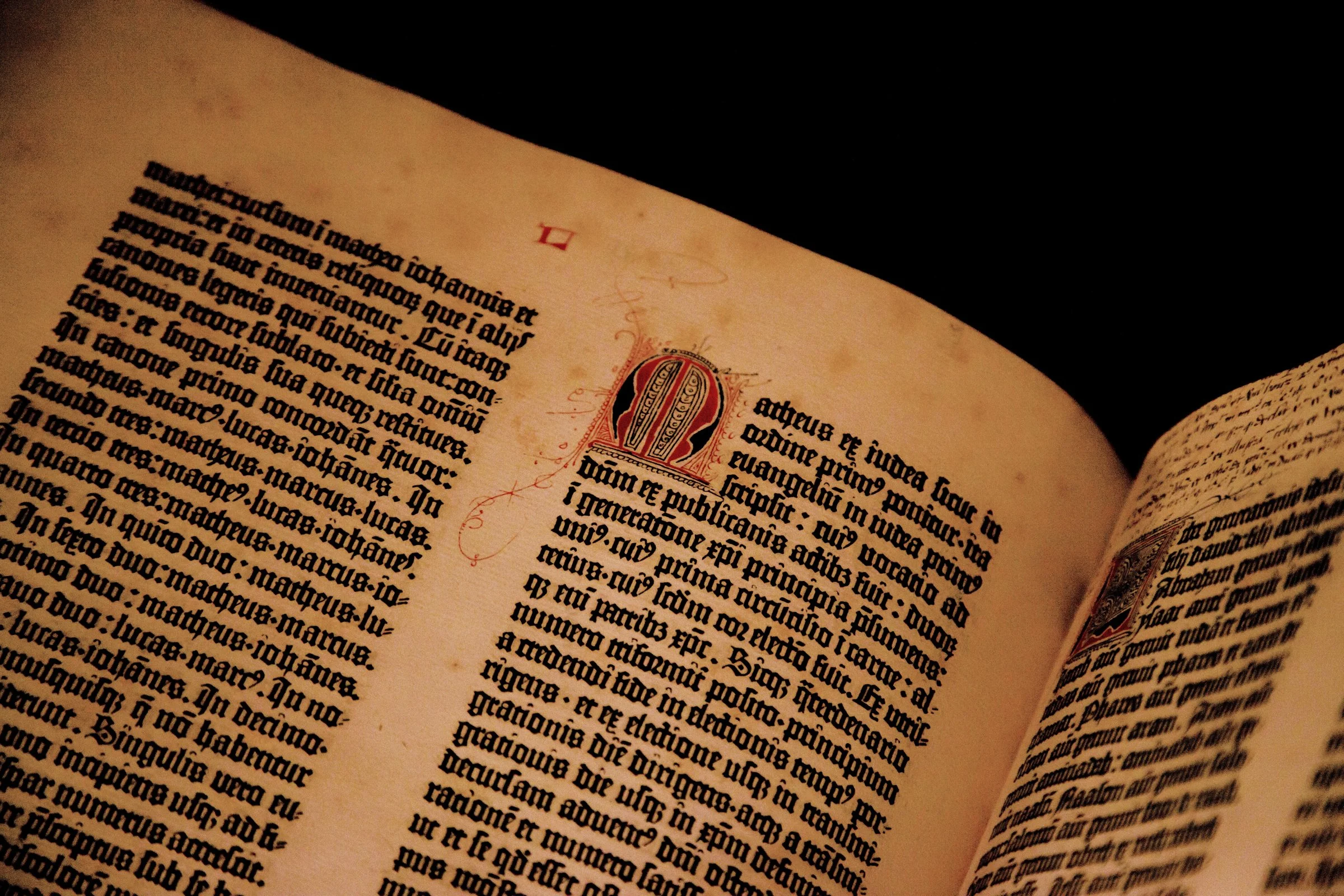
The English word for the Bible comes from the Greek biblos and biblion and means “book” and “little books.” The Bible is also called “the Scripture,” “holy writings,” “sacred writings,” “the oracles of God,” and most descriptively, “the Word of God.”
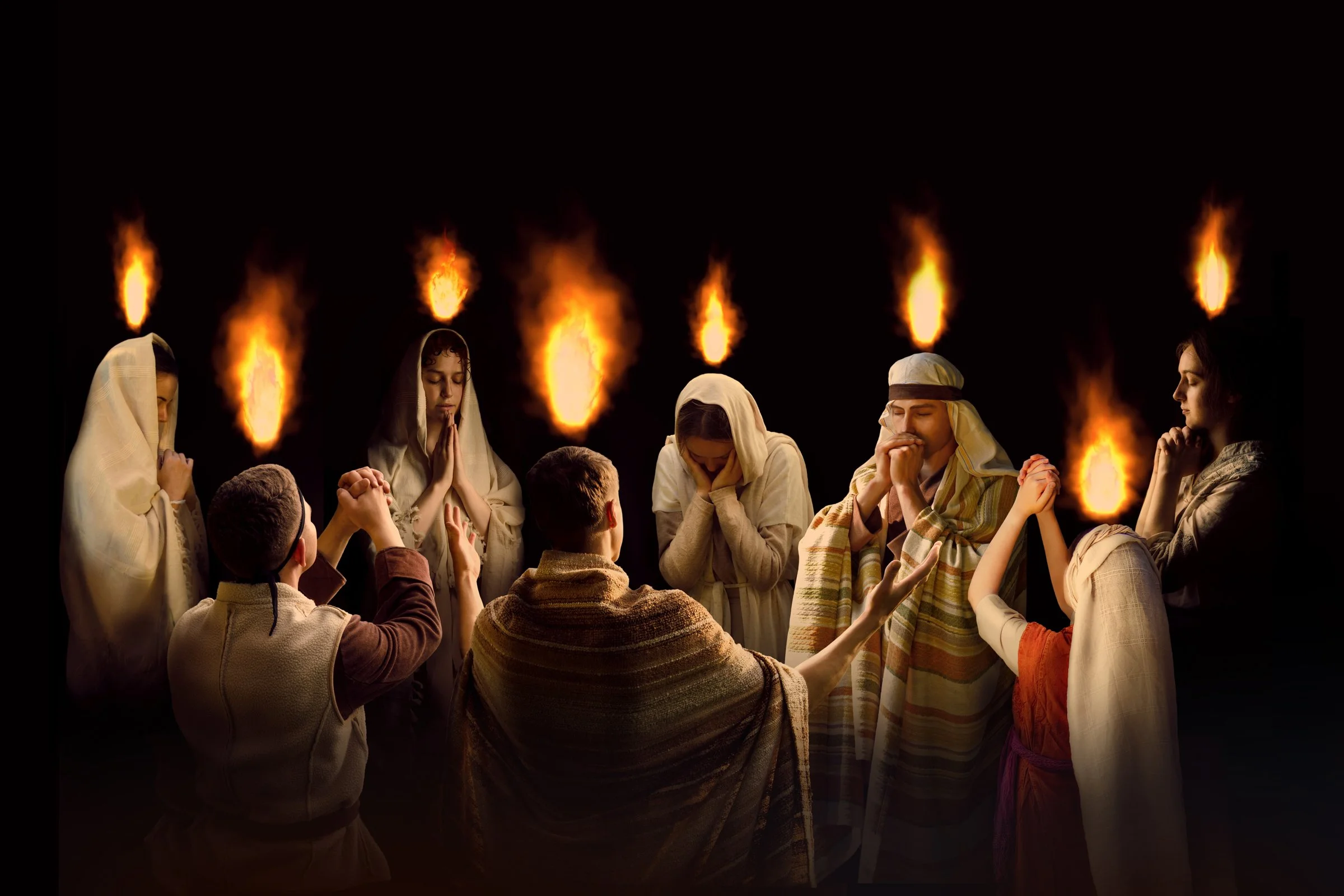
Three chapters in the New Testament are dedicated to the gifts of the Spirit, and over one hundred references to Spiritual gifts. These gifts were promised to the church, as we read: “Behold, I send the Promise of My Father upon you” (Luke 24:49). And this promise was fulfilled on the Day of Pentecost, as we read: “And they were all filled with the Holy Spirit and began to speak with other tongues, as the Spirit gave them utterance” (Acts 2:4). The ministry work of the Apostles was marked by the supernatural, and they were given divine power to perform it. Sharing the Gospel, delivering people from bondage, and guiding them in faith and repentance require the Holy Spirit.
The fruit of the Spirit is the fruit of our character as we live a holy life dedicated to the Lord. It is the character of Christ produced by the Spirit of Christ within us and is the greatest treasure of the believer. We read: “The fruit of the Spirit is love, joy, peace, longsuffering, kindness, goodness, faithfulness, gentleness, self-control. Against such there is no law” (Galatians 5:22-23); “(The fruit of the Spirit is in all goodness, righteousness, and truth), finding out what is acceptable to the Lord” (Ephesians 5:9-10); “Now having been set free from sin, and having become slaves of God, you have your fruit to holiness, and the end, everlasting life” (Romans 6:22).

After the resurrection of Jesus, He appeared to the disciples, saying, “Peace to you! As the Father has sent Me, I also send you. And when He had said this, He breathed on them, and said to them, ‘Receive the Holy Spirit’” (John 20:21-22). Fifty days later, on Pentecost (Shavuot), Jesus told His disciples: “You shall receive power when the Holy Spirit has come upon you; and you shall be witnesses to Me in Jerusalem, and in all Judea and Samaria, and to the end of the earth” (Acts 1:8). Notice the Holy Spirit came in two forms: first in peace—the fruit of the Spirit. And then in power—the baptism of the Holy Spirit.
Jesus said: “My Father has been working until now, and I have been working” (John 5:17); “I must work the works of Him who sent Me while it is day; the night is coming when no one can work” (John 9:4). Christ’s work of salvation is evident. God Himself, in the Person of His only Son, visited the creation to redeem out of it a people for His own possession. But Christ is more than just our Savior. He is our Prophet, Priest, and King. Each of these in the Old Testament was anointed into their offices with oil, symbolic of the Holy Spirit.
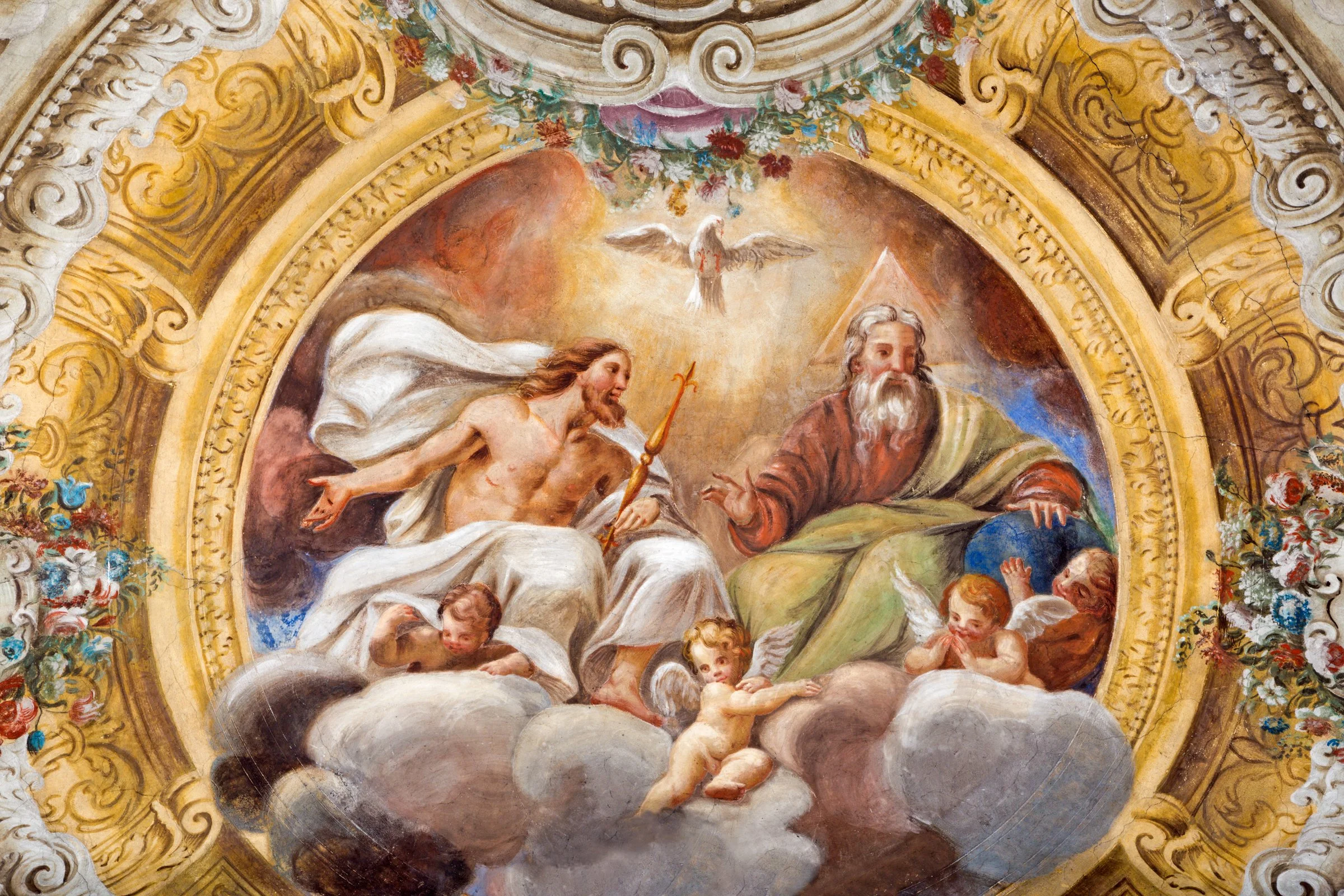
In the Old Testament, there are plural names and pronouns for God. For example, the names Elohim and Adonai or plural. Some scholars claim this plurality relates to “a plurality of majesty.” However, in Genesis, we read: “Let Us make man in Our image, according to Our likeness” (Genesis 1:26). Notice the plural pronouns. Others are found in Genesis 3:22 and 11:7. In Isaiah, we read: “I heard the voice of the Lord [Adonai], saying: Whom shall I send, and who will go for Us?” (Isaiah 6:8). This verse acknowledges the oneness and unity of God, but also incorporates God’s plurality, inferring plurality in unity.

Scripture is clear regarding God’s Divine purpose in the creation. He is omniscient and knows every detail of humanity and the nations from the beginning through the end. All God’s works are sovereignly governed according to His plans and purposes. As we read: “God reigns over the nations; God sits on His holy throne” (Psalm 47:8); “Declaring the end from the beginning, And from ancient times things that are not yet done, Saying, 'My counsel shall stand, And I will do all My pleasure,' Calling a bird of prey from the east, The man who executes My counsel, from a far country. Indeed I have spoken it; I will also bring it to pass. I have purposed it; I will also do it” (Isaiah 46:10-11).
God’s attributes include His self-existence, immutability (unchanging), eternality, omnipresence (everywhere), omniscience (all-knowing), omnipotence (unlimited), and sovereignty (all-ruling power). God’s attributes are one with and in complete unity with Him. While God is limitless, He has chosen to restrain His will, giving humanity a degree of “free will.” This is the great mystery and the seeming paradox of God’s absolute sovereignty versus His limited will.

To understand God’s nature, attributes, and works, we begin by studying the names of God. Names are so important to the Lord that He dedicated an entire chapter in the book of Exodus called Shemot (names). We read, “Now these are the names of the children of Israel who came to Egypt” (Exodus 1:1). Names have meaning, and they have power. It says, “Then God said, ‘Let there be light’; and there was light” (Genesis 1:1), for the Lord God created the universe by His spoken word. And names have authority. We read, “What a word this is! For with authority and power, He commands the unclean spirits, and they come out” (Luke 4:36).

Theology is the study of God and His relationship with the creation. In Christianity, theology takes on a specific form and system, creating the basis for studying religious Christian doctrines and matters of divinity. It may describe the study of biblical truth or represent the study of God Himself, including His existence, nature, names, attributes, and works. While theological topics have varying and seemingly conflicting opinions, the core tenants of Christian theology hold true to nearly every church and denomination.
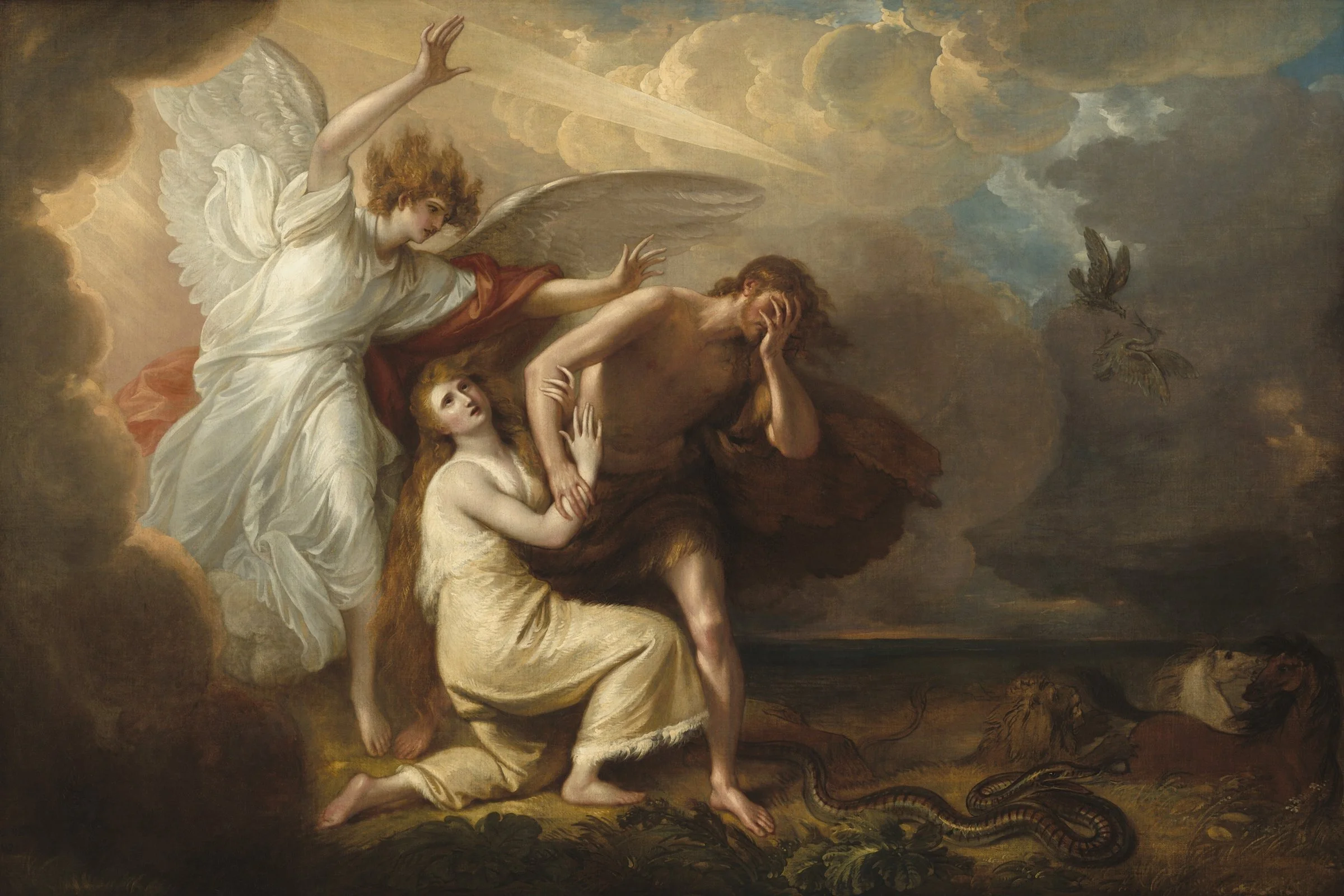
Theologians often discuss the condition of man in the Garden of Eden before the fall. God is all-knowing, so why did He place the tree of knowledge of good and evil in the garden if He foreknew that man would eat of it? It would seem that God had a purpose for this primitive condition.

The first Hebrew word in the Bible is Be-reisheet. This word signifies the very act of creation—God brought “being” into existence from “non-being,” something from nothing. In the beginning (Be-reisheet), the Lord God made all things perfect. Each living organism on earth was divinely planned and woven into the most remarkable fabric of creation, a living tapestry of God’s artwork. Every detail, carefully and methodically executed by the wisdom of God, for a creation without wisdom would be chaos.

To understand the imputation of sin, we must first recognize what is meant by “original sin,” the first sin of Adam, and the subsequent sinful nature inherited by every person because of his transgression. Our sinful nature is called depravity and consists of four things that are true of every man and woman ever born:
We are void of original righteousness.
We do not possess any holy affection toward God.
The depraved nature is within our hearts.
We have a continuous bias towards rebellion and evil.

There are many expressions in the Bible that define sin. Some include: missing the mark or aim, overpassing or trespassing of a line (to transgress), disobedience to a voice, falling where one should have stood upright, ignorance of what one ought to have known, diminishing of that which should have been rendered in full measure, non-observance of a law, lawless or anarchy (complete disregard for the law), and debt, failure in duty, and not meeting one’s obligation to God. The Bible also uses iniquity, godlessness, wickedness, unbelief, unrighteousness, injustice, and unholiness to define sin.

The Greek word for sin is hamartia, and the word for knowledge is ology. Therefore, hamartiology is the knowledge of the doctrine of sin. The scriptures speak continuously of the presence and reality of sin in the world. From Adam’s first sin through the final chapters of Revelation, God speaks of man’s sin and sinful nature. In the Old Testament, we read: “For there is not a just man on earth who does good And does not sin” (Ecclesiastes 7:20). Paul said, “THERE IS NONE RIGHTEOUS, NO, NOT ONE” (Romans 3:10); “For all have sinned and fall short of the glory of God” (Romans 3:23).

The assurance and security of the believer are essential to understand, and there are widely varying theological positions on the issue. But the assurance of our salvation provides the foundation and stability to our lives, removing doubt and uncertainty and deepening our faith and trust in the Lord. It enables us to enjoy an uplifting and rewarding prayer life, again trusting Him no matter what the current circumstances look like because we have an eternal promise of salvation. It gives us power over the fallen nature, temptations of the flesh, and the spirits of darkness that work against us, knowing that our lives are hidden with God in Christ. And it provides us with the strength to share our testimony of salvation and influence others with the Gospel, even in the face of adversity and persecution.

Several aspects of sanctification are important to Christians. The primary meaning, which occurs at the moment of our salvation, is the dedication, consecration, and setting apart of the Christian for the holy work of God. And the secondary meaning of sanctification is the cleansing and purging of all moral defilement, which is an ongoing, progressive experience for the believer. Lastly, the complete and final sanctification occurs when Jesus returns, and we are delivered from our old sinful nature into a resurrected eternal, incorruptible body.

Adoption as a doctrine is not frequently discussed but is important for the believer to understand. The scriptures speak of adoption as both a present and future condition of the believer, the future inferring the return of Christ and our resurrection. Paul said, “We also who have the firstfruits of the Spirit, even we ourselves groan within ourselves, eagerly waiting for the adoption, the redemption of our body” (Romans 8:23); “Having predestined us to adoption as sons by Jesus Christ to Himself, according to the good pleasure of His will” (Ephesians 1:5).

One of the most critical verses we find in scripture is in Jesus’ conversation with Nicodemus. Jesus told him, “Most assuredly, I say to you, unless one is born again, he cannot see the kingdom of God” (John 3:3). Being born again is undeniably essential for our salvation. But what exactly is our new birth?

Justification and regeneration are closely related doctrines. Regeneration occurs in believers' hearts when they receive Christ and become “born again.” It refers to an impartation of life and is God’s answer to the problem of sin and spiritual death. In comparison, justification by faith is the foundational truth of God’s provision of salvation. Justification is often misunderstood but is one of the profound truths of God’s salvific plan restored to the church from the Protestant Reformation.

Our salvation requires faith, and Jesus was looking for it when He came to the Jewish people. Jesus told His disciples: “When the Son of Man comes, will He really find faith on the earth?” (Luke 18:8).
But Paul said: “For by grace you have been saved through faith, and that not of yourselves; it is the gift of God” (Ephesians 2:8). From his words, we are not saved by faith. Instead, God’s grace saves us through faith. But even our faith is a gift from God lest we erroneously believe that somehow, we can save ourselves from our dead nature caused by sin. No, we were dead in trespasses, and dead people are neither aware nor capable of making themselves alive through faith. Only God can save us by His grace and the faith He has given us so we might choose Him. As we read, “God has dealt to each one a measure of faith” (Romans 12:3).
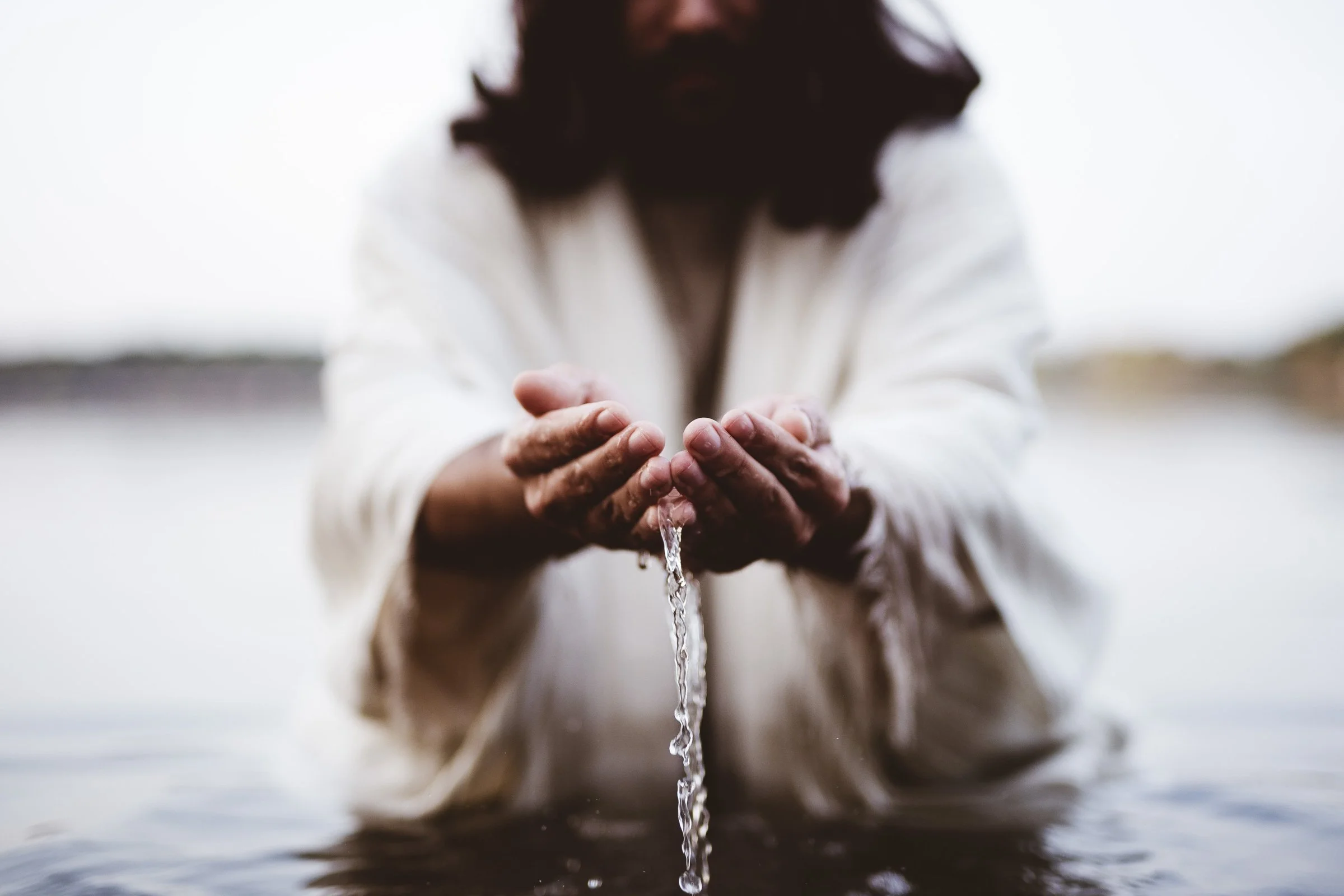
Christ's death, burial, resurrection, and ascension reveal many purposes in God’s unfolding restoration of humanity and His creation. God entered this world in the likeness of human flesh and the person of the Holy Spirit to bring about man’s complete rebirth and transformation. God’s provisions for us include election, repentance, faith, justification, regeneration, adoption, sanctification, assurance, and security. Christ is Lord and King over all, but without royal subjects to govern, there is no King, and there can be no Kingdom.
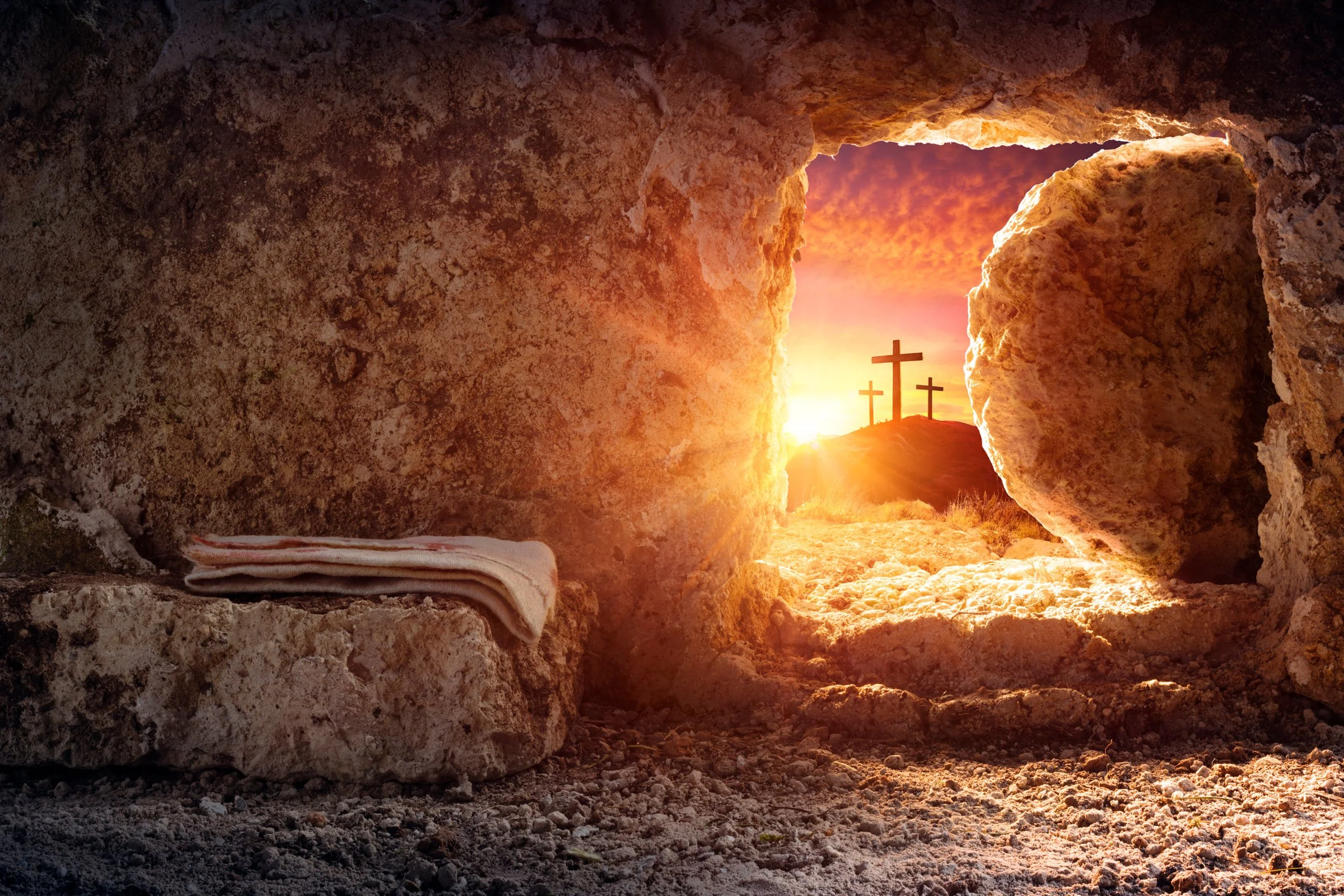
The idea of a bodily resurrection is a longstanding belief in Judaism, and there are multiple accounts in the Old and New Testaments. Elijah raised the son of Zarephath and the son of the Shunammite woman. Later, a man rose from the dead when his body touched Elisha’s bones. Jesus raised the son of the widow of Nain, the daughter of Jairus, and Lazarus from the dead. And in the Book of Acts, we read that Paul raised Eutychus from the dead. Even in recent history, we have heard stories of people who died and came back to life.

The word “salvation” in Greek, Soteriology, is derived from two Greek words, Soteria, meaning salvation, and logos, meaning “word, discourse, or doctrine.” Having studied the infinite holy nature of God and the fallen, depraved nature of man, only God could bridge the gap between Himself and His creation. As Jesus said, “With men this is impossible, but with God all things are possible” (Mathew 19:26).

There is something profound in the Lord’s eyes for those from Abraham’s natural lineage. Paul said, “Concerning the election they are beloved for the sake of the fathers” (Romans 11:28). This verse implies that Israel is elected (chosen) by God. Chosenness is deeply misunderstood. To be chosen means to be entrusted with a role, task, or mission more significant than your small self. Chosenness infers we have meaning, destiny, and a greater purpose that is God-given rather than self-motivated. Paul said, “For so the Lord has commanded us: I have set you as a light to the Gentiles, That you should be for salvation to the ends of the earth” (Acts 13:47). Divine election carried Israel to a whole new level, and she is beloved for the sake of the fathers. When God assigned Israel her purpose, she became the fulfillment of that purpose in the form of a nation, and her irrevocable calling was and is to be a light to the Gentiles.

Throughout history, the church has sought to understand Israel’s place in God’s Kingdom, and the re-establishment of the state of Israel in 1948 has made this issue even more pressing. But the separation of the church from its Hebraic origins drove it into a period of great darkness. This was only exacerbated by an abyss of unbelief and skepticism caused by “the Enlightenment” (Aufklarung in Germany) that had opened in the West, culminating in self-centeredness, self-worship, and a rise in humanism during the Renaissance.

God’s first and only covenant nation is Israel, and He called them His “firstborn son.” And Israel is the only nation He sovereignly chose to reveal Himself to, not a giant and mighty nation, but so insignificant they appeared to be nothing more than a small, powerless family. It says, “You only have I known of all the families of the earth” (Amos 3:2); “The Lord did not set His love on you nor choose you because you were more in number than any other people, for you were the least of all peoples” (Deuteronomy 7:7).

It can be said that Israel’s origins begin with Abraham, the father faith, as Paul, “It is of faith that it might be according to grace, so that the promise might be sure to all the seed, not only to those who are of the law, but also to those who are of the faith of Abraham, who is the father of us all” (Romans 4:16). God desired that Abram become a source of blessing to the whole world, setting before him a moral imperative to obey His commandment to leave everything of this world behind. Nearly two thousand years before the Advent of Christ, the Lord God made a covenant with Abraham, promising to make of him a great nation and a company of nations: “I will make you a great nation; I will bless you and make your name great; and you shall be a blessing. I will bless those who bless you, and I will curse him who curses you; and in you all the families of the earth shall be blessed” (Genesis 12:2-3).

The ordinances of the church also called sacraments, are outward rites and symbolic observances given by Jesus and are considered outward signs of the inward work of the Holy Spirit in our born-again and ongoing regenerative experience. The term “ordinance” comes from the Latin ordo, meaning “row” or “order,” and by this etymology, it also means “an authoritative decree or direction.” Sacrament originally meant “an oath of allegiance” and was taken similarly by newly enlisted soldiers.

The church's primary mission is to preach the Gospel, make disciples who will preach the Gospel, and make more disciples. This is the “great commission.” However, making disciples has an objective: to bring people into the Kingdom of God. The Kingdom of Heaven and the Kingdom of God are used more than one hundred times in the New Testament. The book of Matthew uses the terms “Kingdom of Heaven” and “Kingdom of God” interchangeably. The other three gospels use the term “Kingdom of God” exclusively. The Hebrew word for “heaven” is shamayim, which the Jewish people used as a circumlocution (substitute) for the name of God. So, the Kingdom of Heaven is also a reference to the Kingdom of God—they are the same.

There has recently been a resurgence in the study of the early church, comparing it to how the church is structured and organized today. However, early Christians did not have denominations, documented theology, or church buildings. The New Testament would not be entirely written for almost a century or canonized for another four hundred years. During the first three centuries, Christians gathered in homes, and many remained connected with their synagogues and assembled at the Temple in Jerusalem before it was destroyed.
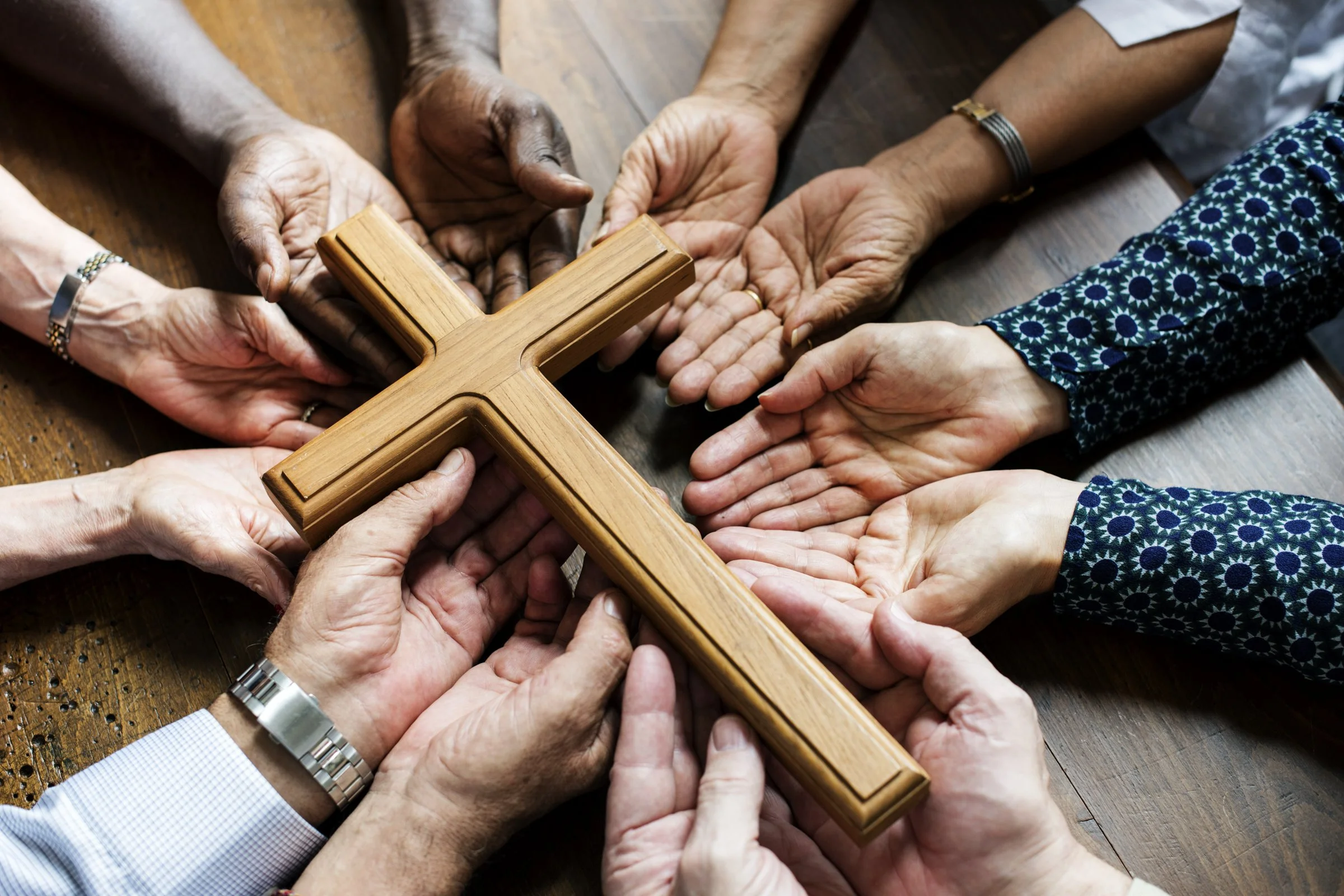
The church is not an organization, although it requires structure and leadership. The church is a living organism, a living being whose divine life is fueled by the indwelling Spirit of Christ. After the resurrection, Jesus ascended to the right hand of His Heavenly Father. Still, in a real tangible sense, He is continually manifested in the world through His body and, by which He fulfills His early mission. We read, “So then, after the Lord had spoken to them, He was received up into heaven, and sat down at the right hand of God. And they went out and preached everywhere, the Lord working with them and confirming the word through the accompanying signs. Amen” (Mark 16:19-20).
The study of the church, including its nature, ordinances, ministries, mission, and governmental structure, is called Ecclesiology. Evolving from the Scottish word kirk, the English word “church” derived from the Greek Kuriakos, meaning “belonging to the Lord.” It is found only twice in the New Testament, an adjective applied to the Lord’s supper and the Lord’s day. The frequent word ekklesia was translated into the English expression “church” that we employ in the New Testament today. Neither Kuriakos nor ekklisa were used to refer to a building or place of gathering until the Greeks, in post-Apostolic times, substituted the term kuriakos, meaning “the Lord’s House,” to designate a church building. In the New Testament, the words used for a religious place of assembly are exclusively temple or synagogue.

The reference to demons occurs frequently in the Bible. Jesus recognized their existence, as did the seventy disciples He sent out and the Apostle Paul. As believers, we are admonished to always focus on the Lord and never give the hosts of darkness any meaningful prominence in our lives. We rejoice in God’s victory, believing in His triumph over the demons. However, ignoring them is foolish, and they should be respected for their power but never feared. Angels are referenced more than three times as often as demons. So, let us always remember the words of Elisha: “Do not fear, for those who are with us are more than those who are with them… Lord, I pray, open his eyes that he may see” (2 Kings 6:16-17).

We begin with the Cherubim and Seraphim angels, their ministry to God, and the Tabernacle of Moses. Cherubim first appeared at the Garden of Eden entrance and later in constructing the Tabernacle and the Ark of the Covenant. Inferring a correlation to the Garden of Eden, Cherubim were woven into the inner veil that separated the holy of holies. Our Sages wrote that Cherub angels have a child-like appearance, hence their portrayal in Christian art as babies with wings. Ezekiel refers to them nineteen times, with many believing they are synonymous with the four living creatures described in Revelation. In his vision, he saw four Cherubim angels in the midst and around the throne of God, ministering to the Lord.
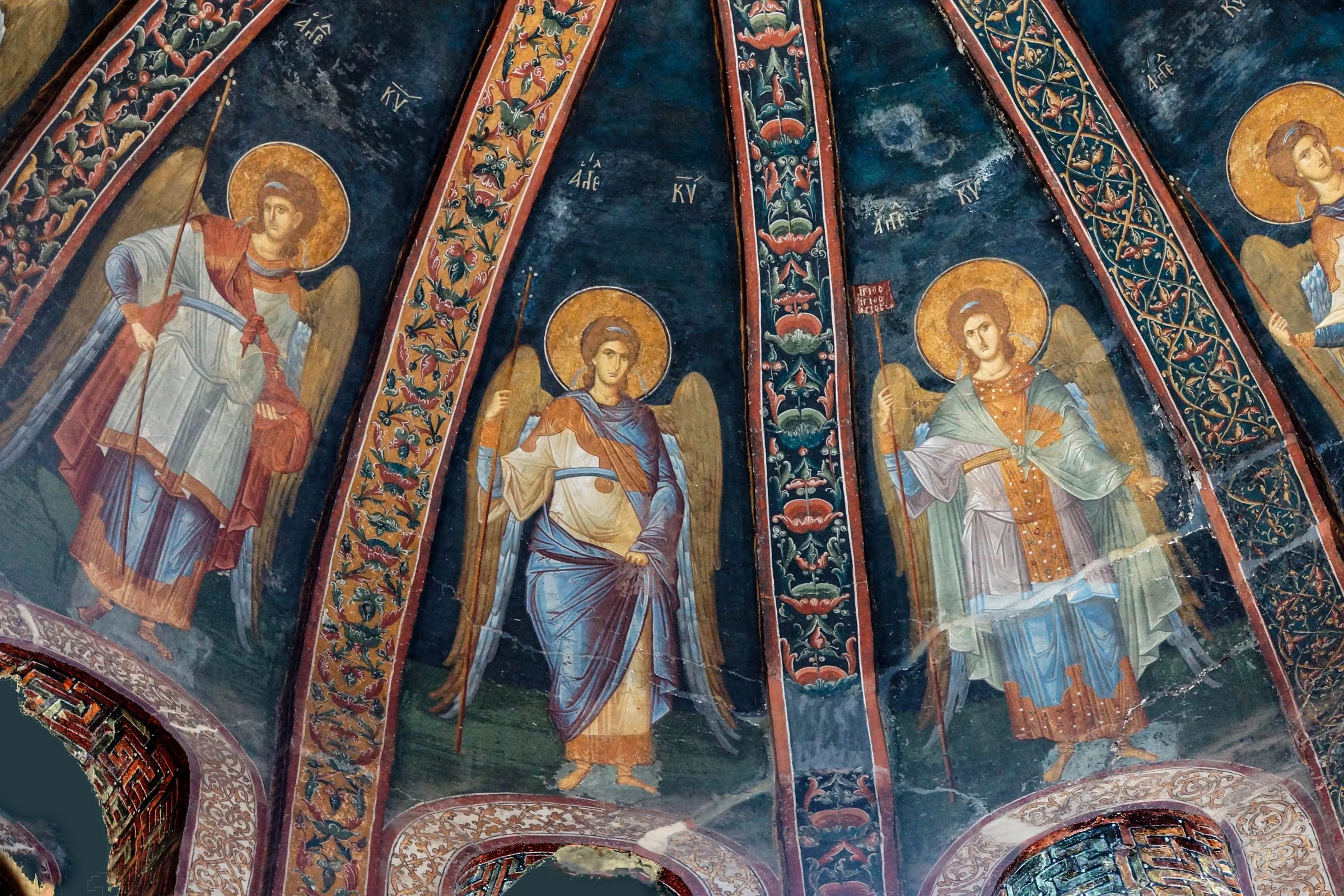
The Bible opens with God’s declaration of His creation of the heavens and the earth: “In the beginning God created the heavens and the earth” (Genesis 1:1). The verse tells us that from the beginning, God created two worlds: the physical universe and the unseen heavenly or spiritual realm. Even though invisible, we must never forget that this spiritual realm is created, and within it are the spiritual beings that inhabit this domain—the angels.
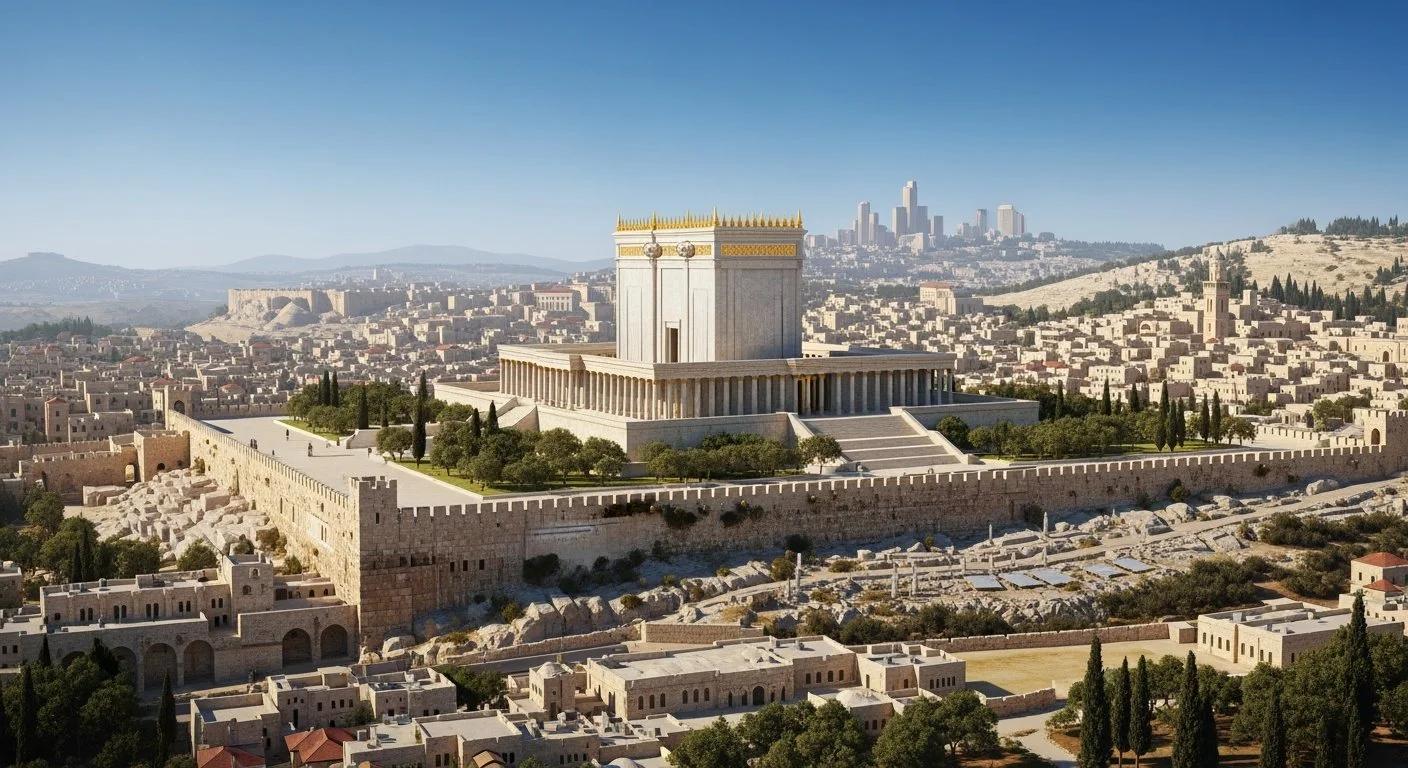
The return of Christ to establish His eternal Kingdom initiates an exciting time of restoration for much, but not all, of the earth. After the final battle of Armageddon, some places will never be inhabited again. We read, “It [Babylon] will never be inhabited, Nor will it be settled from generation to generation; Nor will the Arabian pitch tents there, Nor will the shepherds make their sheepfolds there” (Isaiah 13:20).
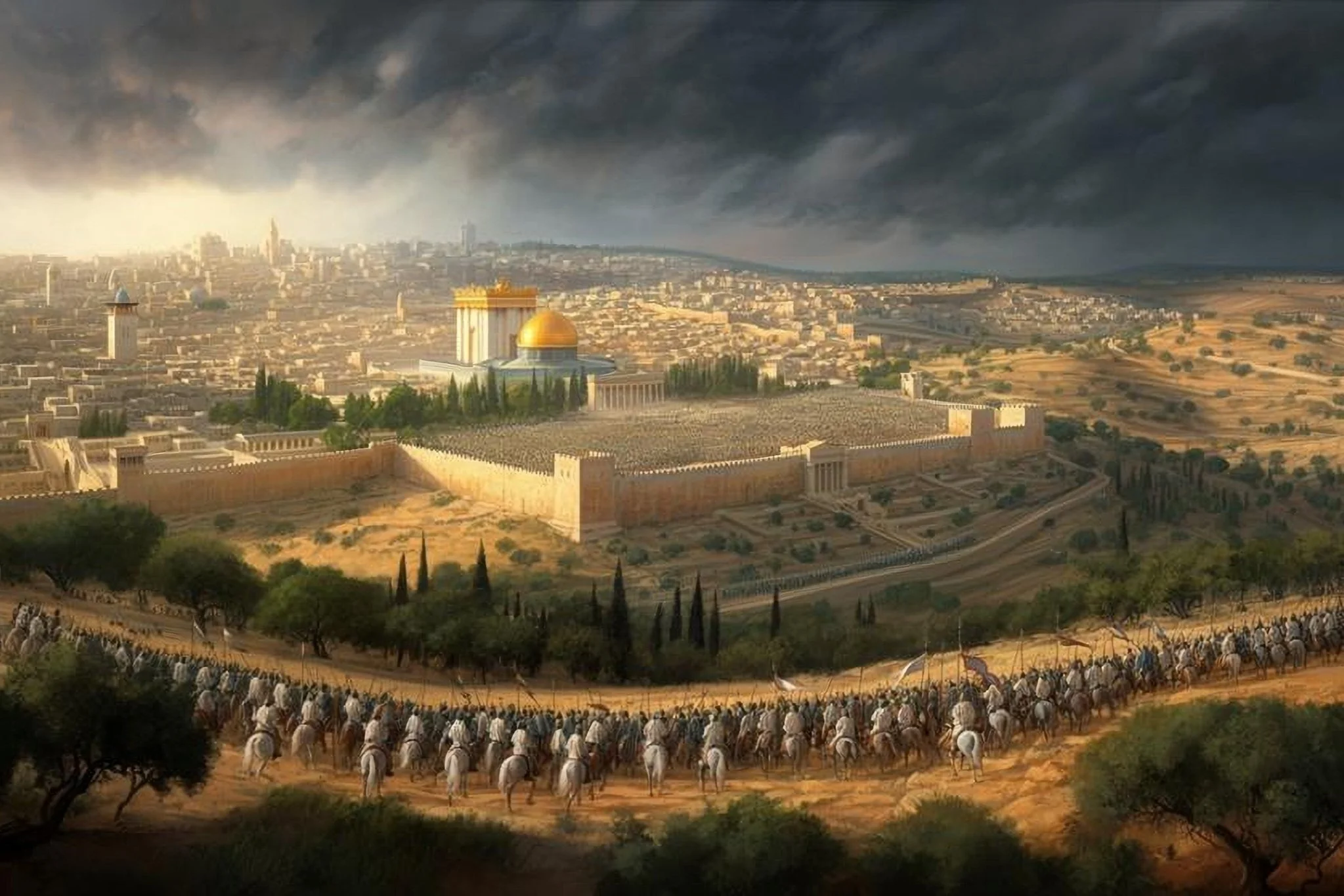
God’s judgments are punitive, but they are also redemptive, particularly for Israel. We read, “The Lord is not slack concerning His promise, as some count slackness, but is longsuffering toward us, not willing that any should perish but that all should come to repentance” (2 Peter 3:9); “For I am with you,’ says the Lord, ‘to save you; Though I make a full end of all nations where I have scattered you, Yet I will not make a complete end of you. But I will correct you in justice, And will not let you go altogether unpunished” (Jeremiah 30:11).
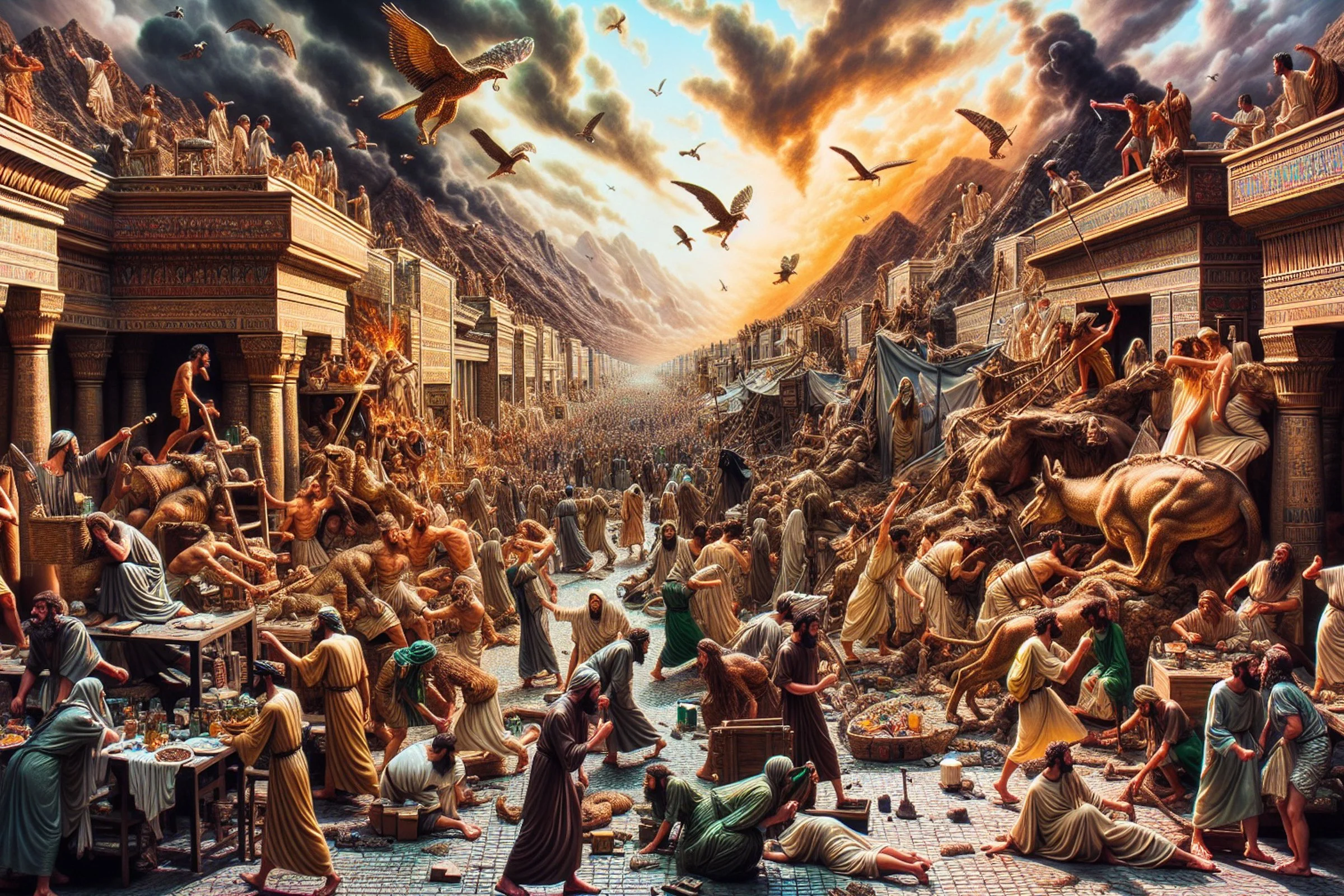
The Book of Daniel gives us the timeframe for the tribulation—seven years. However, Revelation provides considerable detail and specificity about what will occur during this period. Some chapters in the Book of Revelation are parenthetical, providing a broader timeframe for more detailed events. For example, Revelation chapter twelve provides an overview of Israel’s struggle with Satan for the past two thousand years, beginning with the birth of Christ and culminating in the time of Jacob’s trouble. Another example is in chapter thirteen, where we read about the rise of the Antichrist (the beast from the sea) and the false prophet (the beast from the earth). This chapter provides more detailed information about the kingdom of the Antichrist, revealed earlier in chapter six, which begins in the first year of the tribulation. Therefore, recognizing these parenthetical chapters is essential to interpreting the prophetic timeline.

The seventieth week of Daniel is divided into two periods of three and one-half years.[i] We can associate eschatological prophecies from this mid-point with explicit signs of the seven-year tribulation called out in Revelation. We read, “Then he shall confirm a covenant with many for one week; But in the middle of the week He shall bring an end to sacrifice and offering. And on the wing of abominations shall be one who makes desolate, Even until the consummation, which is determined, Is poured out on the desolate” (Daniel 9:27).

The Thessalonian church believed the tribulation had already begun, and considering the immense persecution they were experiencing, it is not surprising they thought so. However, Paul corrected them, saying, “Let no one deceive you by any means; for that Day will not come unless the falling away comes first, and the man of sin is revealed, the son of perdition” (2 Thessalonians 2:3). The man of sin is also called “the lawless one.” Jesus said, “Because lawlessness will abound, the love of many will grow cold” (Matthew 24:12). While the world has seemingly been increasing in lawlessness, Jesus also said, “And this gospel of the kingdom will be preached in all the world as a witness to all the nations, and then the end will come” (Matthew 24:14).

The disciples came to Jesus privately and asked: What will be the sign of Your coming, and of the end of the age? Jesus responded by quoting the prophets, saying, “Immediately after the tribulation of those days the sun will be darkened, and the moon will not give its light; the stars will fall from heaven, and the powers of the heavens will be shaken” (Matthew 24:29). Notice, He said these signs in the heavens would occur after the tribulation, not before it. The word “tribulation” is used in scripture to describe the trials and persecution of believers in this world. But it also pertains to a seven-year period of God’s final dealing with Israel’s rebellion and His judgment against the nations, culminating with the destruction of the Antichrist and the armies who follow him. God will also judge the prince of this world, Satan, and all the wicked principalities of this evil age.
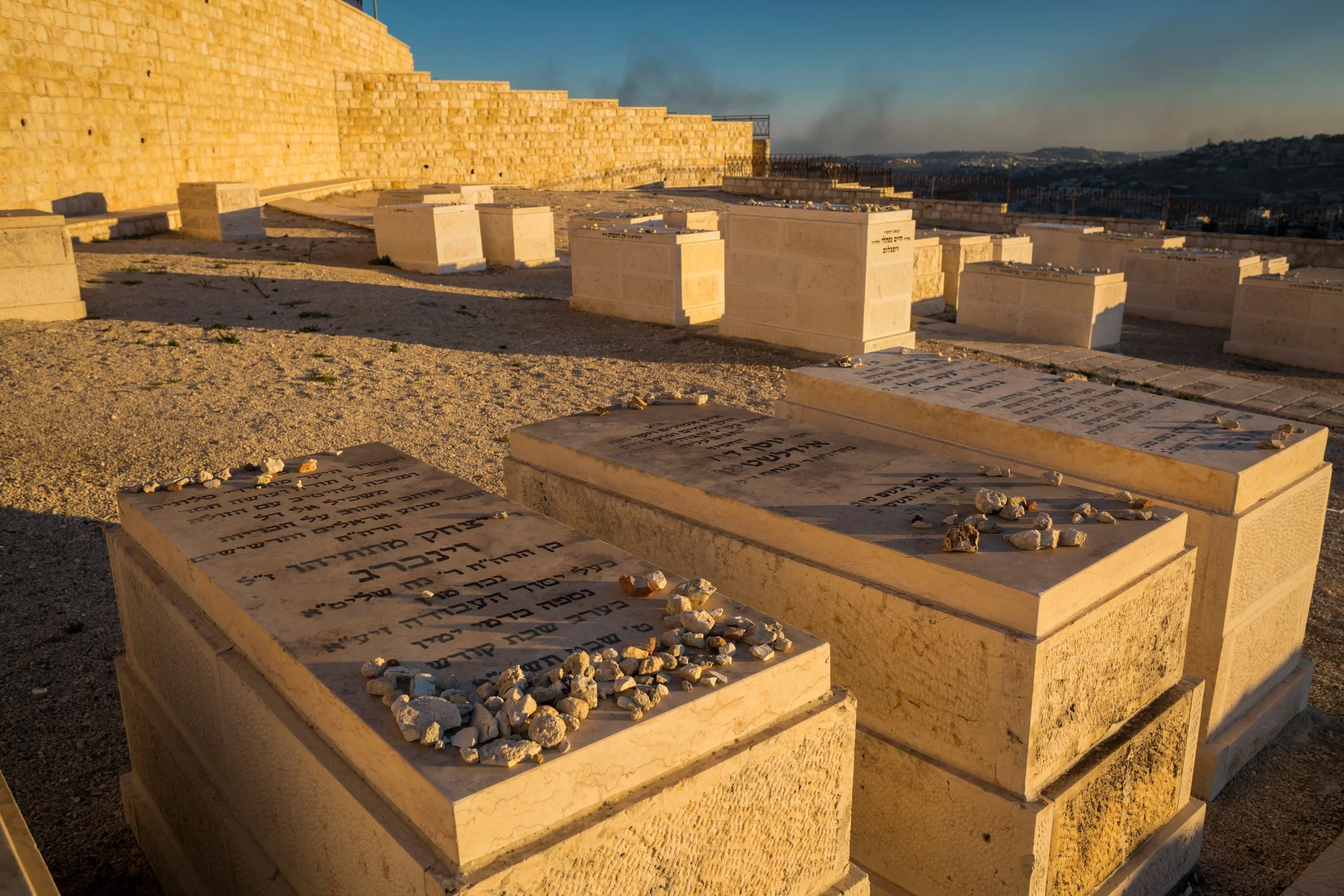
The Apostle Paul said, “Behold, I tell you a mystery: We shall not all sleep, but we shall all be changed—in a moment, in the twinkling of an eye, at the last trumpet. For the trumpet will sound, and the dead will be raised incorruptible, and we shall be changed. (1 Corinthians 15:51-52); “For the Lord Himself will descend from heaven with a shout, with the voice of an archangel, and with the trumpet of God. And the dead in Christ will rise first. Then we who are alive and remain shall be caught up together with them in the clouds to meet the Lord in the air. And thus we shall always be with the Lord” (1 Thessalonians 4:16-17).

The term “eschatology” comes from the Greek eschatos, meaning “last,” and logos, meaning “subject matter.”[i] Therefore, eschatology is the doctrinal study of prophetic events in this present age that will be fulfilled in the last days leading up to the return of Christ. It also includes events that will occur in the age to come after Christ’s return, including the Millennium, the final “great white throne of judgment,” the New Jerusalem, and the new heaven and earth. Prophecy in this study deals with predicted future events given to Israel, many of which were fulfilled at Christ’s First Advent, and all remaining predictions that will be fulfilled at His Second Advent. We read in Daniel, “Seventy weeks are determined For your people and for your holy city… To seal up vision and prophecy…” (Daniel 9:24). When the One who was predicted to come, Jesus, has returned to dwell with His people, there is no longer a need for predictions. All predictions will have been fulfilled, and all visions and prophecies will be sealed forever.
“They devoted themselves to the apostles’ teaching and to fellowship, to the breaking of bread and to prayer.”