
Writing categories

“Now it came to pass after these things that God tested Abraham…” (Genesis 22:1, NKJV).
This verse provides a rather puzzling question. If God is omniscience, meaning that He is all-knowing, why does He need to test Abraham? And, if He already knows the outcome of the test with Abraham then why is the test even necessary? To discover an answer we will turn to Midrashic commentary; Genesis Rabba 55:2.
“Now the Lord had said to Abram: Get out of your country, from your family and from your father’s house, to a land that I will show you” (Genesis 12:1, NKJV).
In this opening chapter in Genesis we see that God has chosen Avram (Abram), yet it gives us no indication for what motivation? Noah’s election in previous chapters is obvious for the Lord said that Noah was a righteous man, perfect in his generations. He had found favor in God’s eyes and was chosen to save a remnant of humanity.

Many are saying they are under increased spiritual attack. I have watched some respond with warfare, and others fall into a state of despair. Neither one is necessarily correct until we understand the reason for an attack. Many questions therefor arise: Am I doing something wrong? Am I living in sin? Am I being disciplined by God? Is my armor incomplete? Should I be praying more? Is my faith lacking? Am I doing something right, therefore the enemy is trying to thwart my efforts? Or, am I simply being tested by God? These are all valid questions from a human perspective, but they may or may not necessarily be God’s perspective.

The reference to demons occurs frequently in the Bible. Jesus recognized their existence, as did the seventy disciples He sent out and the Apostle Paul. As believers, we are admonished to always focus on the Lord and never give the hosts of darkness any meaningful prominence in our lives. We rejoice in God’s victory, believing in His triumph over the demons. However, ignoring them is foolish, and they should be respected for their power but never feared. Angels are referenced more than three times as often as demons. So, let us always remember the words of Elisha: “Do not fear, for those who are with us are more than those who are with them… Lord, I pray, open his eyes that he may see” (2 Kings 6:16-17).

We begin with the Cherubim and Seraphim angels, their ministry to God, and the Tabernacle of Moses. Cherubim first appeared at the Garden of Eden entrance and later in constructing the Tabernacle and the Ark of the Covenant. Inferring a correlation to the Garden of Eden, Cherubim were woven into the inner veil that separated the holy of holies. Our Sages wrote that Cherub angels have a child-like appearance, hence their portrayal in Christian art as babies with wings. Ezekiel refers to them nineteen times, with many believing they are synonymous with the four living creatures described in Revelation. In his vision, he saw four Cherubim angels in the midst and around the throne of God, ministering to the Lord.
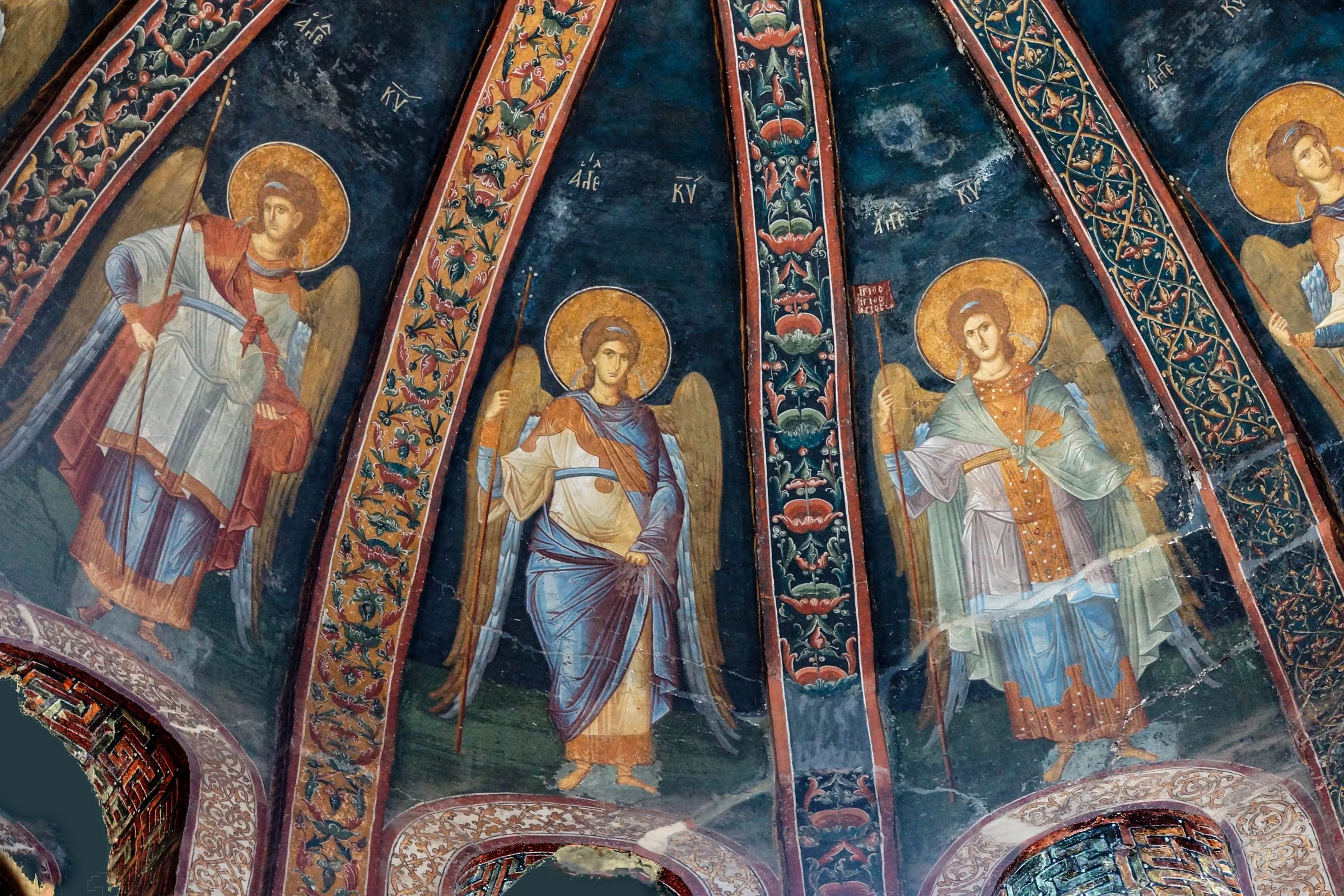
The Bible opens with God’s declaration of His creation of the heavens and the earth: “In the beginning God created the heavens and the earth” (Genesis 1:1). The verse tells us that from the beginning, God created two worlds: the physical universe and the unseen heavenly or spiritual realm. Even though invisible, we must never forget that this spiritual realm is created, and within it are the spiritual beings that inhabit this domain—the angels.
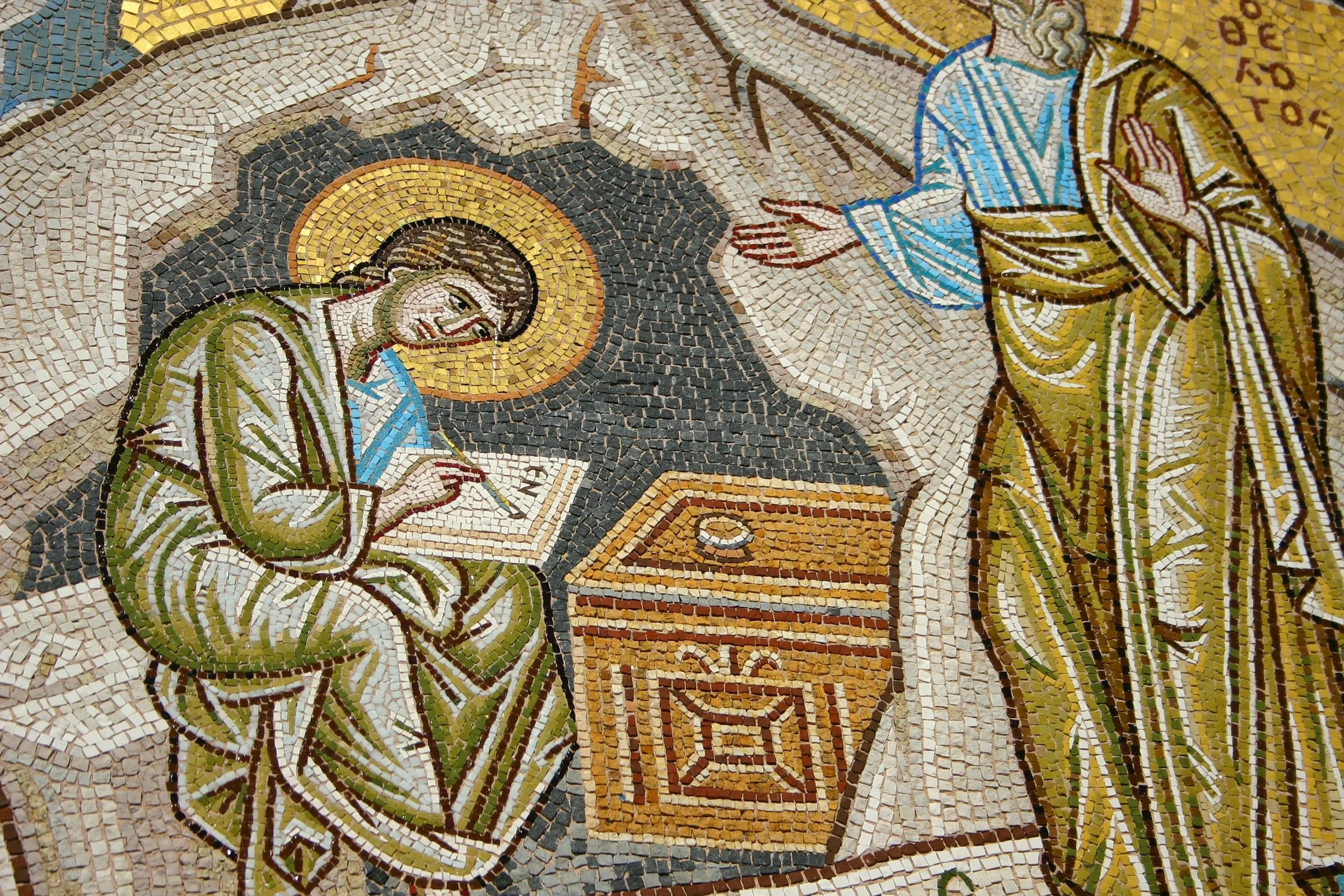
From the beginning, God has desired to make Himself known to His creation. God is Spirit and cannot be seen, and his transcendence is beyond our imagination. However, His imminence brings Him so close that He purposefully dwells within His children. Thus, He has chosen to reveal Himself both in the person of Jesus Christ, the Son of God, and the indwelling presence of the Holy Spirit. These two are one and co-equal with the Father, yet they each reveal different aspects of God.
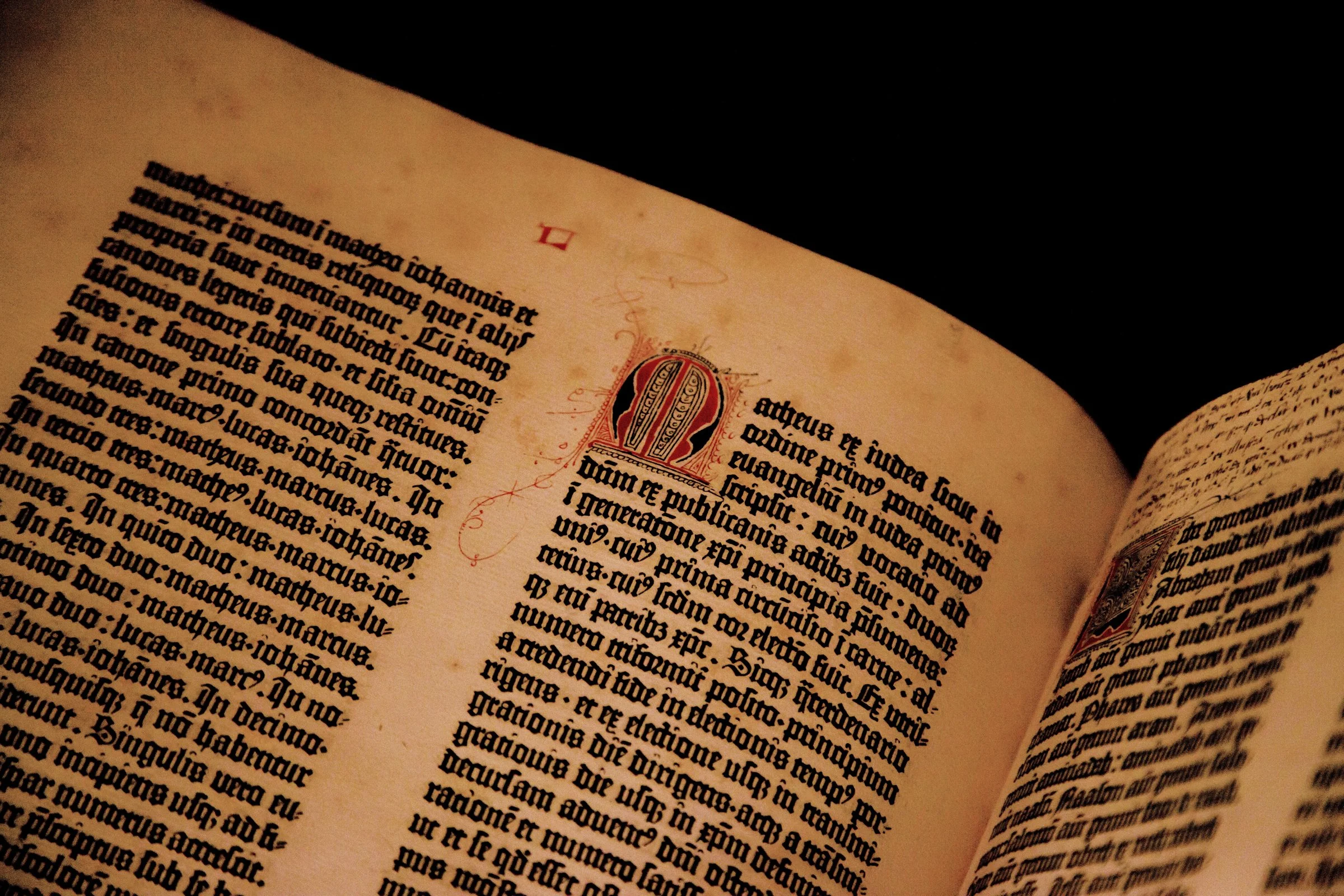
The English word for the Bible comes from the Greek biblos and biblion and means “book” and “little books.” The Bible is also called “the Scripture,” “holy writings,” “sacred writings,” “the oracles of God,” and most descriptively, “the Word of God.”

The ordinances of the church also called sacraments, are outward rites and symbolic observances given by Jesus and are considered outward signs of the inward work of the Holy Spirit in our born-again and ongoing regenerative experience. The term “ordinance” comes from the Latin ordo, meaning “row” or “order,” and by this etymology, it also means “an authoritative decree or direction.” Sacrament originally meant “an oath of allegiance” and was taken similarly by newly enlisted soldiers.

The church's primary mission is to preach the Gospel, make disciples who will preach the Gospel, and make more disciples. This is the “great commission.” However, making disciples has an objective: to bring people into the Kingdom of God. The Kingdom of Heaven and the Kingdom of God are used more than one hundred times in the New Testament. The book of Matthew uses the terms “Kingdom of Heaven” and “Kingdom of God” interchangeably. The other three gospels use the term “Kingdom of God” exclusively. The Hebrew word for “heaven” is shamayim, which the Jewish people used as a circumlocution (substitute) for the name of God. So, the Kingdom of Heaven is also a reference to the Kingdom of God—they are the same.

There has recently been a resurgence in the study of the early church, comparing it to how the church is structured and organized today. However, early Christians did not have denominations, documented theology, or church buildings. The New Testament would not be entirely written for almost a century or canonized for another four hundred years. During the first three centuries, Christians gathered in homes, and many remained connected with their synagogues and assembled at the Temple in Jerusalem before it was destroyed.
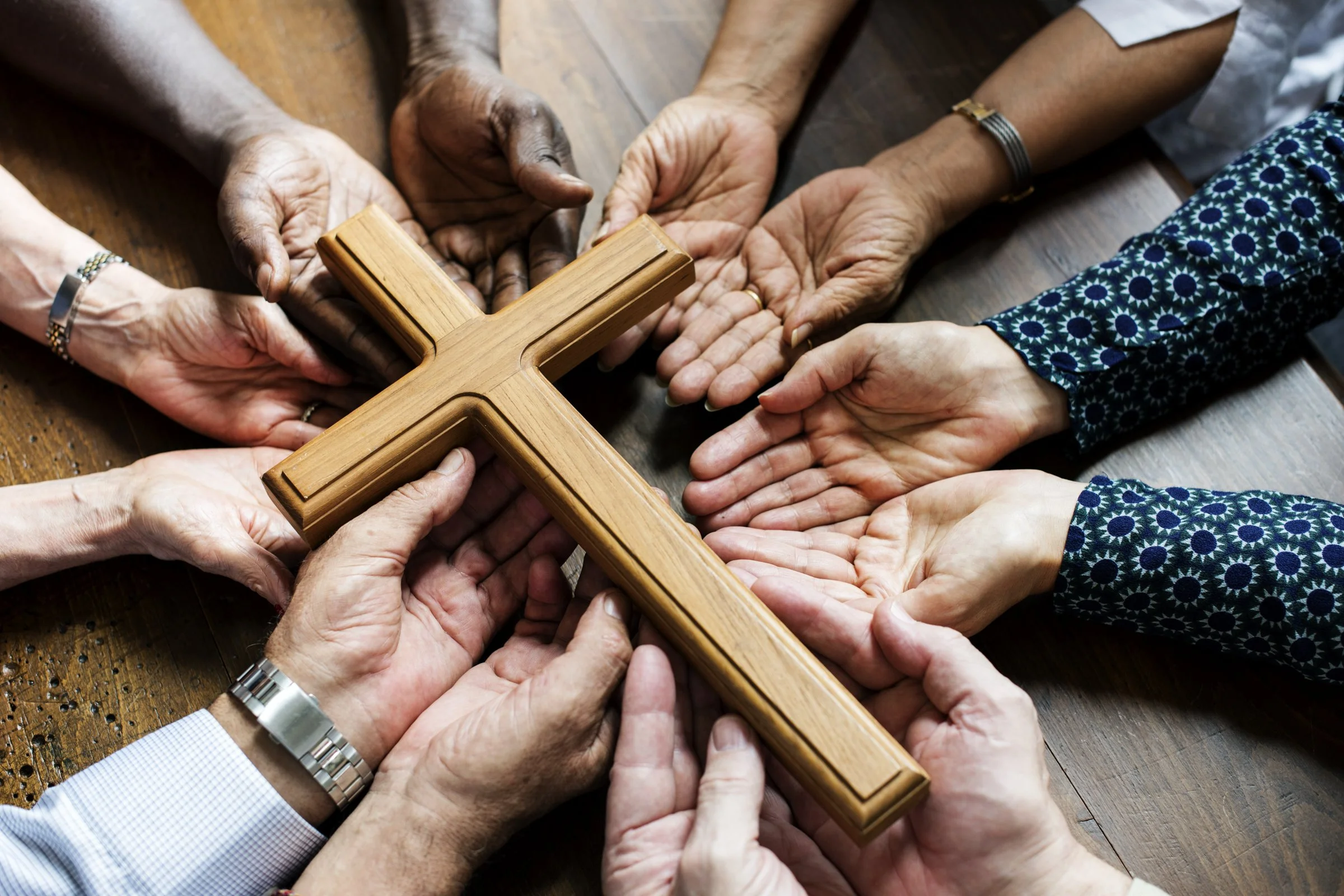
The church is not an organization, although it requires structure and leadership. The church is a living organism, a living being whose divine life is fueled by the indwelling Spirit of Christ. After the resurrection, Jesus ascended to the right hand of His Heavenly Father. Still, in a real tangible sense, He is continually manifested in the world through His body and, by which He fulfills His early mission. We read, “So then, after the Lord had spoken to them, He was received up into heaven, and sat down at the right hand of God. And they went out and preached everywhere, the Lord working with them and confirming the word through the accompanying signs. Amen” (Mark 16:19-20).
The study of the church, including its nature, ordinances, ministries, mission, and governmental structure, is called Ecclesiology. Evolving from the Scottish word kirk, the English word “church” derived from the Greek Kuriakos, meaning “belonging to the Lord.” It is found only twice in the New Testament, an adjective applied to the Lord’s supper and the Lord’s day. The frequent word ekklesia was translated into the English expression “church” that we employ in the New Testament today. Neither Kuriakos nor ekklisa were used to refer to a building or place of gathering until the Greeks, in post-Apostolic times, substituted the term kuriakos, meaning “the Lord’s House,” to designate a church building. In the New Testament, the words used for a religious place of assembly are exclusively temple or synagogue.

In the book of Acts, we read, “And suddenly there came a sound from heaven, as of a rushing mighty wind, and it filled the whole house where they were sitting” (Acts 2:2). “So continuing daily with one accord in the temple, and breaking bread from house to house, they ate their food with gladness and simplicity of heart” (Acts 2:46).

I often hear people say, “it’s not for me to judge another person,” even when they know they are acting sinfully. They cite the words of Yeshua, where He said, “Why do you look at the speck in your brother’s eye, but do not consider the plank in your own eye?” (Matthew 7:3).
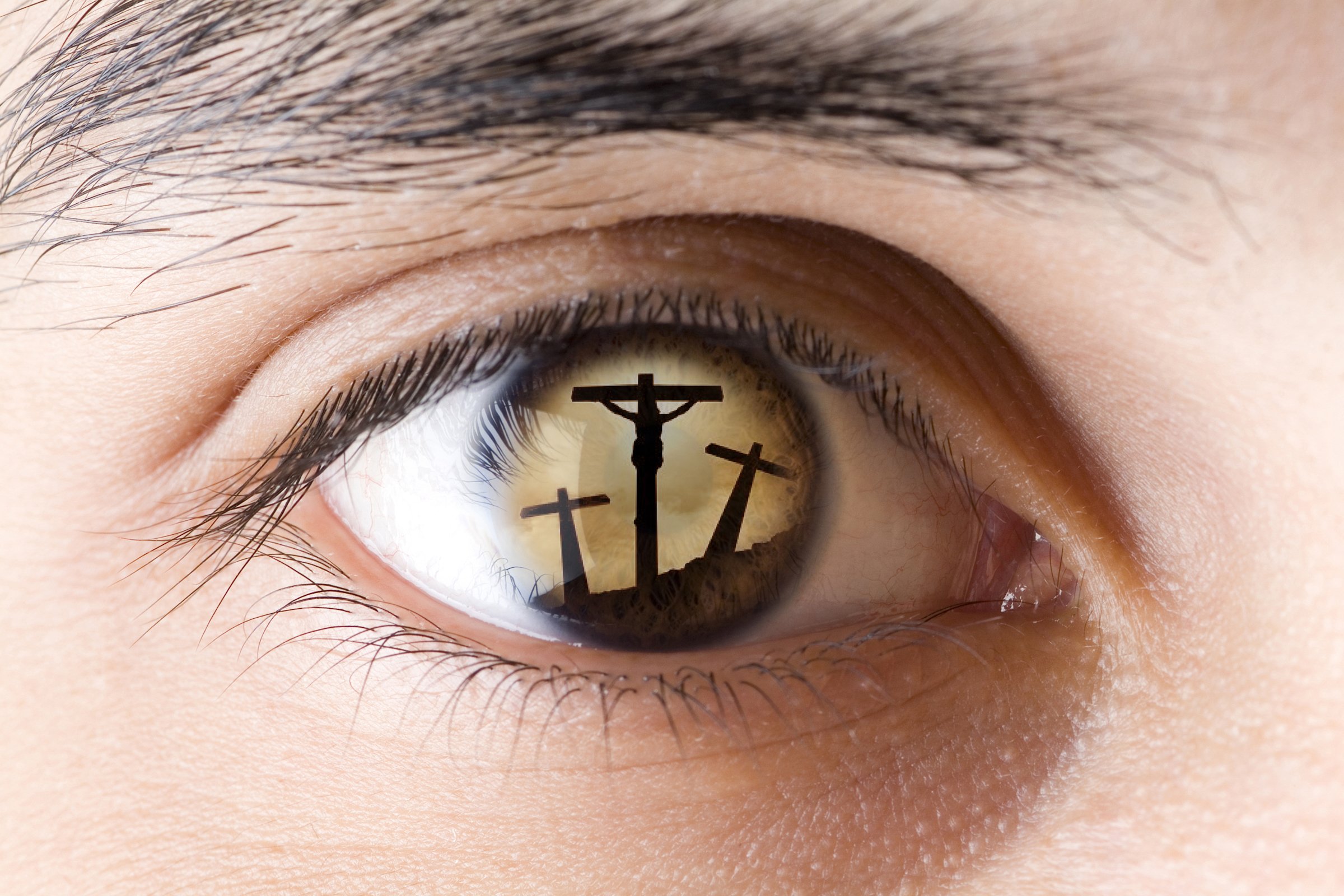
The Apostle Paul said, “In Him also we have obtained an inheritance, being predestined according to the purpose of Him who works all things according to the counsel of His will” (Ephesians 1:11). From Paul’s words, we see that we have an incredible destiny in Christ. Let us discover what it looks like.

Yeshua told us: “My kingdom is not of this world. If My kingdom were of this world, My servants would fight, so that I should not be delivered to the Jews; but now My kingdom is not from here.” (John 18:36). What a powerful statement. If Yeshua’s Kingdom is not of this world, then ours is not either.

The Apostle Paul spoke of several mysteries in his epistles to the church. These mysteries were in essence, God’s hidden wisdom concealed from humanity, until the time He would choose for its revelation;[i] as it is written, “But we speak the wisdom of God in a mystery, the hidden wisdom which God ordained before the ages for our glory, which none of the rulers of this age knew; for had they known, they would not have crucified the Lord of glory” (1 Corinthians 2:7-8).

It can be arguably said that the Apostle Paul might be one of the most misunderstood characters in the Bible. He is considered one of the chief builders of the early church and most significant purveyor of the gospel to the Gentiles. And yet, it was Christ’s apostle, Peter who is considered Rome’s first monarchical bishop. From him, and by one-man, apostolic succession (monarchical episcopacy) was presumed to continue through every church generation.
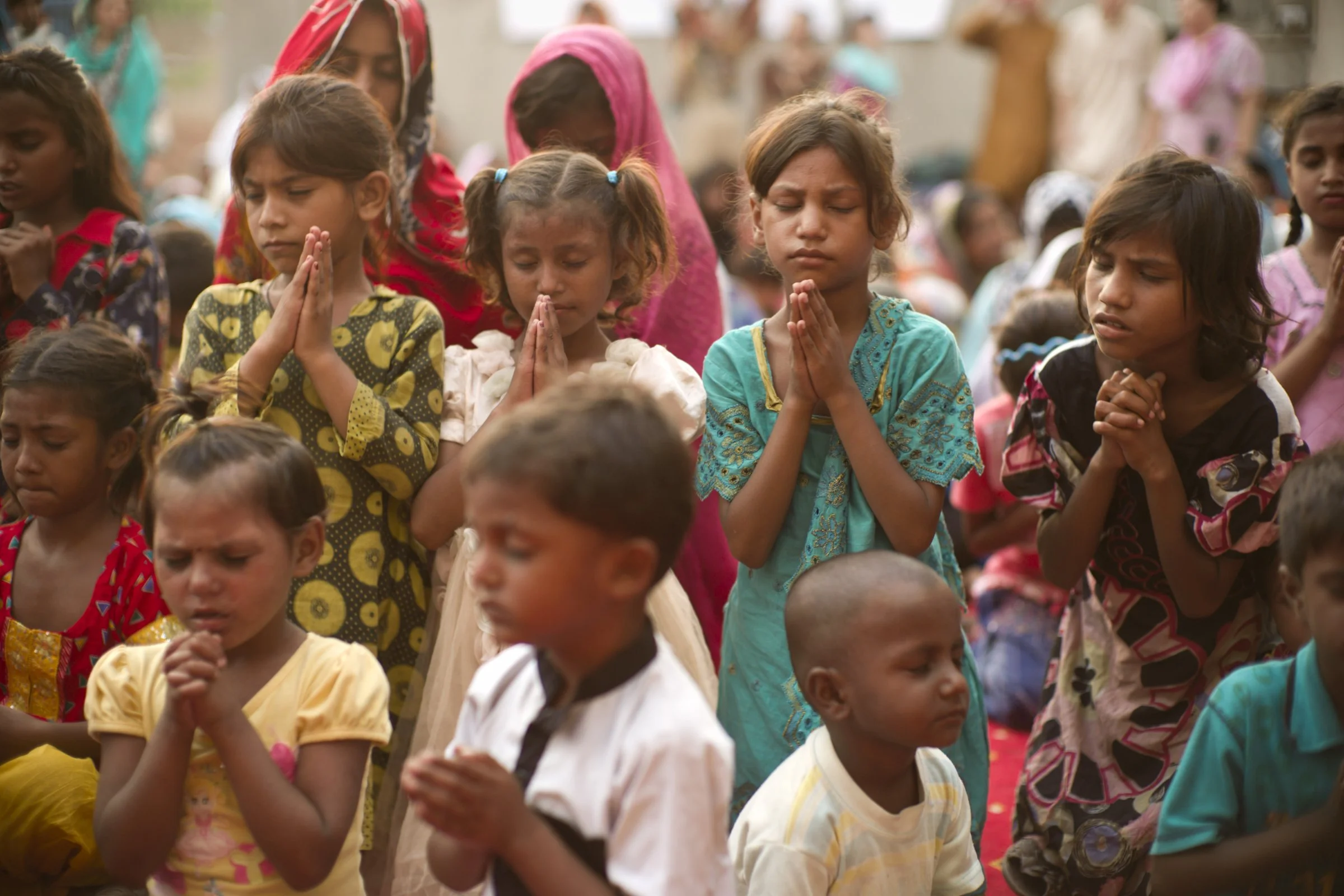
I hear a lot these days about what our Christian Community should resemble. A common biblical reference often cited is in the Book of Acts. It is written, “And they [the church] continued steadfastly in the apostles’ doctrine and fellowship, in the breaking of bread, and in prayers. Then fear came upon every soul, and many wonders and signs were done through the apostles. Now all who believed were together, and had all things in common, and sold their possessions and goods, and divided them among all, as anyone had need” (Acts 2:43-45). Now, this would have been a Christian community to behold. The church members prayed, took communion, and studied the word of God together as one family.

It should be apparent to anyone reading the news that the world is becoming more divisive. Some might argue the earth has always experienced conflict. This is probably true, but it only proves that humanity continues to go through self-destructive behavior cycles, ultimately leading to major national and international conflicts. The question is, are we in that same place today? A new survey from the Pew Research Center reveals that political polarization in the United States has reached a dangerous extreme.

The Apostle Paul had much to say to the gentiles about their relationship with the Jewish people, even warning them to not boast or become arrogant against them. Paul made these critical points in his message to the church at Rome, specifically Chapters nine through eleven. I have paraphrased and emphasized these below, and I believe scripture speaks plainly for itself.

I remember the day so clearly, sitting on my living room couch and holding an Old King James Bible in my hand. I was determined to discover the truth contained within. I very much believed in the one true God of Israel. So I said to Him, “I need to know the truth.” I had no concept of the Holy Spirit speaking to me, but somehow asking God to show me His truth made sense. As I started to read the book of Matthew, there was clarity and focus to the narrative. The story came to life, and remarkably the old English language was perfectly decipherable.

I often hear Christians say, “we are no longer under the Law.” True, I reply. You’re a Gentile. You were never under the Mosaic Law, to begin with. So, if the Gentiles have nothing that legally binds them to the Old Covenant, why do they make such a big deal about not being under it? The answer might surprise you. Let’s find out.

Arguments between early Jewish and gentile believers often resolved around a theological disagreement over the Law of Moses. The word law is translated from the Hebrew word Torah, and literally means instruction. This instruction was intricately woven into the Mosaic Covenant, encompassing 613 positive and negative obligations (does and don’ts).

Much has been written about the Old and the New Covenants. Clearly from scripture we find the new is a better covenant. However, does the Old Covenant still serve a purpose in the life of a Christian today? There are many arguments on both sides; some claiming the law has been completely superseded by the New Covenant—called supersessionism—while others within the Messianic Community still follow the Law of Moses, claiming the law is an eternal statute given to the Jewish people.

The Latin word “Ex Nihilo” (yesh me-ayin in Hebrew), means out of nothing, and is used to describe God’s creation of the universe and His forming of life from nothingness. Let us therefore ask this question: Can something actually be created out of nothing? Rationally, our minds would tell us no. But if we believe—by faith—that God created the universe ex nihilo, which is both irrational and seemingly impossible to comprehend, then we can also conclude that the universe cannot continue to exist apart from the One who created it.

We read, “In the beginning, God created the heavens and the earth” (Genesis 1:1).
The first word in Hebrew is Be-reisheet. This word signifies the very act of creation—God brought “being” into existence from “non-being,” something from nothing. In the beginning (Be’reisheet), the Lord God-YHVH made everything perfect. Each living organism on earth is divinely planned and woven into the most remarkable fabric of creation, a living tapestry of God’s artwork. Every detail is carefully and methodically executed by the wisdom of God, for creation without wisdom would be chaos. But the universe is far from that. It is intelligently designed by God’s hand. Each star and speck of dust moved into place, every planet in our solar system carefully aligned, and the earth itself delicately cloaked in a firmament of water and oxygen, a biosphere capable of sustaining all life.

It is written, “Who shall separate us from the love of Christ? Shall tribulation, or distress, or persecution, or famine, or nakedness, or peril, or sword?” “For I am persuaded that neither death nor life, nor angels nor principalities nor powers, nor things present nor things to come, nor height nor depth, nor any other created thing, shall be able to separate us from the love of God which is in Christ Jesus our Lord” (Romans 8:35 & 38-39). “For He Himself has said, “I will never leave you nor forsake you” (Hebrews 13:5).
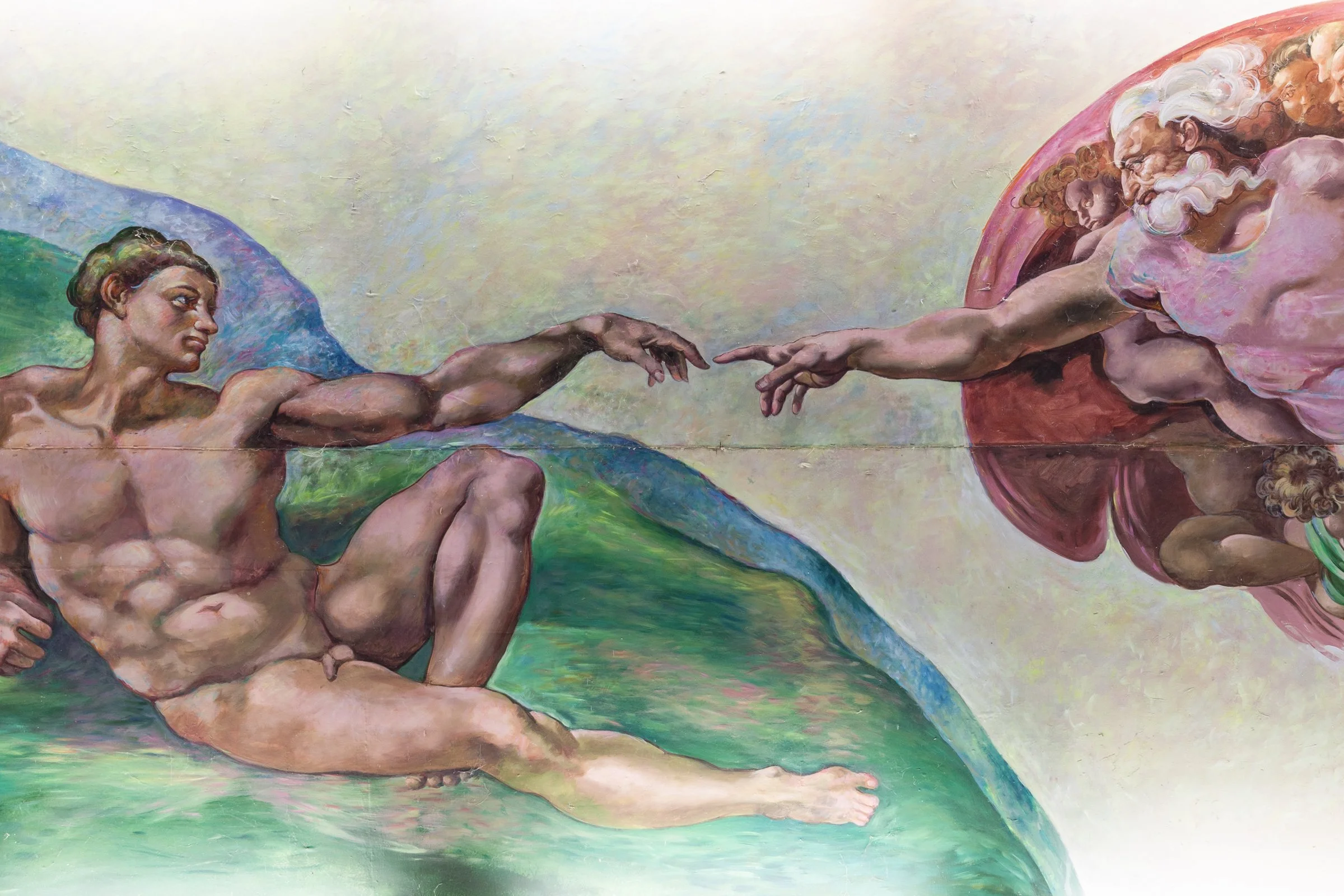
I often hear Christians talk about following the Will of God over the Will of man. It’s a strange word, often used to express someone’s futurity about their express desire.[i] Sometimes I feel like I’m in a wrestling match with God— “I want to buy that new sports car. No, you can’t have it.”
In this context, God’s Will appears arbitrary and maybe even selfishly motivated. Is He the grand arbitrator up in the sky? My response to the car question: “Why can’t I have it?” “Because I said so. Next question, please?”
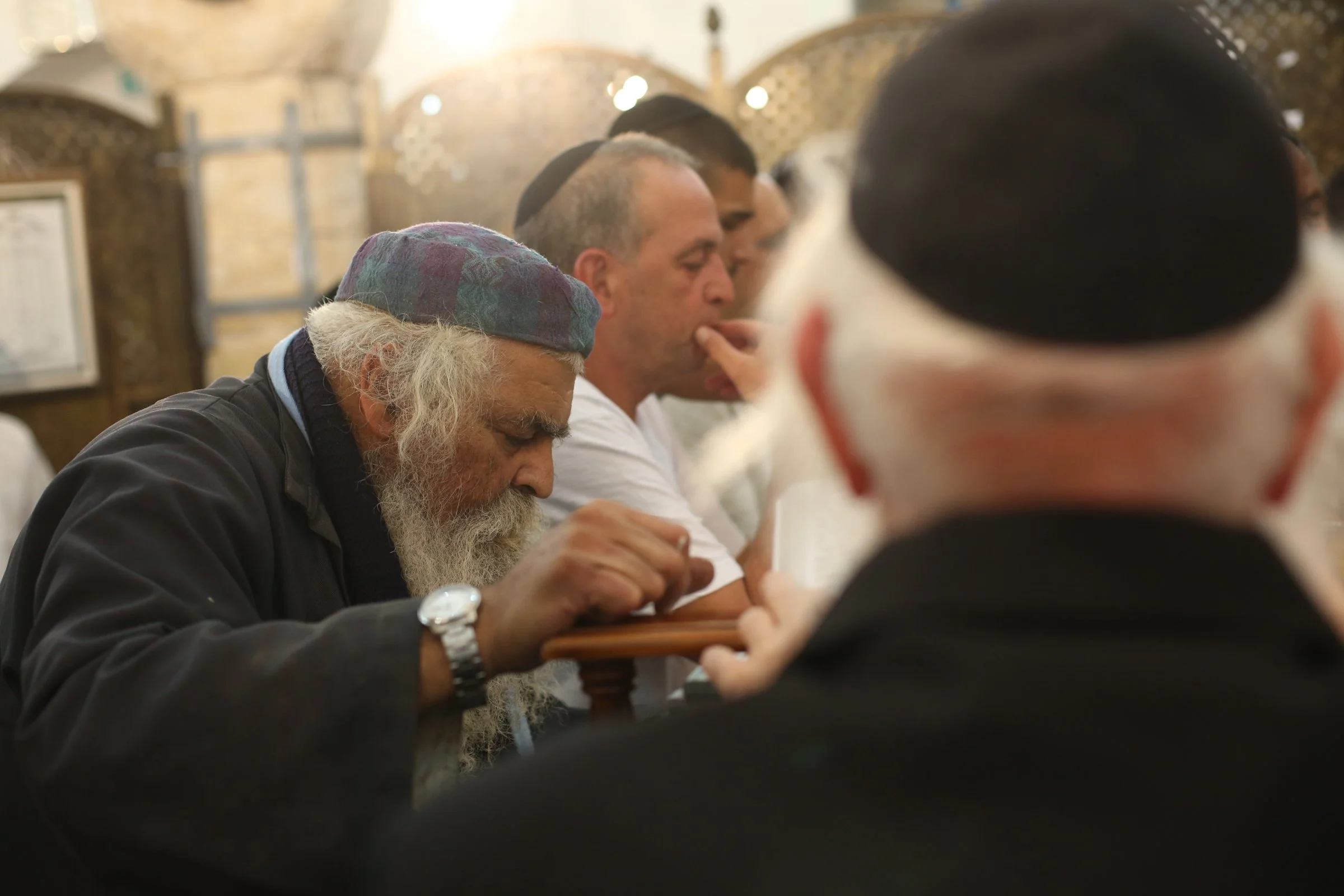
I find it interesting how the church has reached a place where the mere expression ‘we are no longer under the law,’ has somehow erased God’s moral standards as a prerequisite for living a holy and sanctified Christian life. In fact I believe it has led some into apostasy due to a lack of accountability, and has begun to present the world a church that looks very much the same.

The story of David, an ordinary boy raised to extraordinary heights by an extraordinary God. The Son of Jesse, a simple shepherd boy chosen by God to be the King of Israel. And the only figure in the bible to be called: “A man after God’s own Heart.” In so many ways David is given to us as a type of Yeshua, a preeminence of Him to come.
“Now it came to pass after these things that God tested Abraham…” (Genesis 22:1, NKJV).
This verse provides a rather puzzling question. If God is omniscience, meaning that He is all-knowing, why does He need to test Abraham? And, if He already knows the outcome of the test with Abraham then why is the test even necessary? To discover an answer we will turn to Midrashic commentary; Genesis Rabba 55:2.
Many are saying they are under increased spiritual attack. I have watched some respond with warfare, and others fall into a state of despair. Neither one is necessarily correct until we understand the reason for an attack. Many questions therefor arise: Am I doing something wrong? Am I living in sin? Am I being disciplined by God? Is my armor incomplete? Should I be praying more? Is my faith lacking? Am I doing something right, therefore the enemy is trying to thwart my efforts? Or, am I simply being tested by God? These are all valid questions from a human perspective, but they may or may not necessarily be God’s perspective.

Our salvation requires faith, and Jesus was looking for it when He came to the Jewish people. Jesus told His disciples: “When the Son of Man comes, will He really find faith on the earth?” (Luke 18:8).
But Paul said: “For by grace you have been saved through faith, and that not of yourselves; it is the gift of God” (Ephesians 2:8). From his words, we are not saved by faith. Instead, God’s grace saves us through faith. But even our faith is a gift from God lest we erroneously believe that somehow, we can save ourselves from our dead nature caused by sin. No, we were dead in trespasses, and dead people are neither aware nor capable of making themselves alive through faith. Only God can save us by His grace and the faith He has given us so we might choose Him. As we read, “God has dealt to each one a measure of faith” (Romans 12:3).
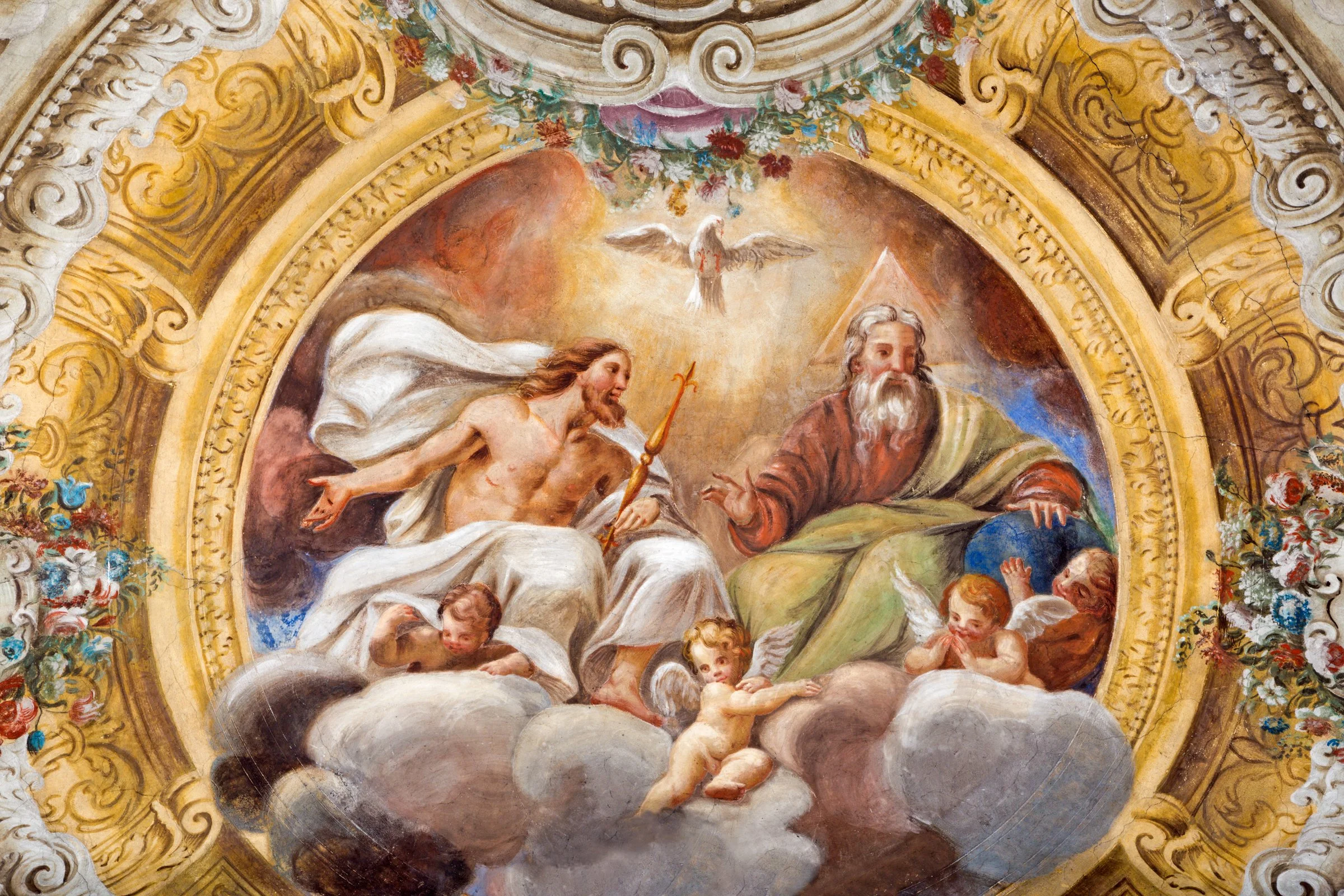
In the Old Testament, there are plural names and pronouns for God. For example, the names Elohim and Adonai or plural. Some scholars claim this plurality relates to “a plurality of majesty.” However, in Genesis, we read: “Let Us make man in Our image, according to Our likeness” (Genesis 1:26). Notice the plural pronouns. Others are found in Genesis 3:22 and 11:7. In Isaiah, we read: “I heard the voice of the Lord [Adonai], saying: Whom shall I send, and who will go for Us?” (Isaiah 6:8). This verse acknowledges the oneness and unity of God, but also incorporates God’s plurality, inferring plurality in unity.

Scripture is clear regarding God’s Divine purpose in the creation. He is omniscient and knows every detail of humanity and the nations from the beginning through the end. All God’s works are sovereignly governed according to His plans and purposes. As we read: “God reigns over the nations; God sits on His holy throne” (Psalm 47:8); “Declaring the end from the beginning, And from ancient times things that are not yet done, Saying, 'My counsel shall stand, And I will do all My pleasure,' Calling a bird of prey from the east, The man who executes My counsel, from a far country. Indeed I have spoken it; I will also bring it to pass. I have purposed it; I will also do it” (Isaiah 46:10-11).
God’s attributes include His self-existence, immutability (unchanging), eternality, omnipresence (everywhere), omniscience (all-knowing), omnipotence (unlimited), and sovereignty (all-ruling power). God’s attributes are one with and in complete unity with Him. While God is limitless, He has chosen to restrain His will, giving humanity a degree of “free will.” This is the great mystery and the seeming paradox of God’s absolute sovereignty versus His limited will.

To understand God’s nature, attributes, and works, we begin by studying the names of God. Names are so important to the Lord that He dedicated an entire chapter in the book of Exodus called Shemot (names). We read, “Now these are the names of the children of Israel who came to Egypt” (Exodus 1:1). Names have meaning, and they have power. It says, “Then God said, ‘Let there be light’; and there was light” (Genesis 1:1), for the Lord God created the universe by His spoken word. And names have authority. We read, “What a word this is! For with authority and power, He commands the unclean spirits, and they come out” (Luke 4:36).

Theology is the study of God and His relationship with the creation. In Christianity, theology takes on a specific form and system, creating the basis for studying religious Christian doctrines and matters of divinity. It may describe the study of biblical truth or represent the study of God Himself, including His existence, nature, names, attributes, and works. While theological topics have varying and seemingly conflicting opinions, the core tenants of Christian theology hold true to nearly every church and denomination.

Christian theology takes on a definite form and system of study, creating the basis for exploring religious doctrines and matters of divinity, specifically the relationship of God with His creation. Theology comes from two Greek words: theos, meaning “God,” and logos, meaning “discourse” or “reason.” Therefore, theology is the discourse or reasoning about God, His existence, nature, names, attributes, works, and His biblical truth. One of the more challenging areas of theological study is that of God’s triune nature—the Trinity.

“Then Moses said to God, Indeed, when I come to the children of Israel and say to them, ‘The God of your fathers has sent me to you,’ and they say to me, ‘What is His name?’ what shall I say to them?” (Exodus 3:13, NKJV).
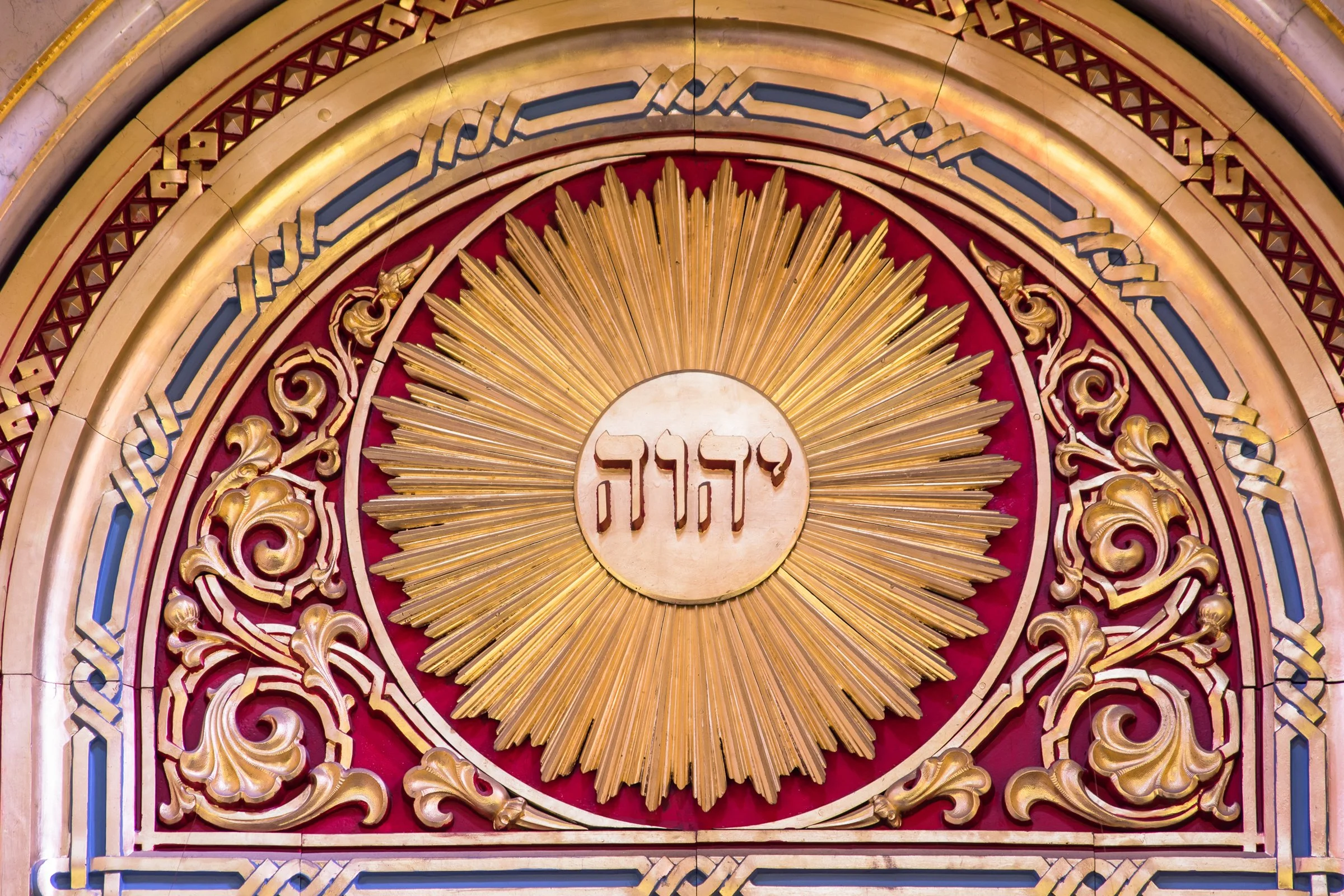
God's name is the most frequently used noun in the Hebrew Bible, occurring over 6,800 times. It is spelled with only four consonants: Yud, Hey, Vav, Hey (יְהוָה), and is called the “Four-Letter” name of God, or the “Tetragrammaton” in Greek. This is God’s written name because He is the Word of God, and we know that Yeshua is the word of God who came in human form. In other words, God’s written word came to life. Hence, the “word became flesh.”

I never expected to write about the gospel. And yet, I find myself needing to clarify the biblical gospel in the light of a rising movement, even within the church, trying to redefine what the Bible says about this subject.
If you search on the internet, you will quickly discover some of the many other gospels out there. There is a social gospel, also called social constructivism. There is the gospel of science, Christian humanism, and list goes on and on.

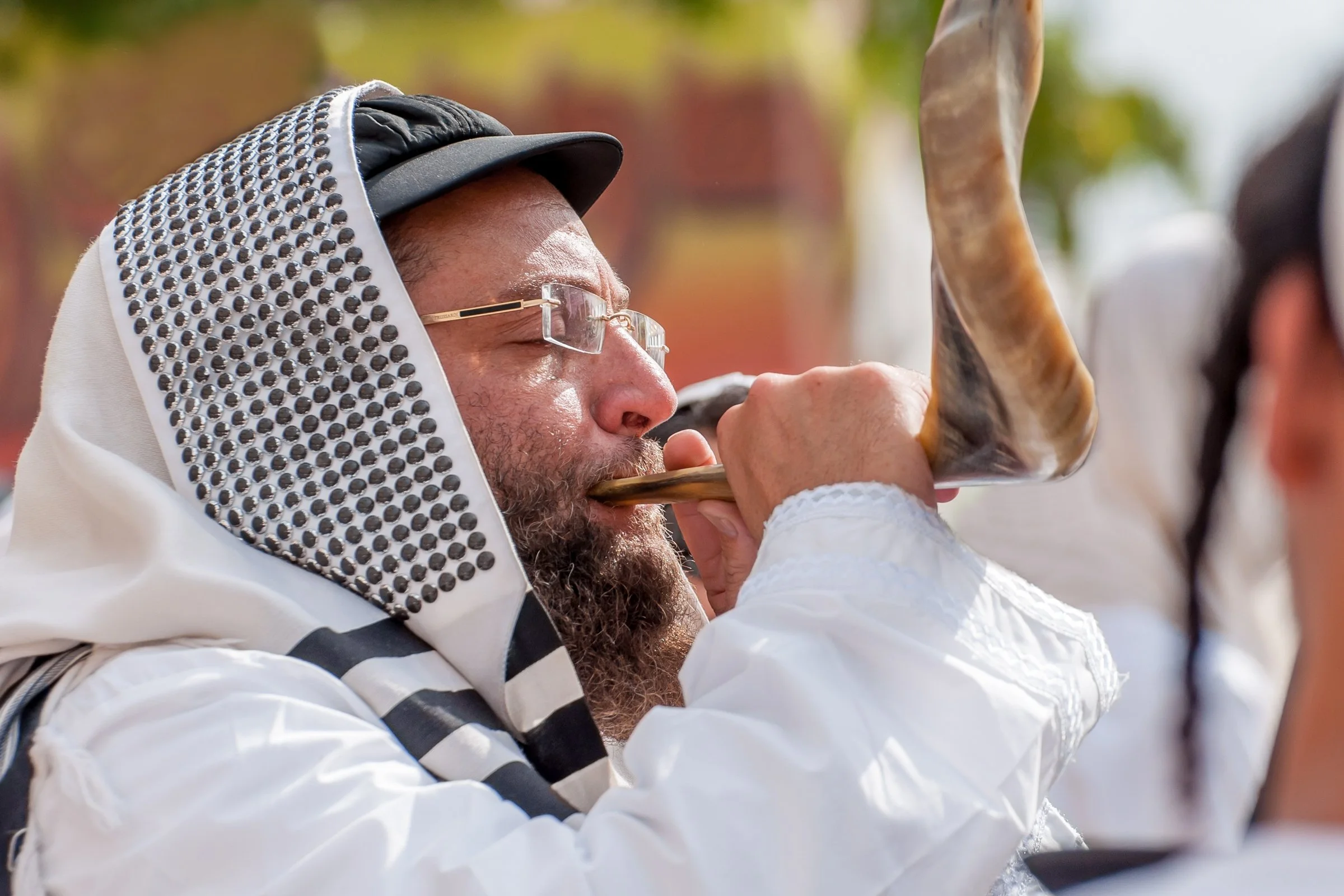
The first time read about the Shofar, the ram’s horn, in the Bible is in Exodus Chapter 19, when the Israelites encamped below Mount Sinai. The Hebrew word used in these chapters is Shofar (שֹׁפָ֖ר).[i] The Lord instructed the Israelites to wait for the third day when He would come down upon the mountain, and the blast of a Shofar would sound before them.

“And the Lord spoke to Moses, saying, Speak to the children of Israel, and say to them: The feasts of the Lord, which you shall proclaim to be holy convocations, these are My feasts” (Leviticus 23:1).
These are the eight feasts and celebrations of the Lord, and His holy convocations declared in Leviticus. They belong to Him and point to His first and second advents. Interestingly, the first holy assembly referenced is the Sabbath. The remaining seven festivals are seasonally divided into spring and fall. These include the Passover, Feast of Unleavened Bread, Feast of Firstfruits (Resurrection Sunday), Feast of Weeks (Pentecost), Feast of Trumpets (Jewish Civil New Year), Day of Atonement, and Feast of Tabernacles.

Yom Kippur, the Day of Atonement is considered to be the holiest day of the year for the Jewish people. It is a solemn day to afflict our souls, but it is also a joyful day in knowing that God will forgive our sins. It commemorates the day when God forgave the Jewish people for the sin of the Golden Calf.

It is impossible to understand God’s festivals (His feasts) and the Lord’s high holy days without knowing God’s Hebrew calendar and prophecies. We must have the heart to understand God’s Kingdom’s purposes for the nation of Israel. Many Christians have asked me: “Why should I celebrate the feasts in the Old Testament? Are we not under a New Covenant?” Yes, we are. However, our understanding of these feasts is essential to the church.

The Exodus from Egypt and the liberation of the Jewish people from slavery marked the birth of the nation of Israel, and is considered by the Jewish people to be the single most important event in their history. The delivery itself was both miraculous and divinely orchestrated entirely at His hand. The Lord had sent Moses to Pharaoh to deliver this message; “Let my people go, that they may hold a feast to Me in the wilderness” (Exodus 5:1, NKJV).
“Now the Lord spoke to Moses and Aaron in the land of Egypt…” (Exodus 12:1, NKJV).
This chapter details the exodus from Egypt, the laws of the Passover, and the plague of the first-born. But it opens with an intriguing phrase, “in the land of Egypt.” Since we know the story is unfolding in Egypt, why is it necessary for God to reiterate an obvious fact?

The story of Chanukah takes place about two-hundred years before the birth of Christ during the time of the second temple in Jerusalem. A small group of Israelites led by a family of Aaronic priests, called the Maccabees (Hebrew meaning hammer), had risen up against their Greek-Syrian oppressors in what is called the Maccabean Revolt. This was not just a fight against a foreign occupying presence, but a spiritual battle against the Hellenization and assimilation of the Jewish people into Greek culture and idolatry.
Many are asking questions about the recent Shemitah (Sabbatical—Hebrew שְׁמִטָּה), and possible upcoming Yovel (Jubilee—Hebrew יוֹבֵל) year. This article attempts to explain some of the mysteries and confusion surrounding these biblical events.
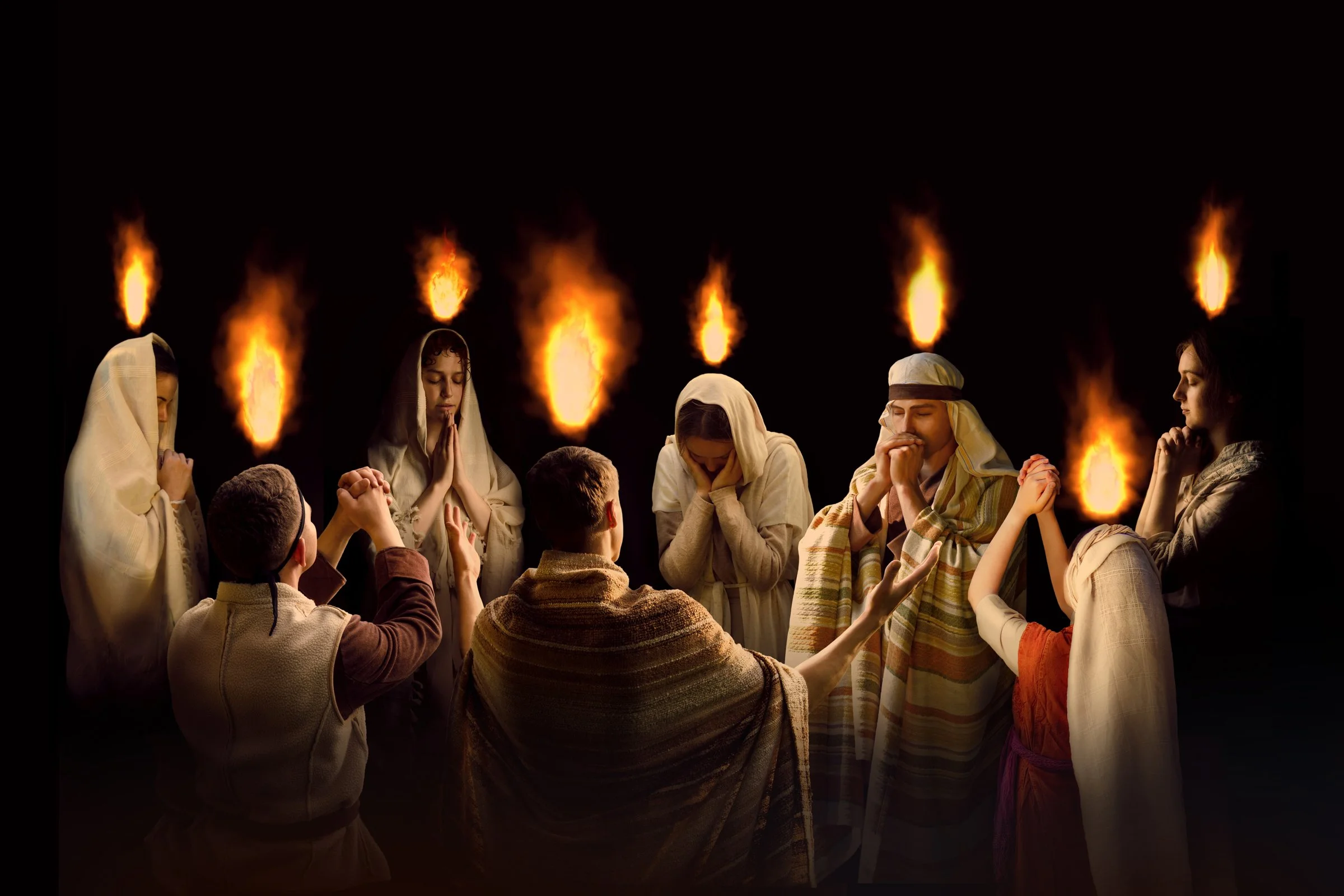
Three chapters in the New Testament are dedicated to the gifts of the Spirit, and over one hundred references to Spiritual gifts. These gifts were promised to the church, as we read: “Behold, I send the Promise of My Father upon you” (Luke 24:49). And this promise was fulfilled on the Day of Pentecost, as we read: “And they were all filled with the Holy Spirit and began to speak with other tongues, as the Spirit gave them utterance” (Acts 2:4). The ministry work of the Apostles was marked by the supernatural, and they were given divine power to perform it. Sharing the Gospel, delivering people from bondage, and guiding them in faith and repentance require the Holy Spirit.
The fruit of the Spirit is the fruit of our character as we live a holy life dedicated to the Lord. It is the character of Christ produced by the Spirit of Christ within us and is the greatest treasure of the believer. We read: “The fruit of the Spirit is love, joy, peace, longsuffering, kindness, goodness, faithfulness, gentleness, self-control. Against such there is no law” (Galatians 5:22-23); “(The fruit of the Spirit is in all goodness, righteousness, and truth), finding out what is acceptable to the Lord” (Ephesians 5:9-10); “Now having been set free from sin, and having become slaves of God, you have your fruit to holiness, and the end, everlasting life” (Romans 6:22).

After the resurrection of Jesus, He appeared to the disciples, saying, “Peace to you! As the Father has sent Me, I also send you. And when He had said this, He breathed on them, and said to them, ‘Receive the Holy Spirit’” (John 20:21-22). Fifty days later, on Pentecost (Shavuot), Jesus told His disciples: “You shall receive power when the Holy Spirit has come upon you; and you shall be witnesses to Me in Jerusalem, and in all Judea and Samaria, and to the end of the earth” (Acts 1:8). Notice the Holy Spirit came in two forms: first in peace—the fruit of the Spirit. And then in power—the baptism of the Holy Spirit.

There is an interesting correlation in scripture between water and blood; as it is written, “This is He who came by water and blood—Jesus Christ; not only by water, but by water and blood” (1 John 5:6, NKJV). Water and blood. Together, these are a mystery. Let’s discover their significance.

I was invited to lead a Saturday morning consecration service at an African-American church in northeastern Washington, D.C. The church meets inside a converted small colonial white house perched on a street corner across from a local market. This is an established working-class neighborhood surrounded by government housing projects. The pastor and the congregation are spirit-filled and deeply hungry for their Hebraic roots.

Most of us probably know the story of Abraham and Hagar, Sarah’s Egyptian maidservant. She became Abraham’s second wife and bore his first son, Ishmael. Conflict and jealousy arose within the family which led to Ishmael’s banishment, not only from Abraham’s household but also from his father’s inheritance.
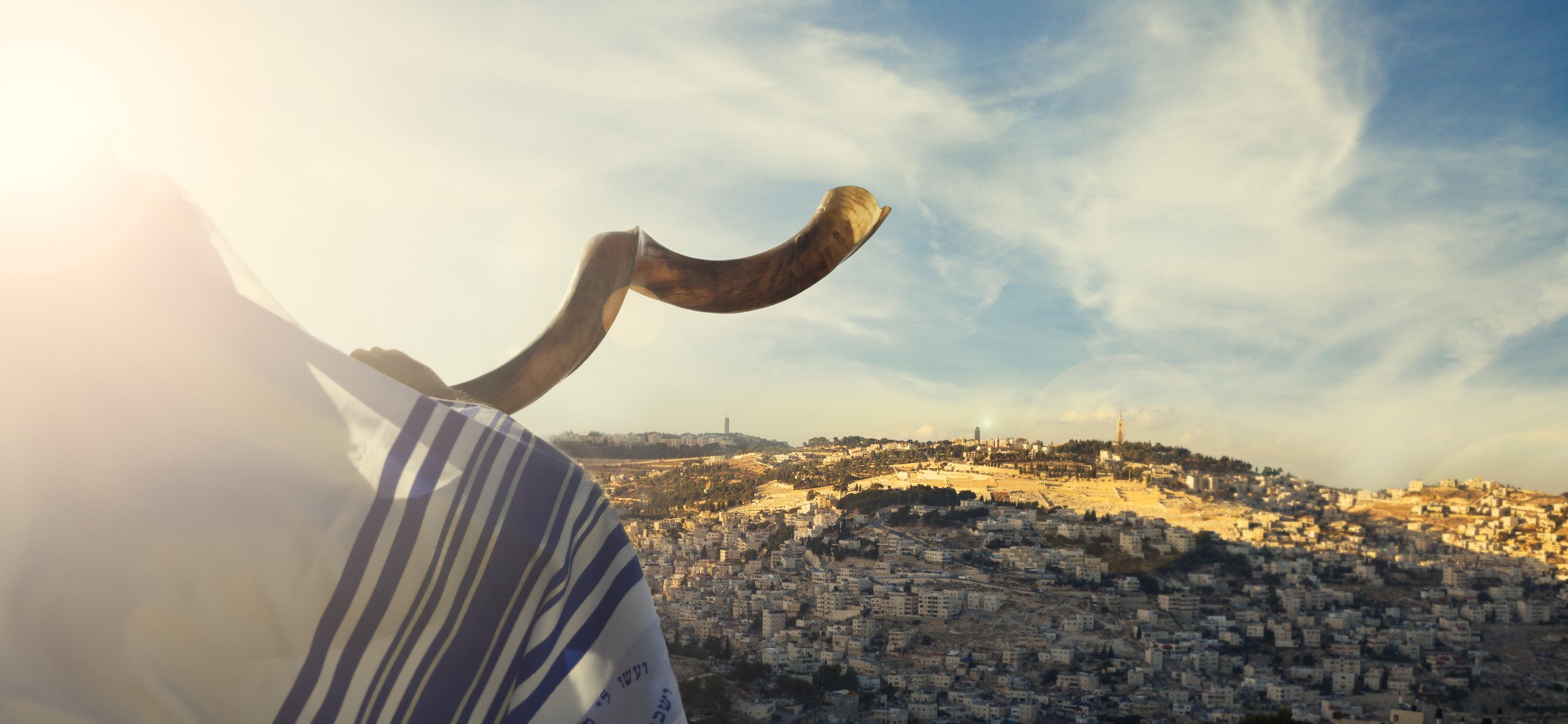
It is an undisputed tenet of Christianity that Jesus will return, and when He does, He will fully usher in the Kingdom of God. The prophet Zechariah declared: “Therefore thus says the LORD: I am returning to Jerusalem with mercy; My house shall be built in it, says the LORD of hosts, And a surveyor’s line shall be stretched out over Jerusalem” (Zechariah 1:16). At the end of His earthly ministry, Jesus ascended to Heaven from the Mount of Olives. Two angels who stood there spoke to the disciples, saying, “This same Jesus, who was taken up from you into heaven, will so come in like manner as you saw Him go into heaven” (Acts 1:11). Jesus is returning to Jerusalem in the clouds with power and great glory. Every eye will see Him, even they who pierced Him.

It was in early 2019 that I wrote how I saw God’s prophetic timeline beginning to unfold for Israel—namely that Israel would become increasingly isolated and eventually stand entirely alone. This scenario, I believe, is God’s will for His covenant nation: not to trust in their own weapons or to make covenants with other nations, but to trust God fully and to know that He alone is their protector and redeemer. Ultimately, God will prove His love and faithfulness to His people and show them that He is their only Savior.
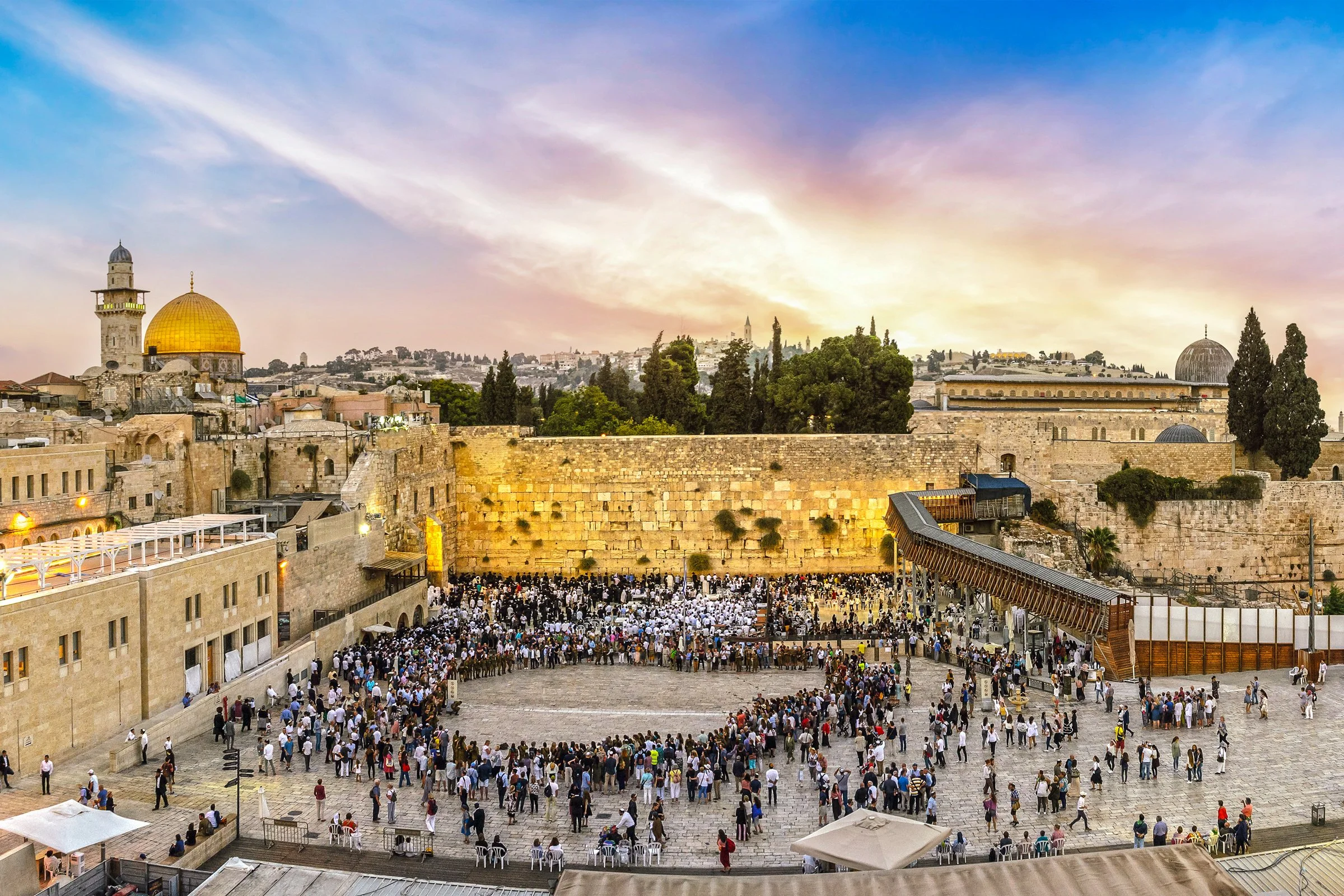
There is a growing theological shift, especially amongst younger Evangelical Christians, that has led to the belief that the church is the fulfillment of the covenant promises given to Israel and, in a sense, has become a “new” Israel. The verses most often quoted are from Paul’s writings to the Galatians, where he closes with these words: “For in Christ Jesus neither circumcision nor uncircumcision avails anything, but a new creation. And as many as walk according to this rule, peace and mercy be upon them, and upon the Israel of God” (Galatians 6:15-16). Looking at the broader context, Paul is speaking to a mixed, but likely predominantly Gentile audience, who are being persuaded to follow the Law of Moses. The Jewish congregants were likewise being persuaded to return to the Mosaic Law. Rightfully so, Paul was correct to tell the Galatians not to return to the Old Covenant, but rather to hold steadfastly to the New Covenant, which has made us a new creation in Christ.
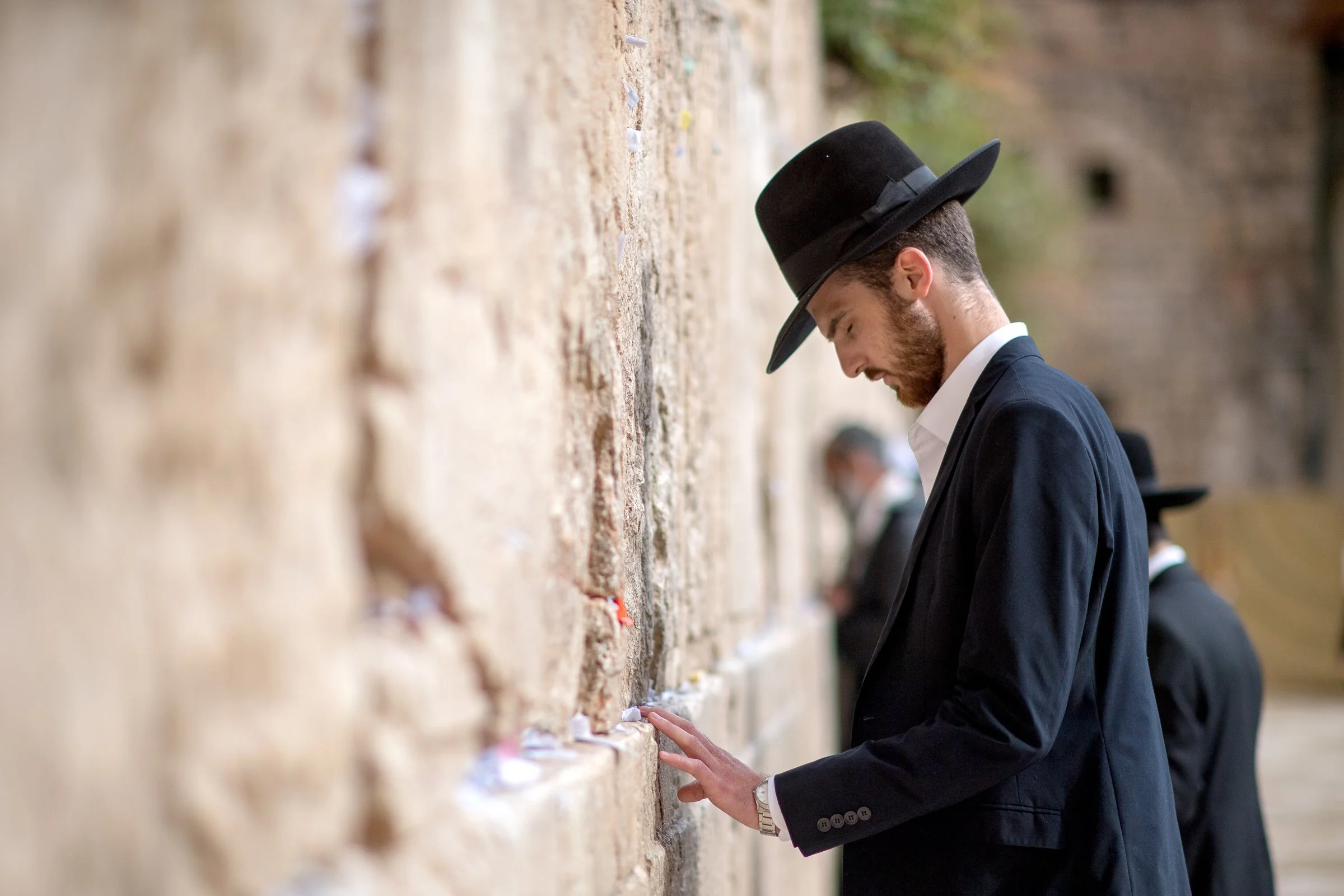
The land of Israel (Eretz Yisrael) is often referred to as the Holy Land (Eretz Hakodesh) and “our Holy Land” (Artzeinu Hakedoshah). But Israel is more than land; it is a body for the soul of a people. In Hebrew, the God of Israel is called “Holy Israel” (Kadosh Yisrael – קדוש ישראל). The Hebrew language communicates oneness. God is holy, and He is also Israel. The implication here is that Jesus, Yeshua, the Word of God revealed in the flesh, is Holy Israel, and His land and His people are inseparably one in Him. Thus, Yeshua is the physical embodiment of Israel, which is why Paul repeatedly said, “We are in Christ.”The sages affirm this by saying that God’s Kingship (His Malchut) is also His congregation of Israel (His Knesset Yisrael). They consider Israel an aspect of God, meaning that God, Israel, and His Torah (His written word) are all one.

There is something profound in the Lord’s eyes for those from Abraham’s natural lineage. Paul said, “Concerning the election they are beloved for the sake of the fathers” (Romans 11:28). This verse implies that Israel is elected (chosen) by God. Chosenness is deeply misunderstood. To be chosen means to be entrusted with a role, task, or mission more significant than your small self. Chosenness infers we have meaning, destiny, and a greater purpose that is God-given rather than self-motivated. Paul said, “For so the Lord has commanded us: I have set you as a light to the Gentiles, That you should be for salvation to the ends of the earth” (Acts 13:47). Divine election carried Israel to a whole new level, and she is beloved for the sake of the fathers. When God assigned Israel her purpose, she became the fulfillment of that purpose in the form of a nation, and her irrevocable calling was and is to be a light to the Gentiles.

Throughout history, the church has sought to understand Israel’s place in God’s Kingdom, and the re-establishment of the state of Israel in 1948 has made this issue even more pressing. But the separation of the church from its Hebraic origins drove it into a period of great darkness. This was only exacerbated by an abyss of unbelief and skepticism caused by “the Enlightenment” (Aufklarung in Germany) that had opened in the West, culminating in self-centeredness, self-worship, and a rise in humanism during the Renaissance.

God’s first and only covenant nation is Israel, and He called them His “firstborn son.” And Israel is the only nation He sovereignly chose to reveal Himself to, not a giant and mighty nation, but so insignificant they appeared to be nothing more than a small, powerless family. It says, “You only have I known of all the families of the earth” (Amos 3:2); “The Lord did not set His love on you nor choose you because you were more in number than any other people, for you were the least of all peoples” (Deuteronomy 7:7).

It can be said that Israel’s origins begin with Abraham, the father faith, as Paul, “It is of faith that it might be according to grace, so that the promise might be sure to all the seed, not only to those who are of the law, but also to those who are of the faith of Abraham, who is the father of us all” (Romans 4:16). God desired that Abram become a source of blessing to the whole world, setting before him a moral imperative to obey His commandment to leave everything of this world behind. Nearly two thousand years before the Advent of Christ, the Lord God made a covenant with Abraham, promising to make of him a great nation and a company of nations: “I will make you a great nation; I will bless you and make your name great; and you shall be a blessing. I will bless those who bless you, and I will curse him who curses you; and in you all the families of the earth shall be blessed” (Genesis 12:2-3).

One of the most profound stories in human history is how God miraculously delivered the children of Israel from their bondage in Egypt. At that moment, they became His people, heritage, and His Holy nation. Never had this happened to any group of people, and still, the Lord made a promise that one day He would do something even more spectacular and demonstratively powerful.
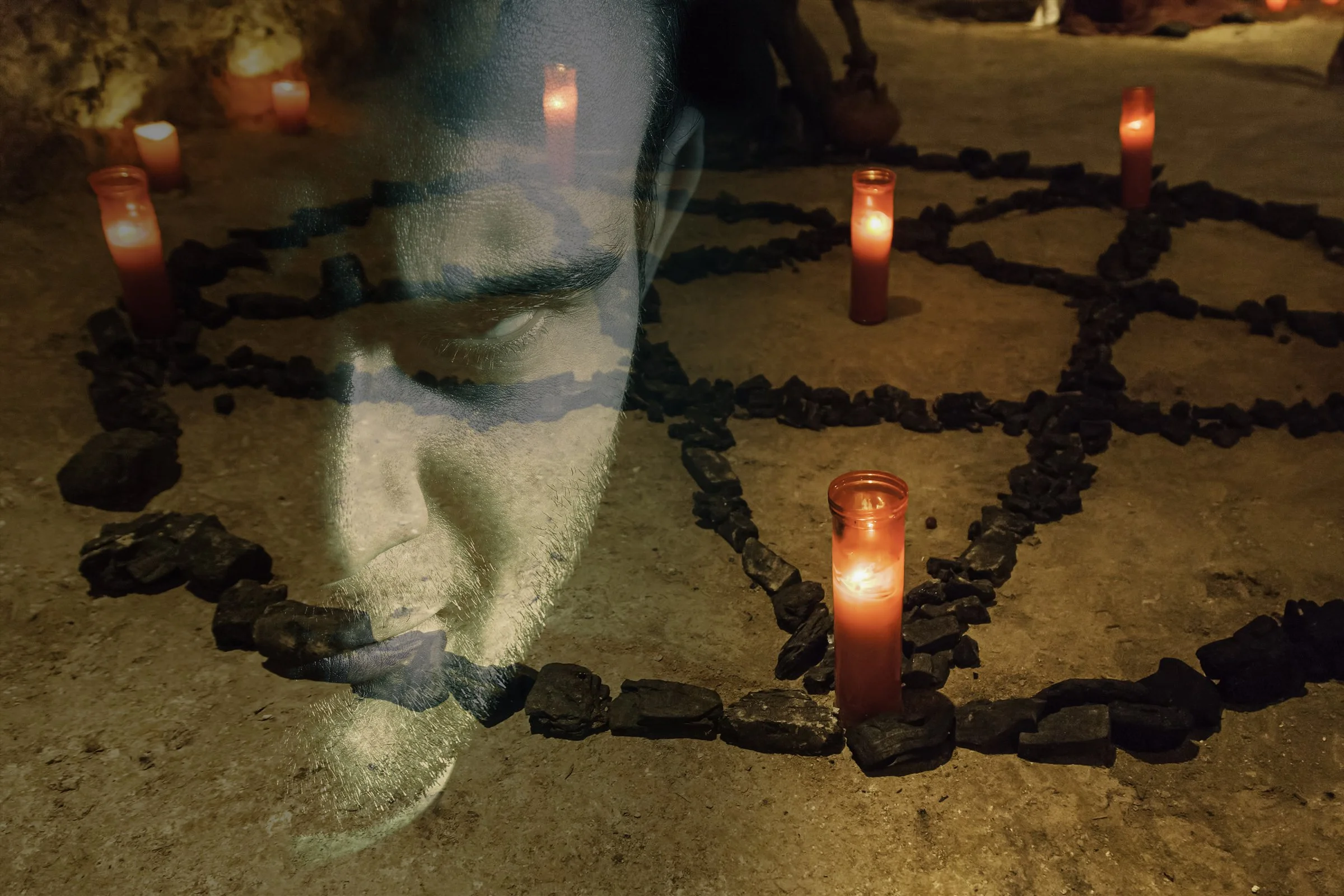
Who is the Anti-Christ? That is an interesting and complicated question. First, let me say that the Anti-Christ will be an actual person. However, like Judas Iscariot, he will not become this person until Satan himself enters him— “Then Satan entered Judas, surnamed Iscariot, who was numbered among the twelve” (Luke 22:3, NKJV). Second, let me say that it is currently impossible to identify this person. The Bible tells us this man will be revealed to the world at a specific point in time.

In December 2018, President Donald Trump announced that the United States would be withdrawing its troops from Syria. The announcement came as both a surprise and concern over the stability in that region, particularly concerning Israel’s northern border.

“For if you were cut out of the olive tree which is wild by nature, and were grafted contrary to nature into a cultivated olive tree, how much more will these, who are natural branches, be grafted into their own olive tree? I do not want you to be ignorant of this mystery, brothers and sisters, so that you may not be conceited: Israel has experienced a hardening in part until the full number of the Gentiles has come in, and in this way all Israel will be saved. As it is written: “The deliverer will come from Zion; he will turn godlessness away from Jacob. And this is my covenant with them when I take away their sins” (Romans 11:24-27).
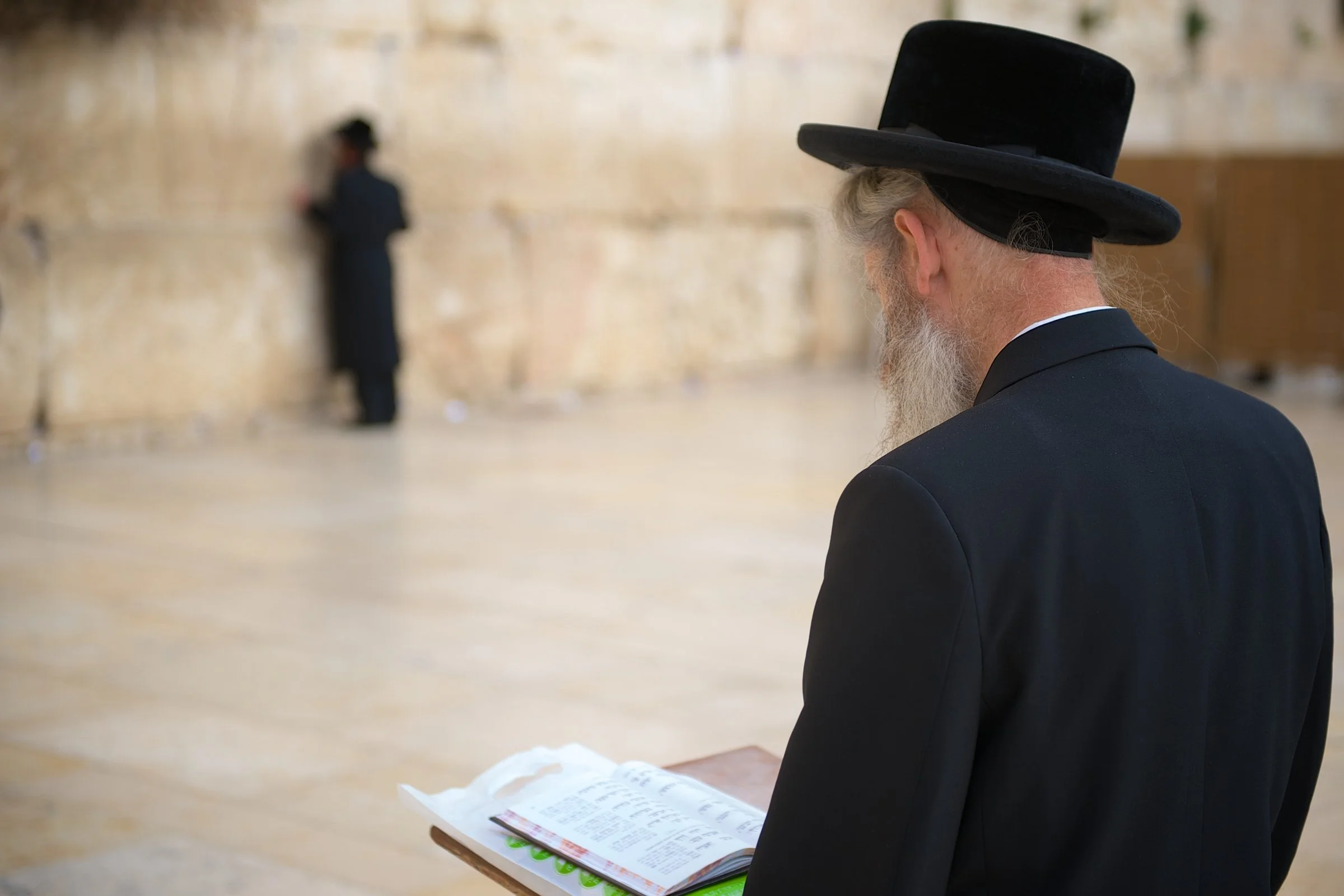
I am often asked: “How do I pray for Israel and the Jewish people?” The other question often asked is: “How do I provoke Israel to jealousy?” These are great questions, and the answers are in fact rather simple.
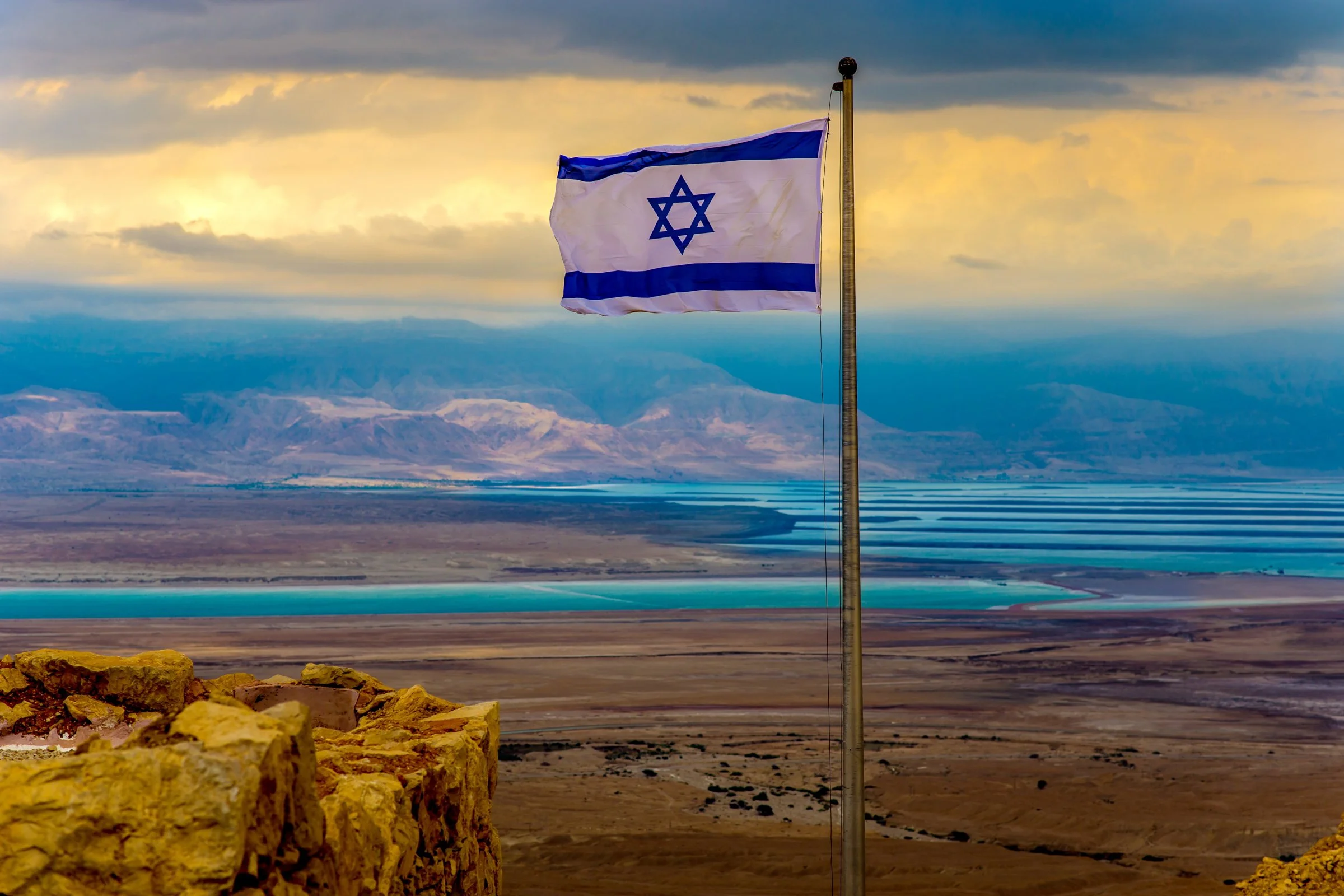
Ever since we returned from Israel a few weeks ago, everyone has been curiously asking how was our trip? As I have been processing all that transpired, I have decided to write down my personal and spiritual reflections of the journey.

In God’s infinite wisdom He has woven into the fabric of humanity a plan for the redemption of fallen man. We can see that by His divine election that He has preserved a seed that extends from Adam through Noah, Abraham and King David, ultimately bringing forth the Messiah Yeshua, the stem and the root of Jesse, and the branch and arm of God. But with Abraham, God made a covenant to create a nation that would literally become ‘one’ with Him. To understand His purpose for humanity we must look to Israel, for she is the only nation on earth to receive direct revelation of God, and the only nation to be born of His Covenant.
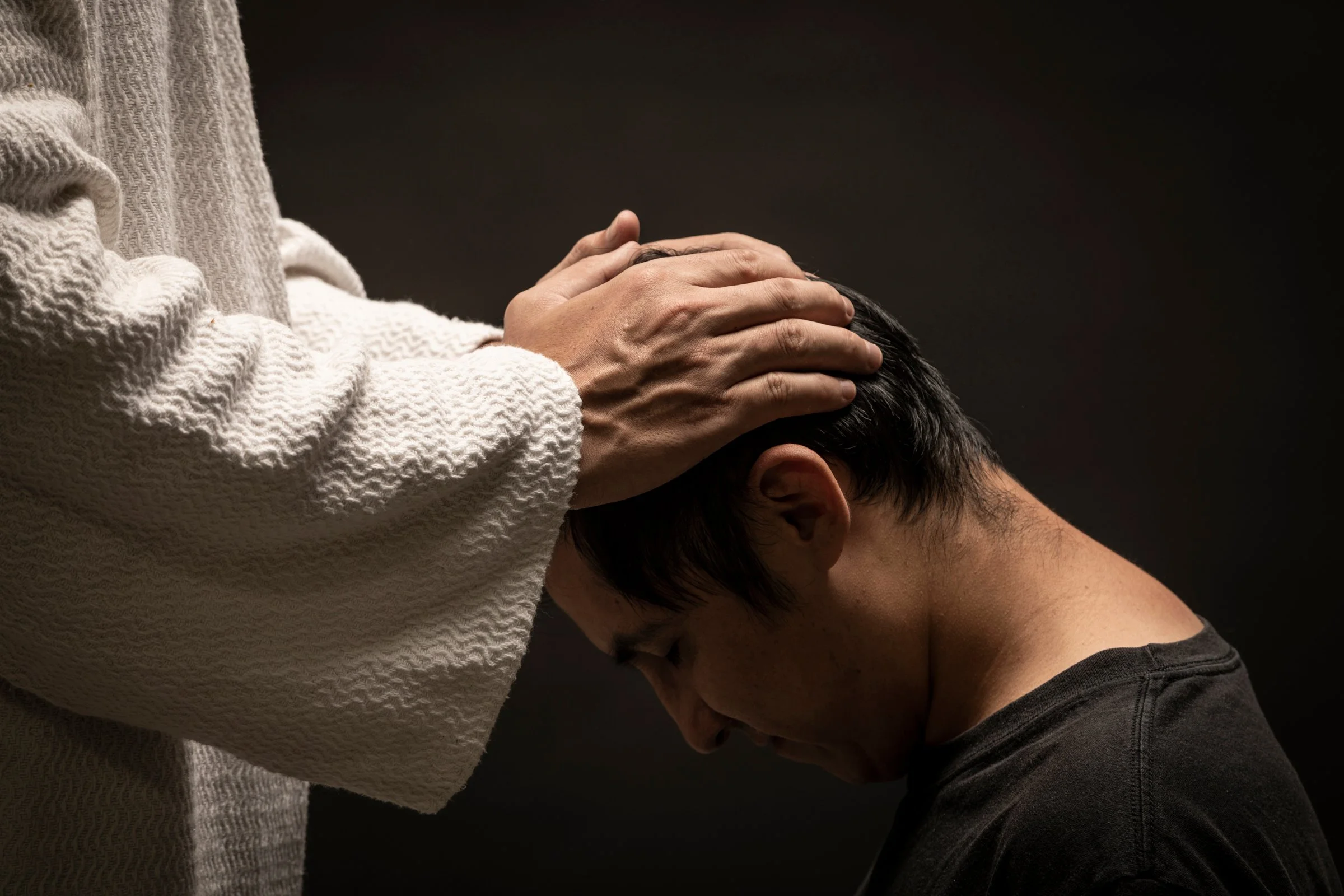
Jesus said: “My Father has been working until now, and I have been working” (John 5:17); “I must work the works of Him who sent Me while it is day; the night is coming when no one can work” (John 9:4). Christ’s work of salvation is evident. God Himself, in the Person of His only Son, visited the creation to redeem out of it a people for His own possession. But Christ is more than just our Savior. He is our Prophet, Priest, and King. Each of these in the Old Testament was anointed into their offices with oil, symbolic of the Holy Spirit.

Yeshua said: “I am the way, the truth, and the life. No one comes to the Father except through Me.” (John 14:6). Yeshua is the way to eternal life. That is clear. But what is the truth? Pontius Pilot, the governor of the Roman province of Judaea, asked Jesus the same question.
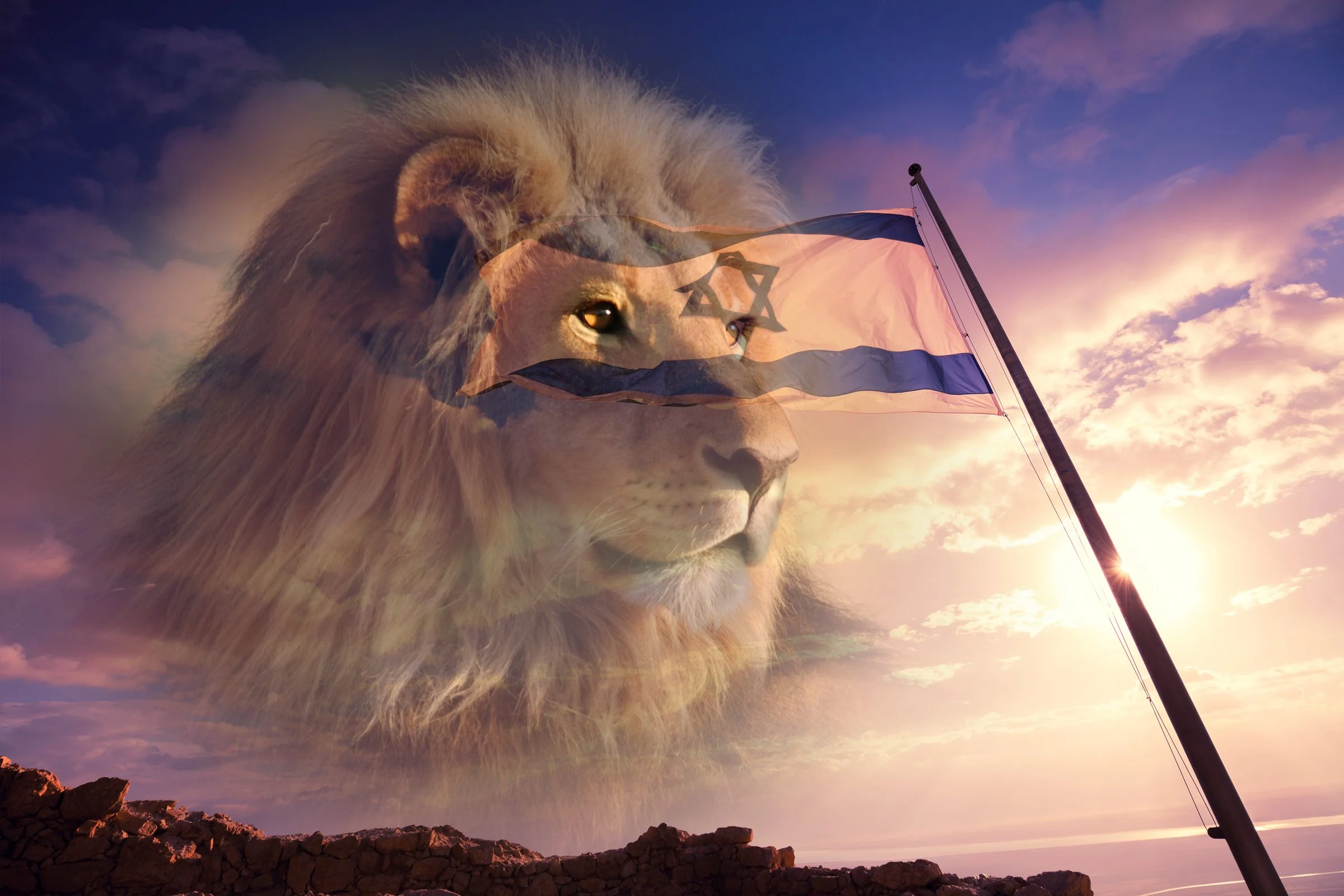
The term “Holy One of Israel” is used more than thirty times in the Bible. However, the English translation does not accurately convey the genuine meaning as seen in the Hebrew. In the English language, the words “one” and “of” added to the translation (הקדוש של ישראל). In Hebrew, on the other hand, it is written as “Holy Israel” (קדוש ישראל). The difference is rather significant.
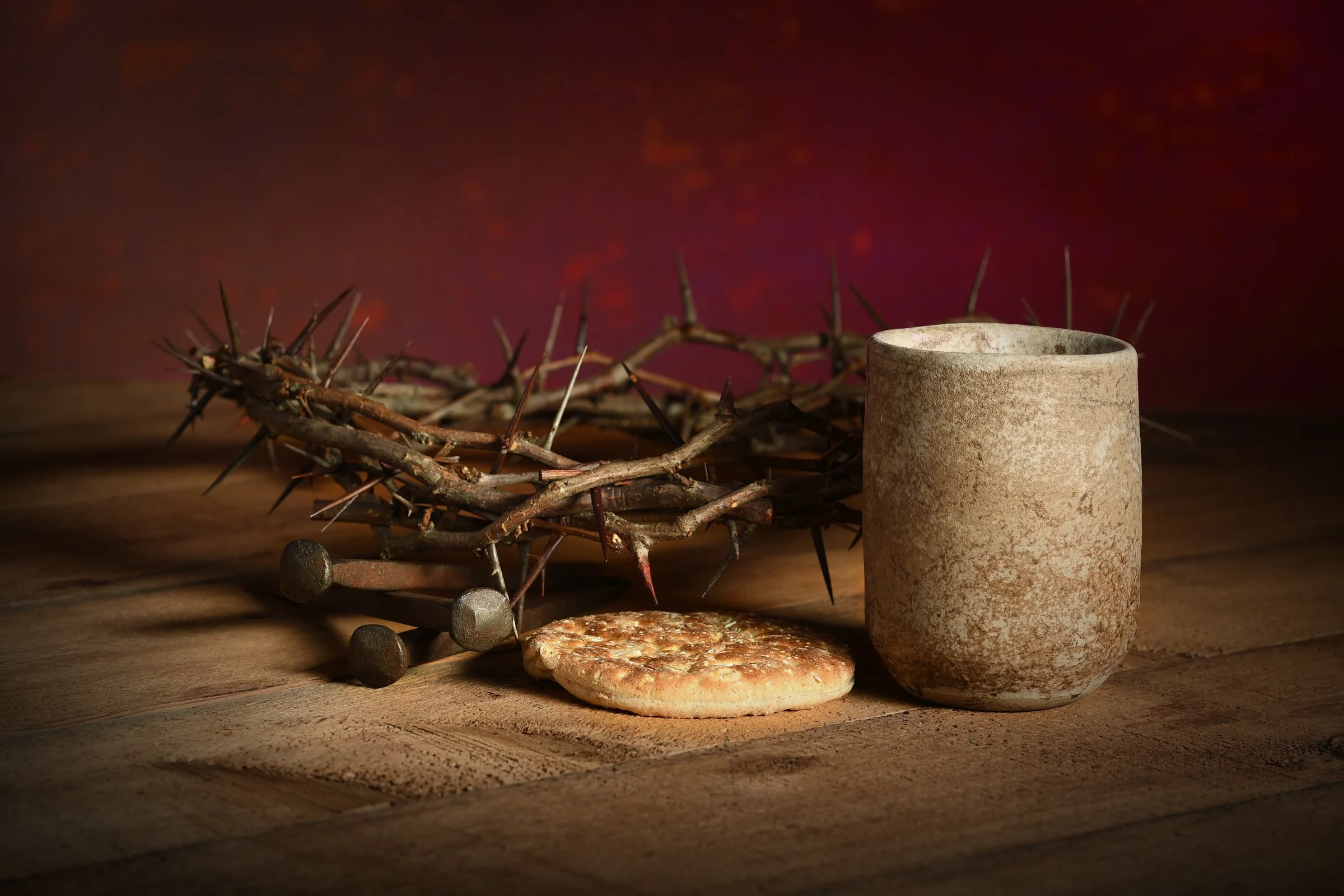
“And the Word became flesh and dwelt among us, and we beheld His glory, the glory as of the only begotten of the Father, full of grace and truth” (John 1:14, NKJV). This is probably one of the most popular verses in the New Testament, clearly pointing to Yeshua as the Divine Messiah; God in human form, manifest and revealed to the creation. However, what exactly did the Apostle John mean when he said, the word became flesh? In a general sense, the word is the bible. So, how does paper or parchment turn into living flesh? I think there more to understand here.

The term firstborn is used extensively throughout the Bible, and God makes it clear that He holds a unique interest and affection for those who are His firstborn, whether of man, plant, or the animal kingdom. It is written, “Then the Lord spoke to Moses, saying: ‘Now behold, I Myself have taken the Levites from among the children of Israel instead of every firstborn who opens the womb among the children of Israel. Therefore the Levites shall be Mine, because all the firstborn are Mine. On the day that I struck all the firstborn in the land of Egypt, I sanctified to Myself all the firstborn in Israel, both man and beast. They shall be Mine: I am the Lord’” (Numbers 3:11-13).

It is said by the Jewish rabbis that parents receive a glimmer of divine inspiration when they give their child a Hebrew name. We can clearly see evidence of this in scripture, “But while he thought about these things, behold, an angel of the Lord appeared to him in a dream, saying, ‘Joseph, son of David, do not be afraid to take to you Mary your wife, for that which is conceived in her is of the Holy Spirit. And she will bring forth a Son, and you shall call His name Jesus, for He will save His people from their sins’” (Matthew 1:20-21).
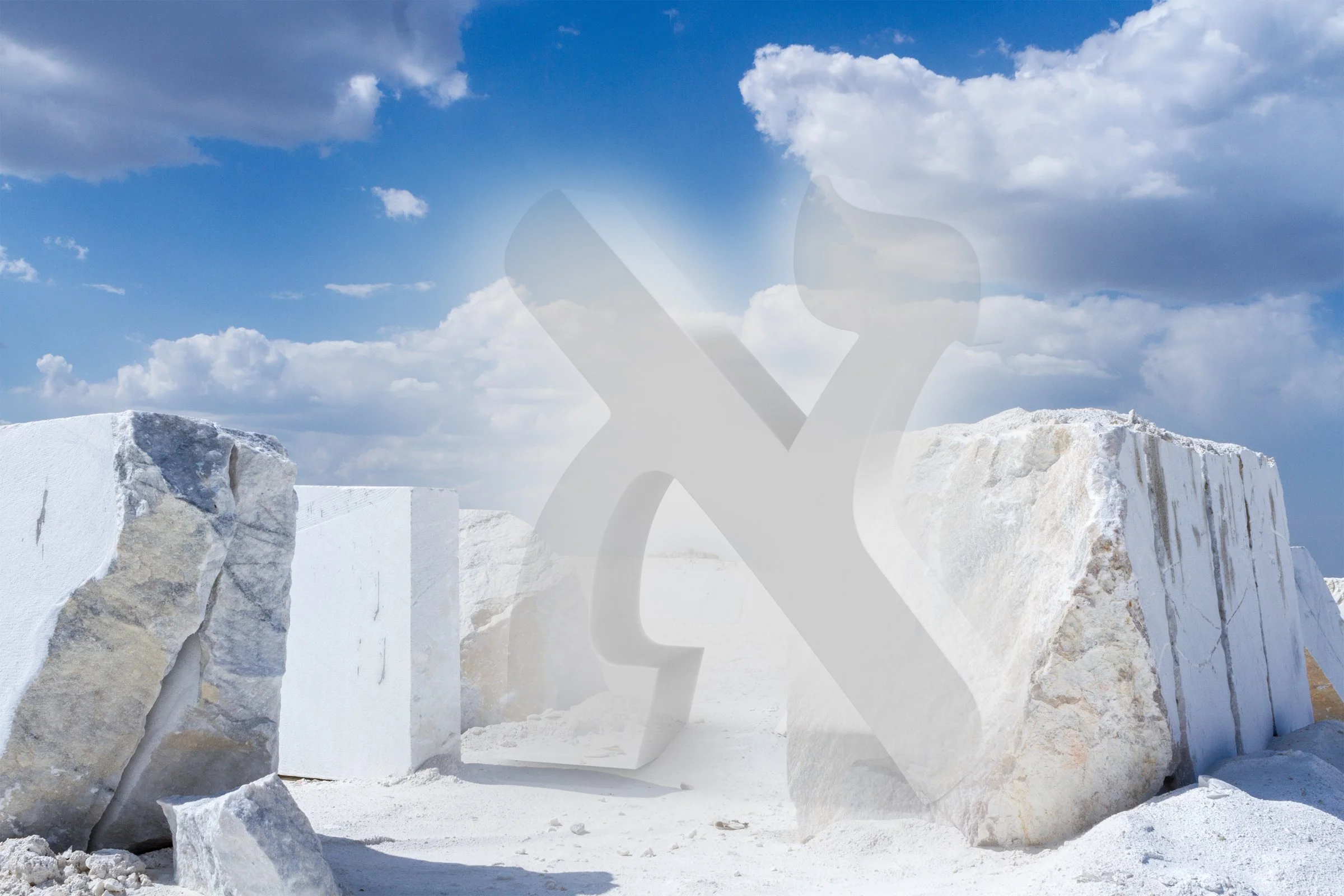
God created many languages, as it is written: “From these the coastland peoples of the Gentiles were separated into their lands, everyone according to his language, according to their families, into their nations” (Genesis 10:5). One of those languages was Aramaic. Aramaic is considered a special and unique language. Rabbi Moses Isserlis said that Aramaic has a semi-holiness that dates to Mount Sinai.

There is a growing hunger within the church to understand its Hebraic foundation, often call the Hebraic roots of the church. This does not imply in any way that gentile believers suddenly become Jewish, or that Jewish believers loose their ethnic and cultural identity in following Christ.

Yeshua said: “Every kingdom divided against itself is brought to desolation, and every city or house divided against itself will not stand. If Satan casts out Satan, he is divided against himself. How then will his kingdom stand?” (Matthew 12:25-26). Yeshua was speaking to the Jewish leaders in this verse, the Pharisees. But notice, He said, “every kingdom.” He was not just speaking of Israel.

Is God judging America? That is a good question, and the answer will depend on what you mean by judging. The definition of judgment is a divine sentence or decision, specifically a calamity held to be sent by God. This leads us to another question: Why would God do this, assuming He is even doing it at all? The answer to this question will also vary depending on our view of God’s character. Is God’s character benevolent or malevolent, meaning, is He disposed towards doing good, or is He disposed towards doing things that are hateful?
The story of David, an ordinary boy raised to extraordinary heights by an extraordinary God. The Son of Jesse, a simple shepherd boy chosen by God to be the King of Israel. And the only figure in the bible to be called: “A man after God’s own Heart.” In so many ways David is given to us as a type of Yeshua, a preeminence of Him to come.
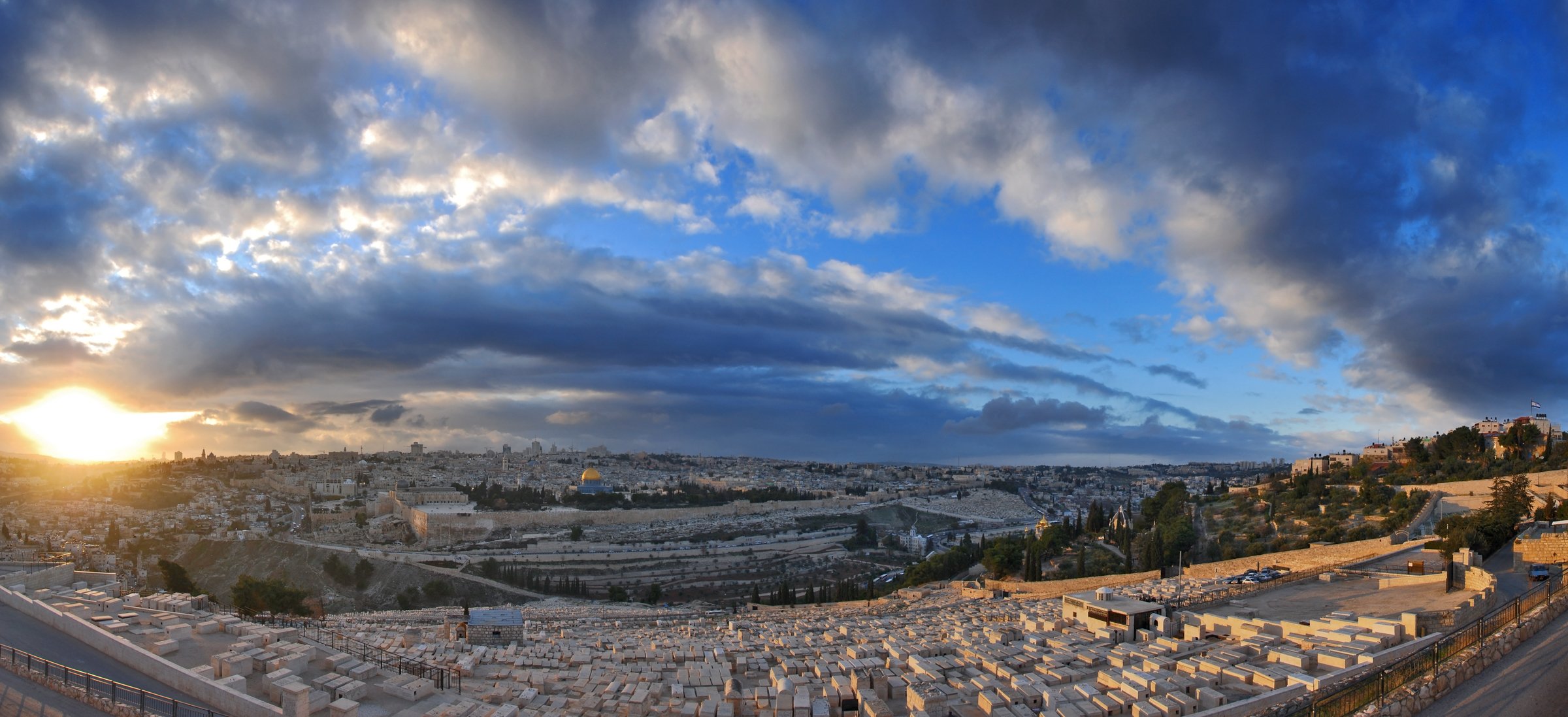
In Psalm 2, we read: “Ask of Me, and I will give You The nations for Your inheritance, And the ends of the earth for Your possession” (Psalm 2:8). It should be clear that the Father is speaking to the Son, for it says in the preceding verse, “Yet I have set My King On My holy hill of Zion. I will declare the decree: The Lord has said to Me, You are My Son, Today I have begotten You” (Psalm 2:6-7). Jesus, the Son of God, has been set upon the hill of Zion, which represents God’s Kingdom, and will physically establish His Kingdom from Mount Zion, in Jerusalem. He will take the nations for His inheritance and the ends of the earth for His possession.
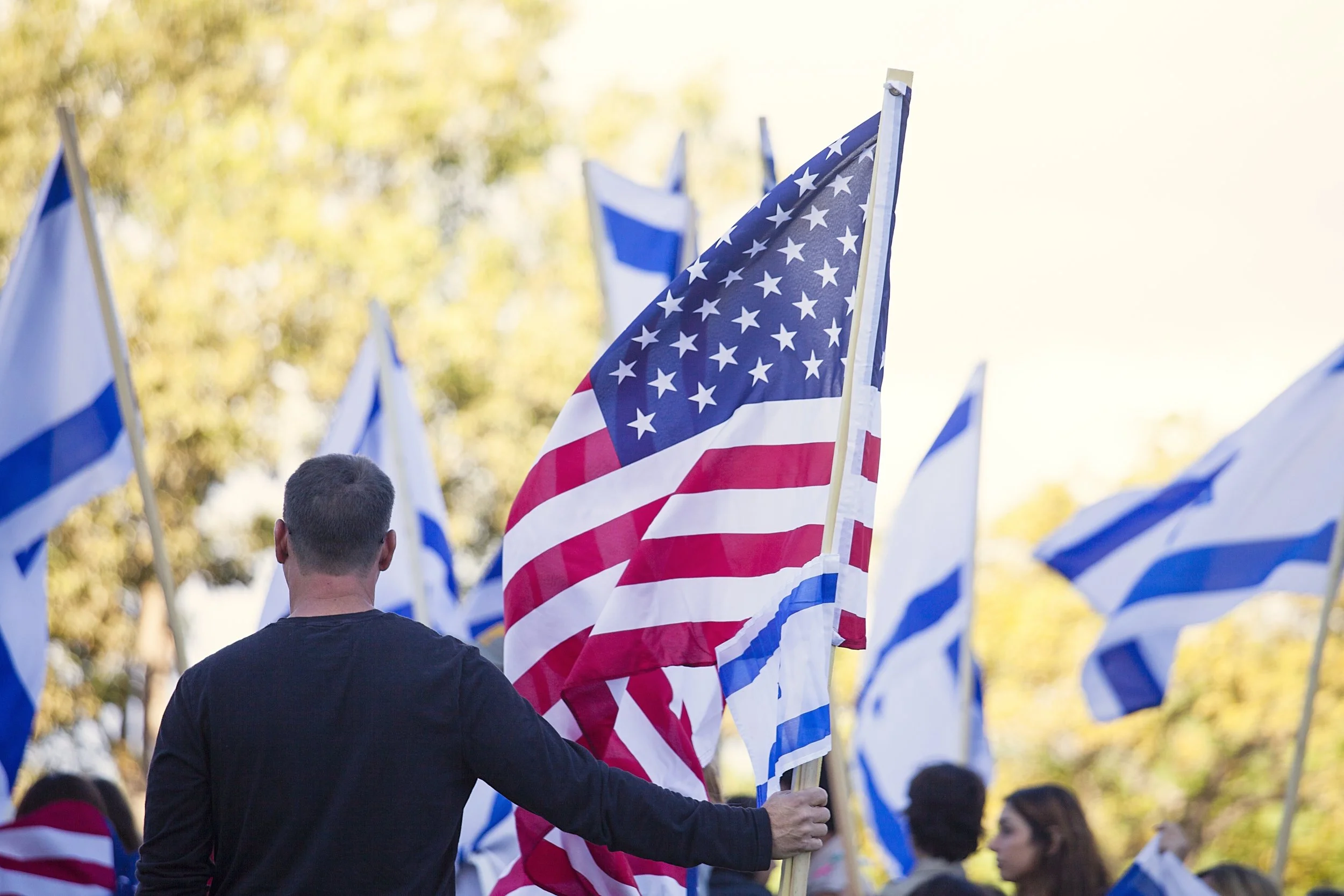
Before landing at Plymouth in 1620, the Pilgrims signed what is known as the Mayflower Compact, whereby they acknowledged God as the reason for their voyage. They stated that they were undertaking the journey for the Glory of God and the Advancement of the Christian Faith, and covenanted together to establish a civil government under God. The Puritans believed they were entering into a covenant with God, like that of ancient Israel.
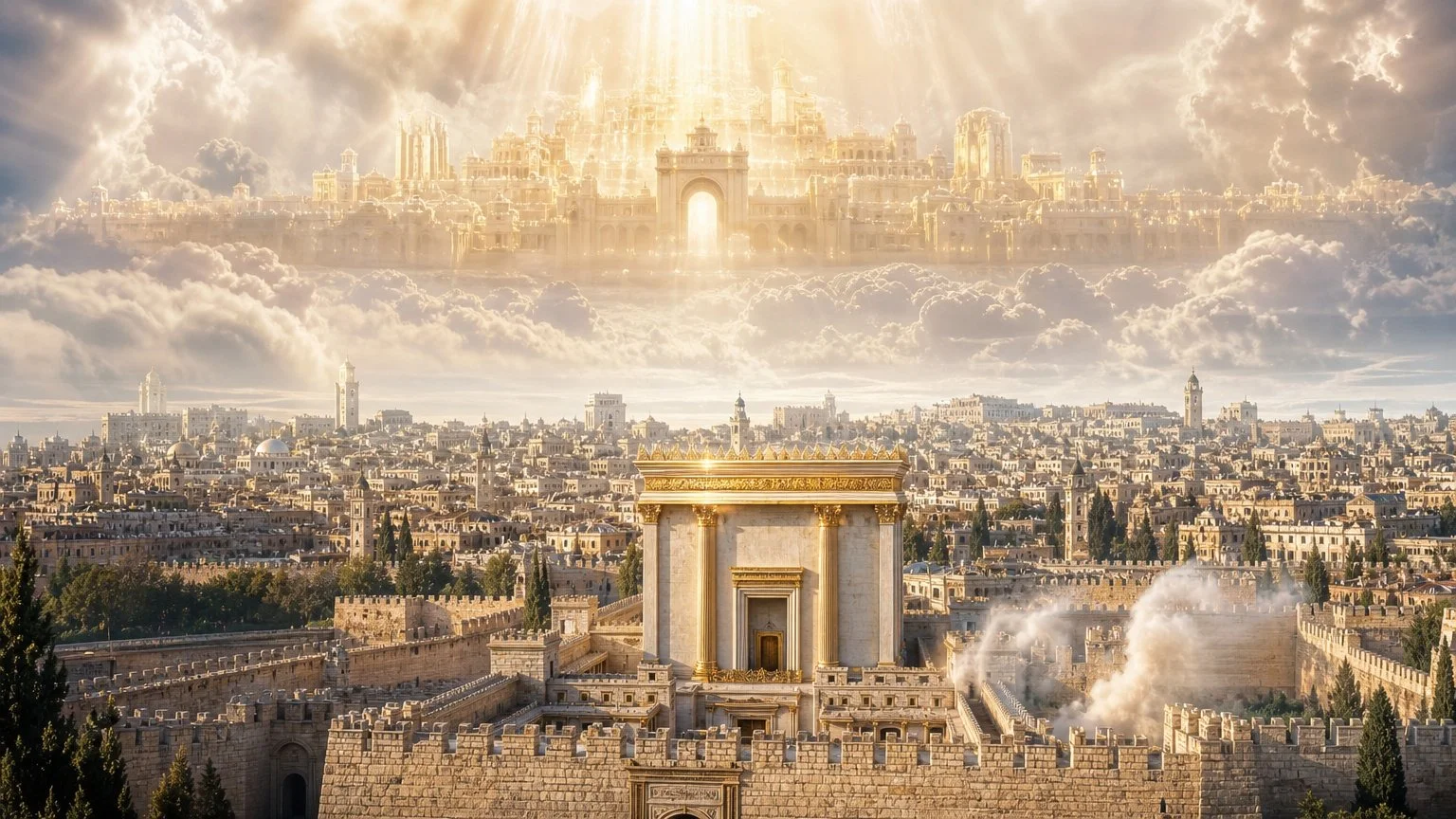
For nearly two thousand years, the church has wrestled over its identity with Israel. I say “identity” because, if we truly knew the inheritance the church has in Christ, we would not desire anything else. Paul said, “Indeed I also count all things loss for the excellence of the knowledge of Christ Jesus my Lord” (Philippians 3:8). Our failure to understand who we are in Christ will continue to lead to confusion and immeasurable conflict. Thus, it should not be surprising that the church is becoming increasingly divided over one of the most controversial theological issues since the Council in Jerusalem—the identity of Israel and the church.

The Beatitudes are a series of nine blessings that are part of a more extensive order of teachings, including the Lord’s Prayer, called “The Sermon on the Mount” (Matthew 5-7). The Beatitudes describe the virtues and attitudes of those who will inherit God’s Kingdom. The Latin beatitude derives from the Hebrew word ashrei (אֲשֶׁרִי), meaning blessedness or supreme happiness. Today, the Church of the Beatitudes is built on the traditional site where Jesus spoke.
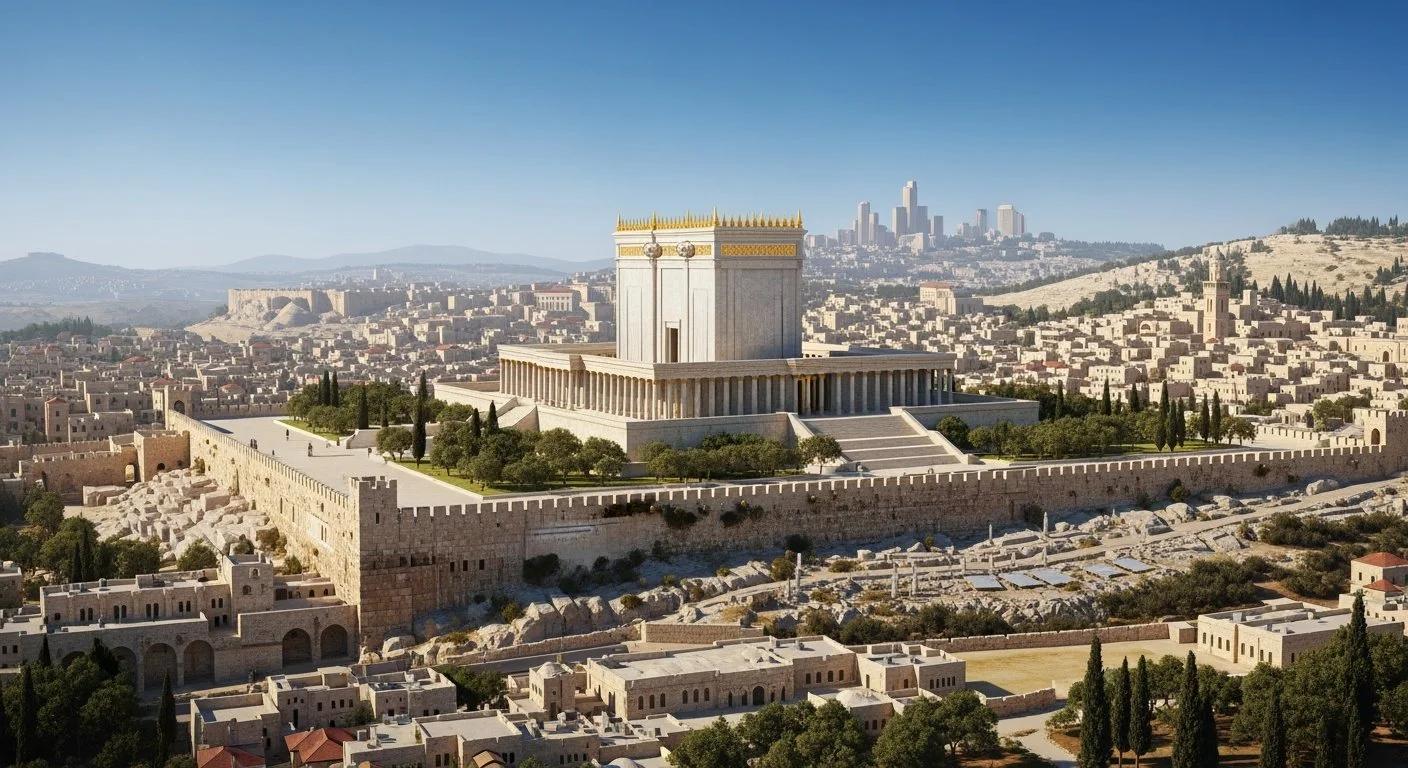
The return of Christ to establish His eternal Kingdom initiates an exciting time of restoration for much, but not all, of the earth. After the final battle of Armageddon, some places will never be inhabited again. We read, “It [Babylon] will never be inhabited, Nor will it be settled from generation to generation; Nor will the Arabian pitch tents there, Nor will the shepherds make their sheepfolds there” (Isaiah 13:20).

The Lord spoke to Jacob, saying, “Your name shall no longer be called Jacob, but Israel; for you have struggled with God and with men, and have prevailed” (Genesis 32:28). Here in Genesis, for the first time, we hear the name “Israel” given by God Himself to Jacob, the patriarch of twelve sons who would become the twelve tribes of Israel.

Yeshua ministered throughout all Judea, Samaria, and the Galilee, saying: “Repent, for the kingdom of heaven is at hand!” (Matthew 3:2). Was He inferring that the Kingdom of God had arrived and that we are now living in it? Not exactly.

The arrival of the Messiah and His death and resurrection is unquestionably the most significant event in human history. Jesus-Yeshua, the Son of God, was born of a woman conceived by the Holy Spirit. He lived a perfect and sinless life, and in God’s time, He gave His life to atone for the sins of humanity.

We read about the New Jerusalem: “And he showed me a pure river of water of life, clear as crystal, proceeding from the throne of God and of the Lamb. In the middle of its street, and on either side of the river, was the tree of life, which bore twelve fruits, each tree yielding its fruit every month. The leaves of the tree were for the healing of the nations” (Revelation 22:1-2).

“So Jesus said to them, “Because of your unbelief; for assuredly, I say to you, if you have faith as a mustard seed, you will say to this mountain, ‘Move from here to there,’ and it will move; and nothing will be impossible for you” (Matthew 17:20).
How many times have I read this verse conjuring up images of large mountains plunging into the ocean? Now, I have never seen this happen nor witnessed my prayers causing even a pebble to move out of place. Or have they?

The Bible tells that, "when the fullness of the time had come, God sent forth His Son, born of a woman, born under the law, to redeem those who were under the law, that we might receive the adoption as sons" (Galatians 4:4-5). This verse speaks to the First Advent of Christ. It also speaks to the redemption of Israel. But what about Christ's second Advent and Israel's final redemption?
I never expected to write about the gospel. And yet, I find myself needing to clarify the biblical gospel in the light of a rising movement, even within the church, trying to redefine what the Bible says about this subject.
If you search on the internet, you will quickly discover some of the many other gospels out there. There is a social gospel, also called social constructivism. There is the gospel of science, Christian humanism, and list goes on and on.

The first mention of the Jews in the Bible occurs in the second book of Kings, which describes the fall and captivity of Judah. “Now it came to pass in the ninth year of his reign, in the tenth month, on the tenth day of the month, that Nebuchadnezzar king of Babylon and all his army came against Jerusalem and encamped against it; and they built a siege wall against it all around. 2 So the city was besieged until the eleventh year of King Zedekiah” (2 Kings 25:1-2)
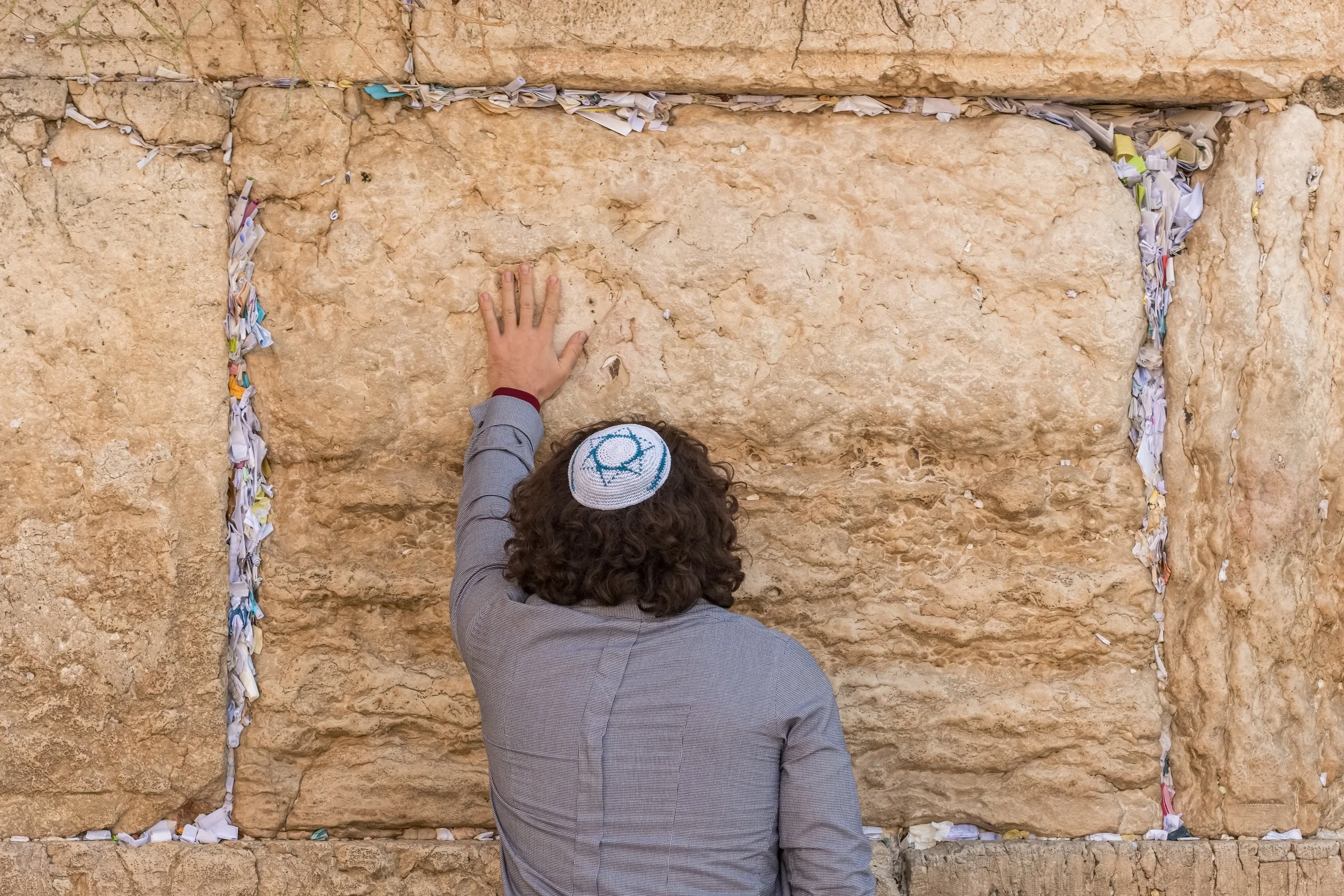
What is Zionism, or maybe a better question to ask is what Zion is? The first thing to understand is there is both a natural and spiritual component to God’s Kingdom. Let’s look at the natural first. Mount Zion, called Mount Moriah in the Bible is a ridge system located in Jerusalem. East of Mount Zion is the Mount of Olives. These north-south ridgelines are separated by the Kidron Valley. The Mount of Olives is where Jesus ascended to heaven and is the place where He is prophesied to return.

“Repent therefore and be converted, that your sins may be blotted out, so that times of refreshing may come from the presence of the Lord, and that He may send Jesus Christ, who was preached to you before, whom heaven must receive until the times of restoration of all things, which God has spoken by the mouth of all His holy prophets since the world began” (Acts 3:19-21, NKJV). There is much to understand from these three verses. We are going to focus on the last part, where it reads, “until the times of restoration of all things…”

Yeshua’s disciples came to him one day and asked: “What will be the sign of Your coming, and of the end of the age?” (Matthew 24:3). Yeshua then began to tell His disciples about all the difficult things that would happen at the end of the age, especially to the nation of Israel—deception, wars, famines, pestilences, earthquakes, and more. Then He said, “All these are the beginning of sorrows” (Matthew 24:8), but the end would not come immediately.

“Now it shall come to pass in the latter [last] days that the mountain of the Lord’s house shall be established on the top of the mountains, and shall be exalted above the hills; and all nations shall flow to it. Many people shall come and say, ‘Come, and let us go up to the mountain [Kingdom] of the Lord, to the house of the God of Jacob [Israel]; He will teach us His ways, and we shall walk in His paths.’ For out of Zion shall go forth the law, and the word of the Lord from Jerusalem” (Isaiah 2:2-3, NKJV).

“There is a way that seems right to a man, But its end is the way of death” (Proverbs 14:12 & 16:25, NKJV). Yeshua affirmed this when He said, “Enter by the narrow gate; for wide is the gate and broad is the way that leads to destruction, and there are many who go in by it. Because narrow is the gate and difficult is the way which leads to life, and there are few who find it” (Matthew 7:13-14).

On Friday, January 20, 2017, my son and I attended the inauguration for President Donald John Trump. Truth be told, I would have preferred to watch it from the warmth and comfort of my living room, and with our new high definition television, the details of the ceremony would have been far more visible. Still I felt there would be something magical about actually being there.
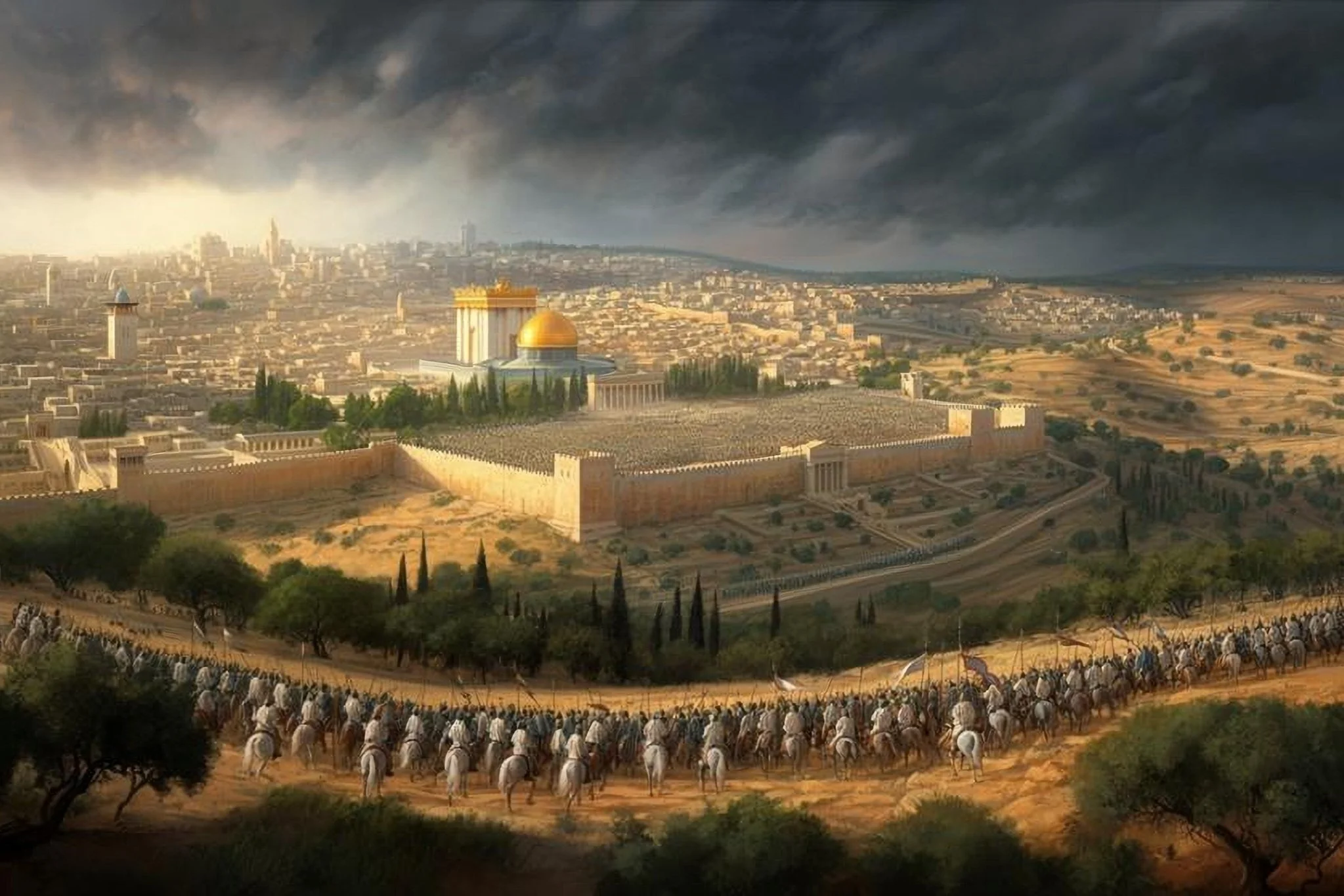
God’s judgments are punitive, but they are also redemptive, particularly for Israel. We read, “The Lord is not slack concerning His promise, as some count slackness, but is longsuffering toward us, not willing that any should perish but that all should come to repentance” (2 Peter 3:9); “For I am with you,’ says the Lord, ‘to save you; Though I make a full end of all nations where I have scattered you, Yet I will not make a complete end of you. But I will correct you in justice, And will not let you go altogether unpunished” (Jeremiah 30:11).
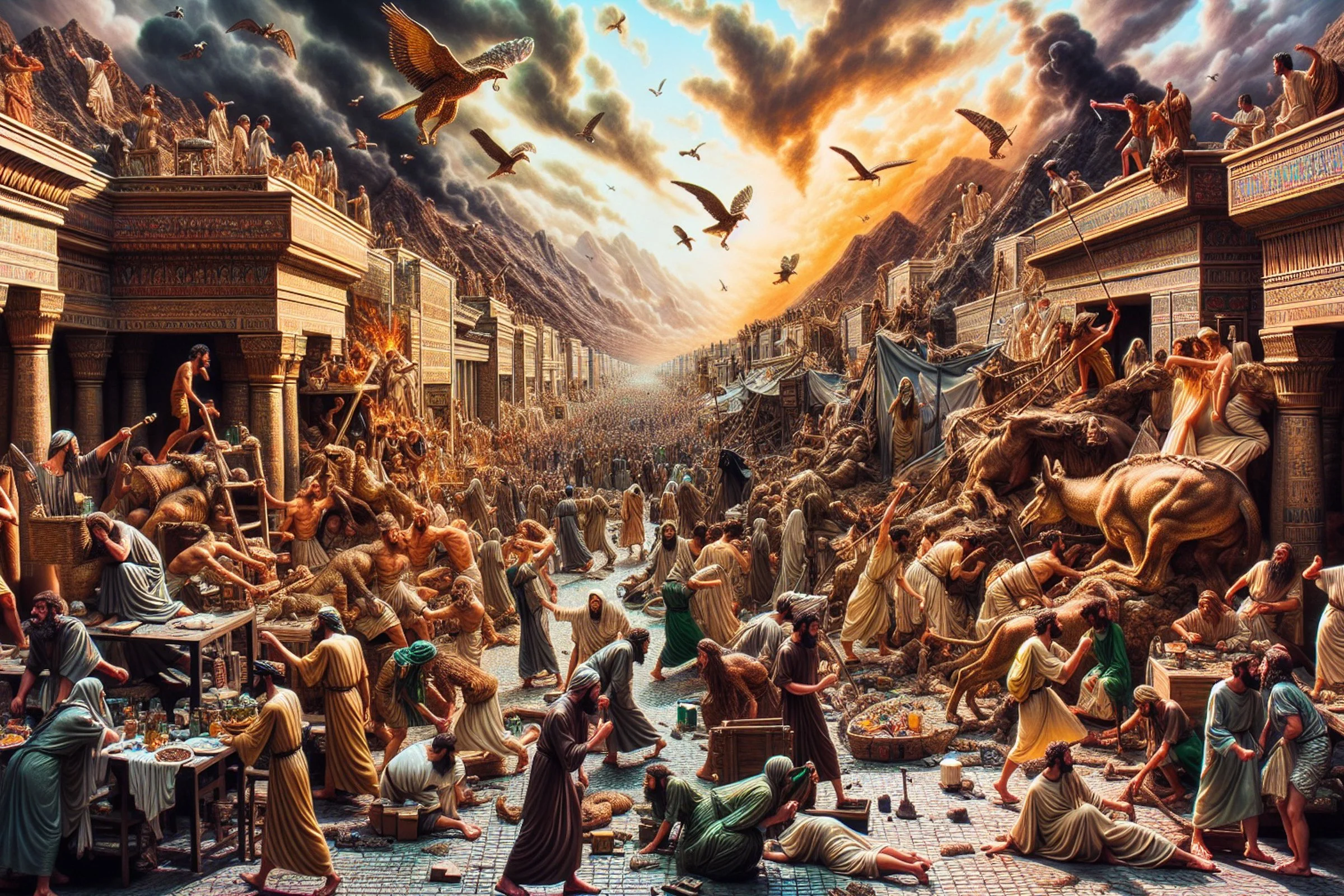
The Book of Daniel gives us the timeframe for the tribulation—seven years. However, Revelation provides considerable detail and specificity about what will occur during this period. Some chapters in the Book of Revelation are parenthetical, providing a broader timeframe for more detailed events. For example, Revelation chapter twelve provides an overview of Israel’s struggle with Satan for the past two thousand years, beginning with the birth of Christ and culminating in the time of Jacob’s trouble. Another example is in chapter thirteen, where we read about the rise of the Antichrist (the beast from the sea) and the false prophet (the beast from the earth). This chapter provides more detailed information about the kingdom of the Antichrist, revealed earlier in chapter six, which begins in the first year of the tribulation. Therefore, recognizing these parenthetical chapters is essential to interpreting the prophetic timeline.

The seventieth week of Daniel is divided into two periods of three and one-half years.[i] We can associate eschatological prophecies from this mid-point with explicit signs of the seven-year tribulation called out in Revelation. We read, “Then he shall confirm a covenant with many for one week; But in the middle of the week He shall bring an end to sacrifice and offering. And on the wing of abominations shall be one who makes desolate, Even until the consummation, which is determined, Is poured out on the desolate” (Daniel 9:27).

The Thessalonian church believed the tribulation had already begun, and considering the immense persecution they were experiencing, it is not surprising they thought so. However, Paul corrected them, saying, “Let no one deceive you by any means; for that Day will not come unless the falling away comes first, and the man of sin is revealed, the son of perdition” (2 Thessalonians 2:3). The man of sin is also called “the lawless one.” Jesus said, “Because lawlessness will abound, the love of many will grow cold” (Matthew 24:12). While the world has seemingly been increasing in lawlessness, Jesus also said, “And this gospel of the kingdom will be preached in all the world as a witness to all the nations, and then the end will come” (Matthew 24:14).

The disciples came to Jesus privately and asked: What will be the sign of Your coming, and of the end of the age? Jesus responded by quoting the prophets, saying, “Immediately after the tribulation of those days the sun will be darkened, and the moon will not give its light; the stars will fall from heaven, and the powers of the heavens will be shaken” (Matthew 24:29). Notice, He said these signs in the heavens would occur after the tribulation, not before it. The word “tribulation” is used in scripture to describe the trials and persecution of believers in this world. But it also pertains to a seven-year period of God’s final dealing with Israel’s rebellion and His judgment against the nations, culminating with the destruction of the Antichrist and the armies who follow him. God will also judge the prince of this world, Satan, and all the wicked principalities of this evil age.

The term “eschatology” comes from the Greek eschatos, meaning “last,” and logos, meaning “subject matter.”[i] Therefore, eschatology is the doctrinal study of prophetic events in this present age that will be fulfilled in the last days leading up to the return of Christ. It also includes events that will occur in the age to come after Christ’s return, including the Millennium, the final “great white throne of judgment,” the New Jerusalem, and the new heaven and earth. Prophecy in this study deals with predicted future events given to Israel, many of which were fulfilled at Christ’s First Advent, and all remaining predictions that will be fulfilled at His Second Advent. We read in Daniel, “Seventy weeks are determined For your people and for your holy city… To seal up vision and prophecy…” (Daniel 9:24). When the One who was predicted to come, Jesus, has returned to dwell with His people, there is no longer a need for predictions. All predictions will have been fulfilled, and all visions and prophecies will be sealed forever.

The word Edom in Hebrew means “red.” The Bible relates this name to Esau, the elder son of the Hebrew patriarch Isaac and the brother of Jacob—later named Israel. Esau became the father of the Edomites and other nations, including Amalek. The Edomites primarily inhabited the area of Mount Seir. This mountainous region, situated in modern-day Jordan, stretches along the eastern flanks of the Jordan Valley from the Dead Sea southward towards the Gulf of Aqaba.

Are we seeing the end of the age, the days immediately before the tribulation and the return of Christ? Quite possibly. Previous generations thought they were living at the end, saying, “Look at all these wars and horrific events taking place. Certainly, the end is upon us.” And when Jesus did not return as expected, scoffers arose to criticize the church. So what has changed in this generation? We will find out.

We read in Jeremiah: “Flee from the midst of Babylon, and every one save his life! Do not be cut off in her iniquity, for this is the time of the Lord’s vengeance; He shall recompense her” (Jeremiah 51:6).

There has been much written about why the Lord gave Israel laws separating the clean from unclean, the holy from the unholy, generally categorized in Judaism as the “laws of Kashrut.” Interesting, the Lord’s categorization predates the Mosaic Law, as it is written, “You [Noah] shall take with you seven each of every clean animal, a male and his female; two each of animals that are unclean, a male and his female” (Genesis 7:2, NKJV).
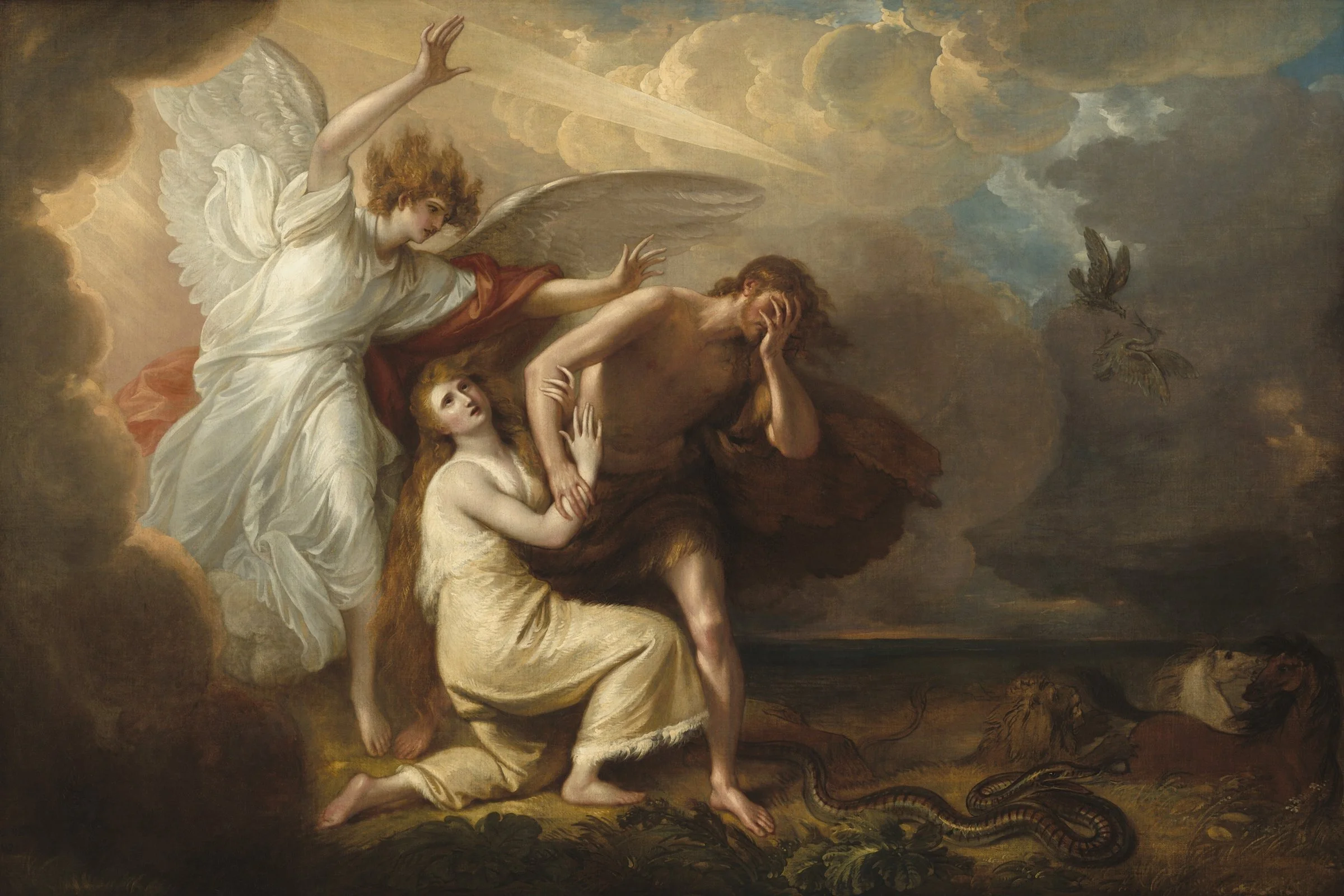
Theologians often discuss the condition of man in the Garden of Eden before the fall. God is all-knowing, so why did He place the tree of knowledge of good and evil in the garden if He foreknew that man would eat of it? It would seem that God had a purpose for this primitive condition.

The first Hebrew word in the Bible is Be-reisheet. This word signifies the very act of creation—God brought “being” into existence from “non-being,” something from nothing. In the beginning (Be-reisheet), the Lord God made all things perfect. Each living organism on earth was divinely planned and woven into the most remarkable fabric of creation, a living tapestry of God’s artwork. Every detail, carefully and methodically executed by the wisdom of God, for a creation without wisdom would be chaos.

It is written, “The LORD God formed man of the dust of the ground, and breathed into his nostrils the breath of life [nishmat chaim]; and man became a living being [in Hebrew a living soul—Nefesh Chaya]” (Genesis 2:7). Thus, God created man in His image, male and female He created us. We are therefore complex beings comprised of a body formed by the hand of God and made from the dust of the earth, and a soul, a spirit that God breathed into us. While certain basic instincts and emotions chemically derive from our physical bodies, our God-breathed souls contain the more profound essence of who we are. For this reason, we are not like any other creature.

As a civil engineer, I was never interested in ministry but only in pursuing my career goals. However, the Lord had other plans for my life. If I have learned anything in my relatively short walk with the Lord, it is that His ways are not only different than ours but are most often opposite ours.

“For I could wish that I myself were accursed from Christ [Yeshua] for my brethren, my countrymen according to the flesh, who are Israelites, to whom pertain the adoption, the glory, the covenants, the giving of the law, the service of God, and the promises; of whom are the fathers and from whom, according to the flesh, Christ came, who is over all, the eternally blessed God. Amen” (Romans 9:3-5).

The year was 2002, and our family was living in Merrimack, New Hampshire. We began attending a conservative Baptist Church just down the street, a traditional New England church building with a white steeple and bell tower.
I was a new believer in Jesus, but I was confused about Christianity. Did my Jewish heritage mean anything? After all, I knew that Jesus was a Jewish man. And wasn’t His actual name Joshua, pronounced Yehoshua in Hebrew?

We read, “Now it came to pass, as [Jesus] was praying in a certain place, when He ceased, that one of His disciples said to Him, ‘Lord, teach us to pray, as John also taught his disciples’” (Luke 11:1). Jesus’s response has come to be known as “the Lord’s prayer.” A beautiful declaration that begins with the joy of our heavenly Father, praying for God’s soon-coming Kingdom, asking Him for our daily provision and protection, and closing with an acknowledgment of God’s sovereign Kingdom, His power, and glory. Matthew gives a more extended version of this prayer that Jesus gave as part of the Sermon on the Mount, traditionally believed to be a hill (called the Mount of Beatitudes) near Capernaum on the northern shore of the Sea of Galilee.
I am often asked: “How do I pray for Israel and the Jewish people?” The other question often asked is: “How do I provoke Israel to jealousy?” These are great questions, and the answers are in fact rather simple.
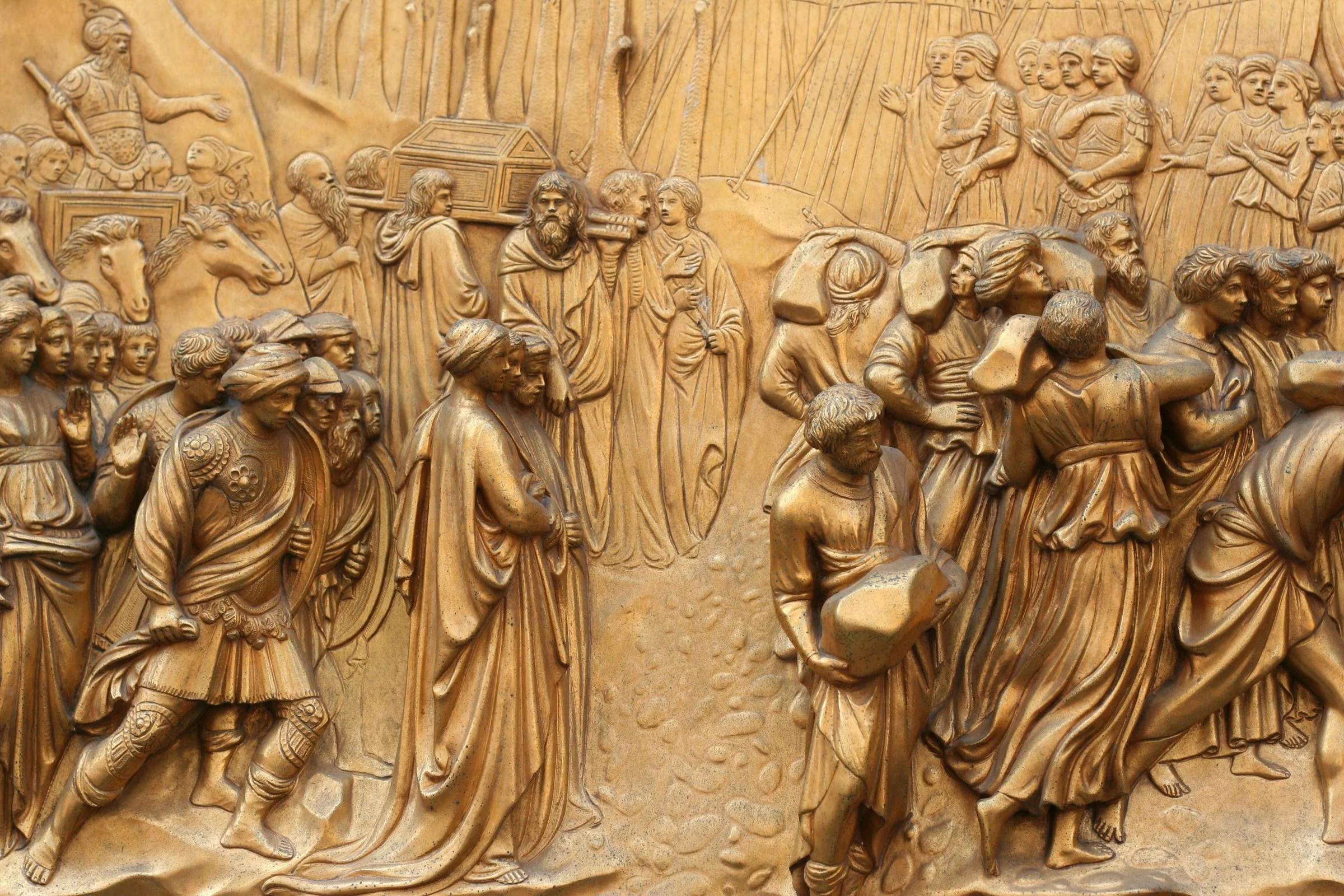
In Christian circles, we hear much about God’s covenant with King David. After all, Yeshua is called the King of Kings. However, there is little mention of God’s eternal covenant with Levi and his descendants through Aaron, the first High Priest of Israel after Moses. To further complicate things, Christology has adopted another form of supersessionism regarding the Levitical priesthood, presuming that, somehow, Christ has done away with Aaron’s priesthood, and replaced it with a new one for the church that follows a different order—called “the order of Melchizedek.”

We all know the story of Abraham, how he took his only son Isaac to Jerusalem and was prepared to offer him as a burnt offering to the Lord on Mount Moriah. They traveled for three days until Abraham saw the place in the distance. As he and his son carried the wood and fire for the sacrifice, Isaac asked his father a question:
“My Father? Look, the fire and the wood, but where is the lamb for a burnt offering?” Abraham responded: “My son, God will provide for Himself the lamb for a burnt offering” (Genesis 22:7-8).

“Now the word of the Lord came to Jonah the son of Amittai, saying, ‘Arise, go to Nineveh, that great city, and cry out against it; for their wickedness has come up before Me.’ But Jonah arose to flee to Tarshish from the presence of the Lord. He went down to Joppa, and found a ship going to Tarshish; so he paid the fare, and went down into it, to go with them to Tarshish from the presence of the Lord” (Jonah 1:1-3, NKJV).

The Bible tells us that the spirit of prophecy is the testimony of Jesus Christ. Jesus further spoke that if we searched the scriptures, we would find they entirely testify of Him. Therefore, every dream or every vision that is truly from the Lord, and every word uttered by the power of the Holy Spirit must also correlate with scripture, and therefore, must also point to Jesus. If not, it is a false prophecy.
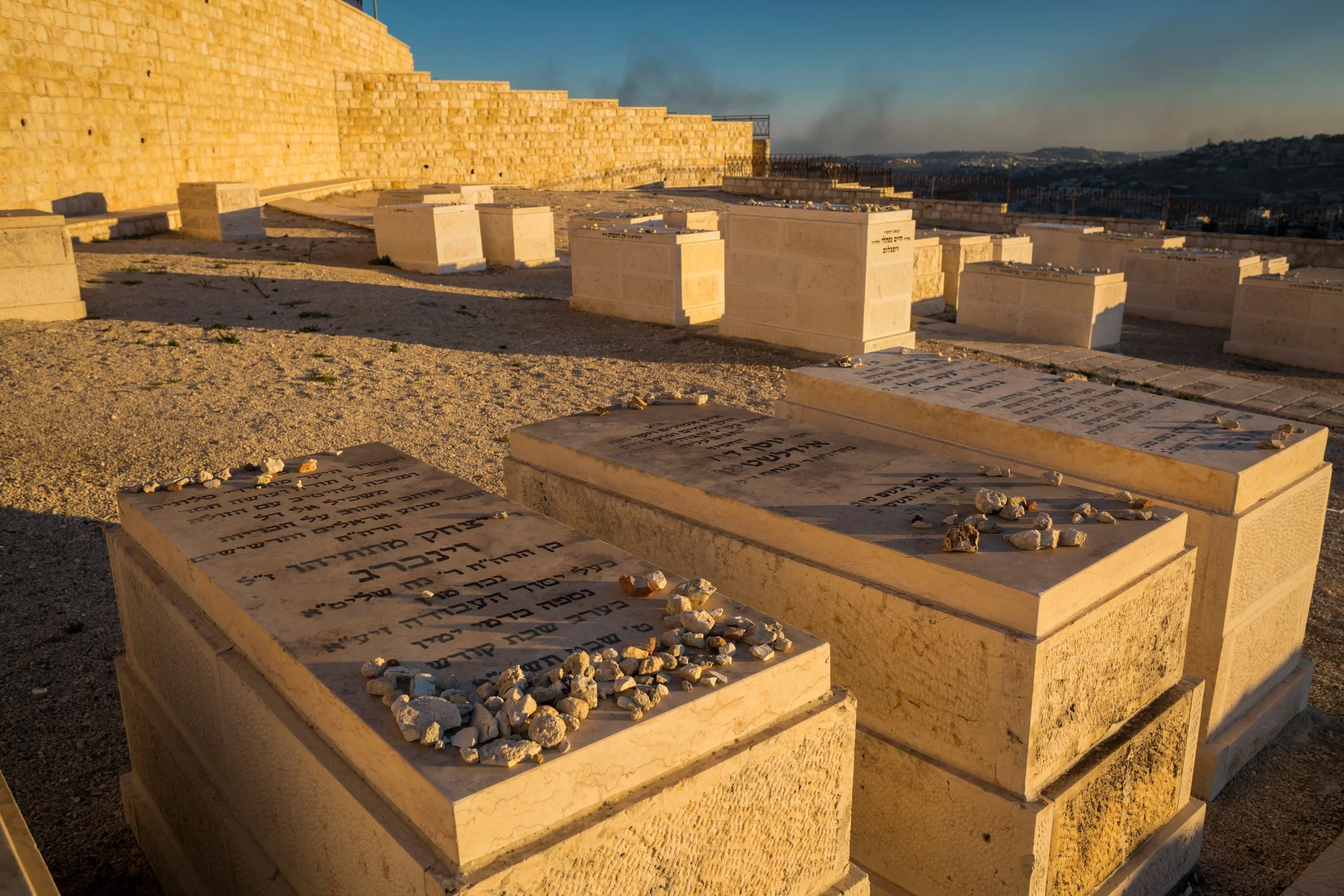
The Apostle Paul said, “Behold, I tell you a mystery: We shall not all sleep, but we shall all be changed—in a moment, in the twinkling of an eye, at the last trumpet. For the trumpet will sound, and the dead will be raised incorruptible, and we shall be changed. (1 Corinthians 15:51-52); “For the Lord Himself will descend from heaven with a shout, with the voice of an archangel, and with the trumpet of God. And the dead in Christ will rise first. Then we who are alive and remain shall be caught up together with them in the clouds to meet the Lord in the air. And thus we shall always be with the Lord” (1 Thessalonians 4:16-17).

The Apostle Paul told the church, “Behold, I tell you a mystery: We shall not all sleep, but we shall all be changed—in a moment, in the twinkling of an eye, at the last trumpet. For the trumpet will sound, and the dead will be raised incorruptible, and we shall be changed” (1 Corinthians 15:51-52).

The following is a pre-tribulation apologetics response to commonly asked questions about the general timing of the rapture of the church. A very Hebrew reply is a discussion framed around questions. Is the rapture pre-tribulation, middle, or post-tribulation? That is the fundamental question this white paper seeks to answer. It is stated in response to these frequent questions and attempts to explain through validation with scripture. Stitching together Old and New Testament prophecies is challenging, mainly because they are not spoken chronologically. Time is necessary to confirm the fulfillment of prophecy.
The Apostle Paul said, “Behold, I tell you a mystery: We shall not all sleep, but we shall all be changed—in a moment, in the twinkling of an eye, at the last trumpet. For the trumpet will sound, and the dead will be raised incorruptible, and we shall be changed. (1 Corinthians 15:51-52); “For the Lord Himself will descend from heaven with a shout, with the voice of an archangel, and with the trumpet of God. And the dead in Christ will rise first. Then we who are alive and remain shall be caught up together with them in the clouds to meet the Lord in the air. And thus we shall always be with the Lord” (1 Thessalonians 4:16-17).
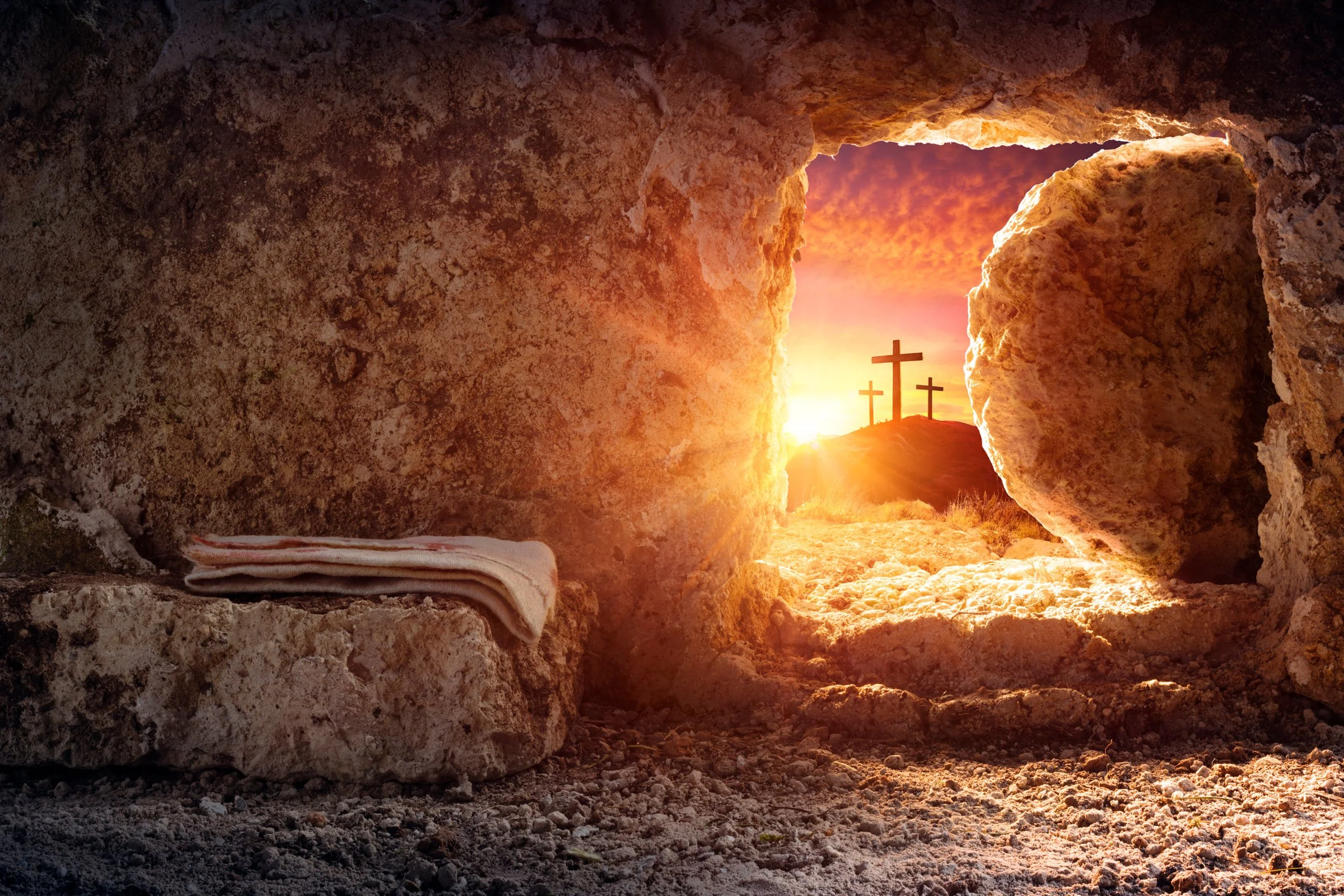
The idea of a bodily resurrection is a longstanding belief in Judaism, and there are multiple accounts in the Old and New Testaments. Elijah raised the son of Zarephath and the son of the Shunammite woman. Later, a man rose from the dead when his body touched Elisha’s bones. Jesus raised the son of the widow of Nain, the daughter of Jairus, and Lazarus from the dead. And in the Book of Acts, we read that Paul raised Eutychus from the dead. Even in recent history, we have heard stories of people who died and came back to life.

In Paul’s first letter to the Corinthians, he talks about the physical resurrection of the body— “[For] Christ died for our sins according to the Scriptures, and that He was buried, and that He rose again the third day according to the Scriptures, and that He was seen by Cephas, then by the twelve. After that He was seen by over five hundred brethren at once, of whom the greater part remain to the present, but some have fallen asleep. After that He was seen by James, then by all the apostles. Then last of all He was seen by me also, as by one born out of due time” (1 Corinthians 15:3-8, NKJV). Paul’s evidence lay in the accounts of more than five-hundred credible witnesses.

The assurance and security of the believer are essential to understand, and there are widely varying theological positions on the issue. But the assurance of our salvation provides the foundation and stability to our lives, removing doubt and uncertainty and deepening our faith and trust in the Lord. It enables us to enjoy an uplifting and rewarding prayer life, again trusting Him no matter what the current circumstances look like because we have an eternal promise of salvation. It gives us power over the fallen nature, temptations of the flesh, and the spirits of darkness that work against us, knowing that our lives are hidden with God in Christ. And it provides us with the strength to share our testimony of salvation and influence others with the Gospel, even in the face of adversity and persecution.

Several aspects of sanctification are important to Christians. The primary meaning, which occurs at the moment of our salvation, is the dedication, consecration, and setting apart of the Christian for the holy work of God. And the secondary meaning of sanctification is the cleansing and purging of all moral defilement, which is an ongoing, progressive experience for the believer. Lastly, the complete and final sanctification occurs when Jesus returns, and we are delivered from our old sinful nature into a resurrected eternal, incorruptible body.

Adoption as a doctrine is not frequently discussed but is important for the believer to understand. The scriptures speak of adoption as both a present and future condition of the believer, the future inferring the return of Christ and our resurrection. Paul said, “We also who have the firstfruits of the Spirit, even we ourselves groan within ourselves, eagerly waiting for the adoption, the redemption of our body” (Romans 8:23); “Having predestined us to adoption as sons by Jesus Christ to Himself, according to the good pleasure of His will” (Ephesians 1:5).

One of the most critical verses we find in scripture is in Jesus’ conversation with Nicodemus. Jesus told him, “Most assuredly, I say to you, unless one is born again, he cannot see the kingdom of God” (John 3:3). Being born again is undeniably essential for our salvation. But what exactly is our new birth?

Justification and regeneration are closely related doctrines. Regeneration occurs in believers' hearts when they receive Christ and become “born again.” It refers to an impartation of life and is God’s answer to the problem of sin and spiritual death. In comparison, justification by faith is the foundational truth of God’s provision of salvation. Justification is often misunderstood but is one of the profound truths of God’s salvific plan restored to the church from the Protestant Reformation.
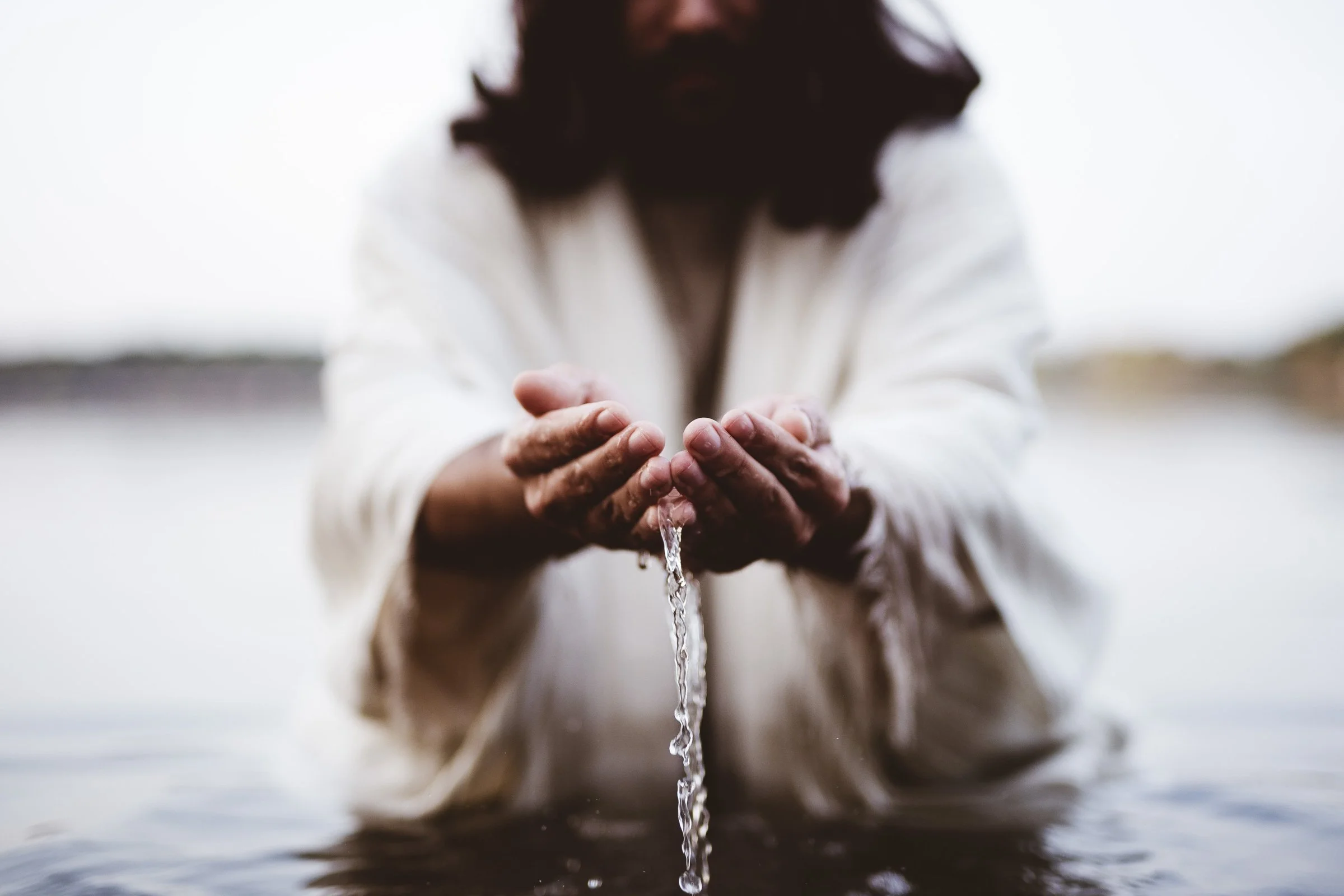
Christ's death, burial, resurrection, and ascension reveal many purposes in God’s unfolding restoration of humanity and His creation. God entered this world in the likeness of human flesh and the person of the Holy Spirit to bring about man’s complete rebirth and transformation. God’s provisions for us include election, repentance, faith, justification, regeneration, adoption, sanctification, assurance, and security. Christ is Lord and King over all, but without royal subjects to govern, there is no King, and there can be no Kingdom.

The word “salvation” in Greek, Soteriology, is derived from two Greek words, Soteria, meaning salvation, and logos, meaning “word, discourse, or doctrine.” Having studied the infinite holy nature of God and the fallen, depraved nature of man, only God could bridge the gap between Himself and His creation. As Jesus said, “With men this is impossible, but with God all things are possible” (Mathew 19:26).

On the Day of Pentecost, Peter declared: “And it shall come to pass in the last days, says God, That I will pour out of My Spirit on all flesh; Your sons and your daughters shall prophesy, Your young men shall see visions, Your old men shall dream dreams” (Acts 2:17). He was quoting the book of Joel verbatim.

It is written, “Righteousness and justice are the foundation of Your throne; Mercy and truth go before Your face” (Psalm 89:14). Reading this verse makes me feel like I am standing in a court of law. We are— “I charge you therefore before God and the Lord Jesus Christ, who will judge the living and the dead at His appearing and His kingdom” (2 Timothy 4:1).

The Lord has shown me that we are a generation that will prepare the earth for His return. There will be great trials but also a harvest. Although we may not see it now, what we sow in the Spirit of our heavenly Father will have an eternal purpose and build a foundation of righteousness upon which Christ will establish His eternal kingdom. We are merely forerunners and messengers and must remember that it is His kingdom, and He will create it.

To understand the imputation of sin, we must first recognize what is meant by “original sin,” the first sin of Adam, and the subsequent sinful nature inherited by every person because of his transgression. Our sinful nature is called depravity and consists of four things that are true of every man and woman ever born:
We are void of original righteousness.
We do not possess any holy affection toward God.
The depraved nature is within our hearts.
We have a continuous bias towards rebellion and evil.

There are many expressions in the Bible that define sin. Some include: missing the mark or aim, overpassing or trespassing of a line (to transgress), disobedience to a voice, falling where one should have stood upright, ignorance of what one ought to have known, diminishing of that which should have been rendered in full measure, non-observance of a law, lawless or anarchy (complete disregard for the law), and debt, failure in duty, and not meeting one’s obligation to God. The Bible also uses iniquity, godlessness, wickedness, unbelief, unrighteousness, injustice, and unholiness to define sin.

The Greek word for sin is hamartia, and the word for knowledge is ology. Therefore, hamartiology is the knowledge of the doctrine of sin. The scriptures speak continuously of the presence and reality of sin in the world. From Adam’s first sin through the final chapters of Revelation, God speaks of man’s sin and sinful nature. In the Old Testament, we read: “For there is not a just man on earth who does good And does not sin” (Ecclesiastes 7:20). Paul said, “THERE IS NONE RIGHTEOUS, NO, NOT ONE” (Romans 3:10); “For all have sinned and fall short of the glory of God” (Romans 3:23).

A number of years ago I was asked to prepare a teaching on the Tabernacle of Moses—the Mishkan. I had read the endless narratives in the Torah many times where each part of the Tabernacle, meticulously detailed by the Lord, commanded the Israelites to only build a copy of the heavenly image. I had visited several life-size displays, one recently in Pennsylvania, but none revealed anything of particular magnificence. Even its size looked rather underwhelming—a small tent perched in the desert surrounded by miles of barren wilderness. From a near distance the structure would have been hardly noticeable.
In the Old Testament, there are plural names and pronouns for God. For example, the names Elohim and Adonai or plural. Some scholars claim this plurality relates to “a plurality of majesty.” However, in Genesis, we read: “Let Us make man in Our image, according to Our likeness” (Genesis 1:26). Notice the plural pronouns. Others are found in Genesis 3:22 and 11:7. In Isaiah, we read: “I heard the voice of the Lord [Adonai], saying: Whom shall I send, and who will go for Us?” (Isaiah 6:8). This verse acknowledges the oneness and unity of God, but also incorporates God’s plurality, inferring plurality in unity.
Christian theology takes on a definite form and system of study, creating the basis for exploring religious doctrines and matters of divinity, specifically the relationship of God with His creation. Theology comes from two Greek words: theos, meaning “God,” and logos, meaning “discourse” or “reason.” Therefore, theology is the discourse or reasoning about God, His existence, nature, names, attributes, works, and His biblical truth. One of the more challenging areas of theological study is that of God’s triune nature—the Trinity.
“They devoted themselves to the apostles’ teaching and to fellowship, to the breaking of bread and to prayer.”
“The great day of the Lord is near; It is near and hastens quickly. The noise of the day of the Lord is bitter; There the mighty men shall cry out. That day is a day of wrath, a day of trouble and distress, a day of devastation and desolation, a day of darkness and gloominess, a day of clouds and thick darkness” (Zephaniah 1:14-15, NKJV).