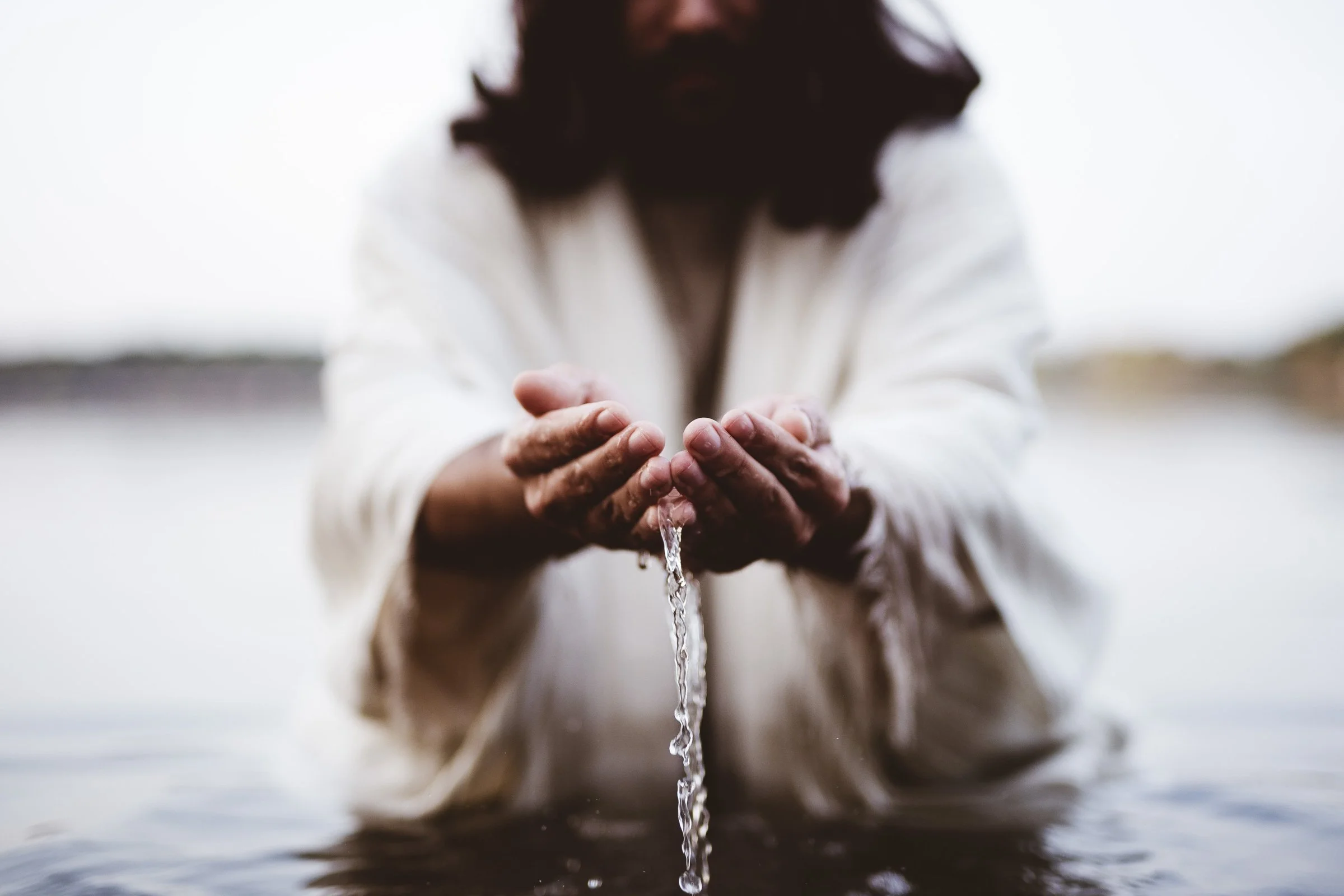

In this podcast, we introduce listeners to the profound and often complex study of the Doctrine of God, exploring His nature, attributes, works, and self-revelation through Scripture and the Holy Spirit. The episode emphasizes that theology is not merely an intellectual pursuit but a relational journey—one that invites believers to move beyond knowing about God into truly knowing Him personally, as illustrated through the faith and friendship of Abraham. By examining key theological disciplines and the role of both reason and revelation, the discussion establishes a framework for understanding how finite humanity can encounter an infinite God. We address the limits of human understanding, the necessity of divine revelation, and the balance between God’s transcendence and immanence, ultimately pointing to Jesus Christ as the fullest expression of God’s revealed nature and the key to truly knowing Him through faith, Scripture, and the Holy Spirit.
The Beatitudes from The Sermon on The Mount
The Beatitudes are a series of nine blessings that are part of a more extensive order of teachings, including the Lord’s Prayer, called “The Sermon on the Mount” (Matthew 5-7). The Beatitudes describe the virtues and attitudes of those who will inherit God’s Kingdom. The Latin beatitude derives from the Hebrew word ashrei (אֲשֶׁרִי), meaning blessedness or supreme happiness. Today, the Church of the Beatitudes is built on the traditional site where Jesus spoke.

The Fallen Angels
The reference to demons occurs frequently in the Bible. Jesus recognized their existence, as did the seventy disciples He sent out and the Apostle Paul. As believers, we are admonished to always focus on the Lord and never give the hosts of darkness any meaningful prominence in our lives. We rejoice in God’s victory, believing in His triumph over the demons. However, ignoring them is foolish, and they should be respected for their power but never feared. Angels are referenced more than three times as often as demons. So, let us always remember the words of Elisha: “Do not fear, for those who are with us are more than those who are with them… Lord, I pray, open his eyes that he may see” (2 Kings 6:16-17).
God's Kingdom and The Restoration of Israel
There is something profound in the Lord’s eyes for those from Abraham’s natural lineage. Paul said, “Concerning the election they are beloved for the sake of the fathers” (Romans 11:28). This verse implies that Israel is elected (chosen) by God. Chosenness is deeply misunderstood. To be chosen means to be entrusted with a role, task, or mission more significant than your small self. Chosenness infers we have meaning, destiny, and a greater purpose that is God-given rather than self-motivated. Paul said, “For so the Lord has commanded us: I have set you as a light to the Gentiles, That you should be for salvation to the ends of the earth” (Acts 13:47). Divine election carried Israel to a whole new level, and she is beloved for the sake of the fathers. When God assigned Israel her purpose, she became the fulfillment of that purpose in the form of a nation, and her irrevocable calling was and is to be a light to the Gentiles.
Reconnecting The Church to Israel
Throughout history, the church has sought to understand Israel’s place in God’s Kingdom, and the re-establishment of the state of Israel in 1948 has made this issue even more pressing. But the separation of the church from its Hebraic origins drove it into a period of great darkness. This was only exacerbated by an abyss of unbelief and skepticism caused by “the Enlightenment” (Aufklarung in Germany) that had opened in the West, culminating in self-centeredness, self-worship, and a rise in humanism during the Renaissance.
Israel's Covenants and The Kingdom
It can be said that Israel’s origins begin with Abraham, the father faith, as Paul, “It is of faith that it might be according to grace, so that the promise might be sure to all the seed, not only to those who are of the law, but also to those who are of the faith of Abraham, who is the father of us all” (Romans 4:16). God desired that Abram become a source of blessing to the whole world, setting before him a moral imperative to obey His commandment to leave everything of this world behind. Nearly two thousand years before the Advent of Christ, the Lord God made a covenant with Abraham, promising to make of him a great nation and a company of nations: “I will make you a great nation; I will bless you and make your name great; and you shall be a blessing. I will bless those who bless you, and I will curse him who curses you; and in you all the families of the earth shall be blessed” (Genesis 12:2-3).
Assurance and Security of The Believer
The assurance and security of the believer are essential to understand, and there are widely varying theological positions on the issue. But the assurance of our salvation provides the foundation and stability to our lives, removing doubt and uncertainty and deepening our faith and trust in the Lord. It enables us to enjoy an uplifting and rewarding prayer life, again trusting Him no matter what the current circumstances look like because we have an eternal promise of salvation. It gives us power over the fallen nature, temptations of the flesh, and the spirits of darkness that work against us, knowing that our lives are hidden with God in Christ. And it provides us with the strength to share our testimony of salvation and influence others with the Gospel, even in the face of adversity and persecution.
Justified Before God
Justification and regeneration are closely related doctrines. Regeneration occurs in believers' hearts when they receive Christ and become “born again.” It refers to an impartation of life and is God’s answer to the problem of sin and spiritual death. In comparison, justification by faith is the foundational truth of God’s provision of salvation. Justification is often misunderstood but is one of the profound truths of God’s salvific plan restored to the church from the Protestant Reformation.
Faith and Trust
Our salvation requires faith, and Jesus was looking for it when He came to the Jewish people. Jesus told His disciples: “When the Son of Man comes, will He really find faith on the earth?” (Luke 18:8).
But Paul said: “For by grace you have been saved through faith, and that not of yourselves; it is the gift of God” (Ephesians 2:8). From his words, we are not saved by faith. Instead, God’s grace saves us through faith. But even our faith is a gift from God lest we erroneously believe that somehow, we can save ourselves from our dead nature caused by sin. No, we were dead in trespasses, and dead people are neither aware nor capable of making themselves alive through faith. Only God can save us by His grace and the faith He has given us so we might choose Him. As we read, “God has dealt to each one a measure of faith” (Romans 12:3).
Election Unto Salvation
Christ's death, burial, resurrection, and ascension reveal many purposes in God’s unfolding restoration of humanity and His creation. God entered this world in the likeness of human flesh and the person of the Holy Spirit to bring about man’s complete rebirth and transformation. God’s provisions for us include election, repentance, faith, justification, regeneration, adoption, sanctification, assurance, and security. Christ is Lord and King over all, but without royal subjects to govern, there is no King, and there can be no Kingdom.
The Nature of Sin
There are many expressions in the Bible that define sin. Some include: missing the mark or aim, overpassing or trespassing of a line (to transgress), disobedience to a voice, falling where one should have stood upright, ignorance of what one ought to have known, diminishing of that which should have been rendered in full measure, non-observance of a law, lawless or anarchy (complete disregard for the law), and debt, failure in duty, and not meeting one’s obligation to God. The Bible also uses iniquity, godlessness, wickedness, unbelief, unrighteousness, injustice, and unholiness to define sin.
The Works of God
Scripture is clear regarding God’s Divine purpose in the creation. He is omniscient and knows every detail of humanity and the nations from the beginning through the end. All God’s works are sovereignly governed according to His plans and purposes. As we read: “God reigns over the nations; God sits on His holy throne” (Psalm 47:8); “Declaring the end from the beginning, And from ancient times things that are not yet done, Saying, 'My counsel shall stand, And I will do all My pleasure,' Calling a bird of prey from the east, The man who executes My counsel, from a far country. Indeed I have spoken it; I will also bring it to pass. I have purposed it; I will also do it” (Isaiah 46:10-11).