
Theology is the study of God and His relationship with the creation. In Christianity, theology takes on a specific form and system, creating the basis for studying religious Christian doctrines and matters of divinity. It may describe the study of biblical truth or represent the study of God Himself, including His existence, nature, names, attributes, and works. While theological topics have varying and seemingly conflicting opinions, the core tenants of Christian theology hold true to nearly every church and denomination.
The Doctrine of Scripture
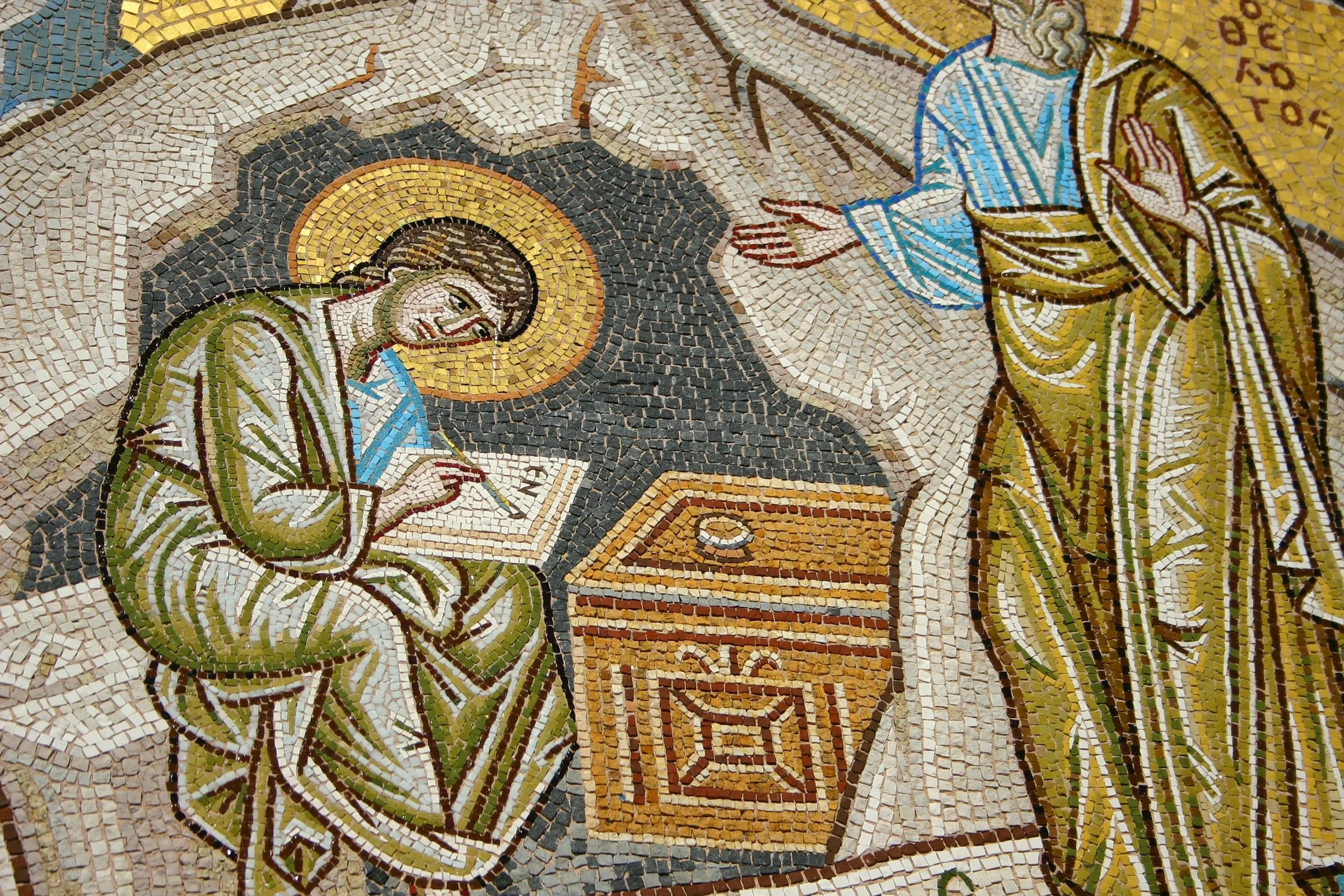
From the beginning, God has desired to make Himself known to His creation. God is Spirit and cannot be seen, and his transcendence is beyond our imagination. However, His imminence brings Him so close that He purposefully dwells within His children. Thus, He has chosen to reveal Himself both in the person of Jesus Christ, the Son of God, and the indwelling presence of the Holy Spirit. These two are one and co-equal with the Father, yet they each reveal different aspects of God.
History of The Bible
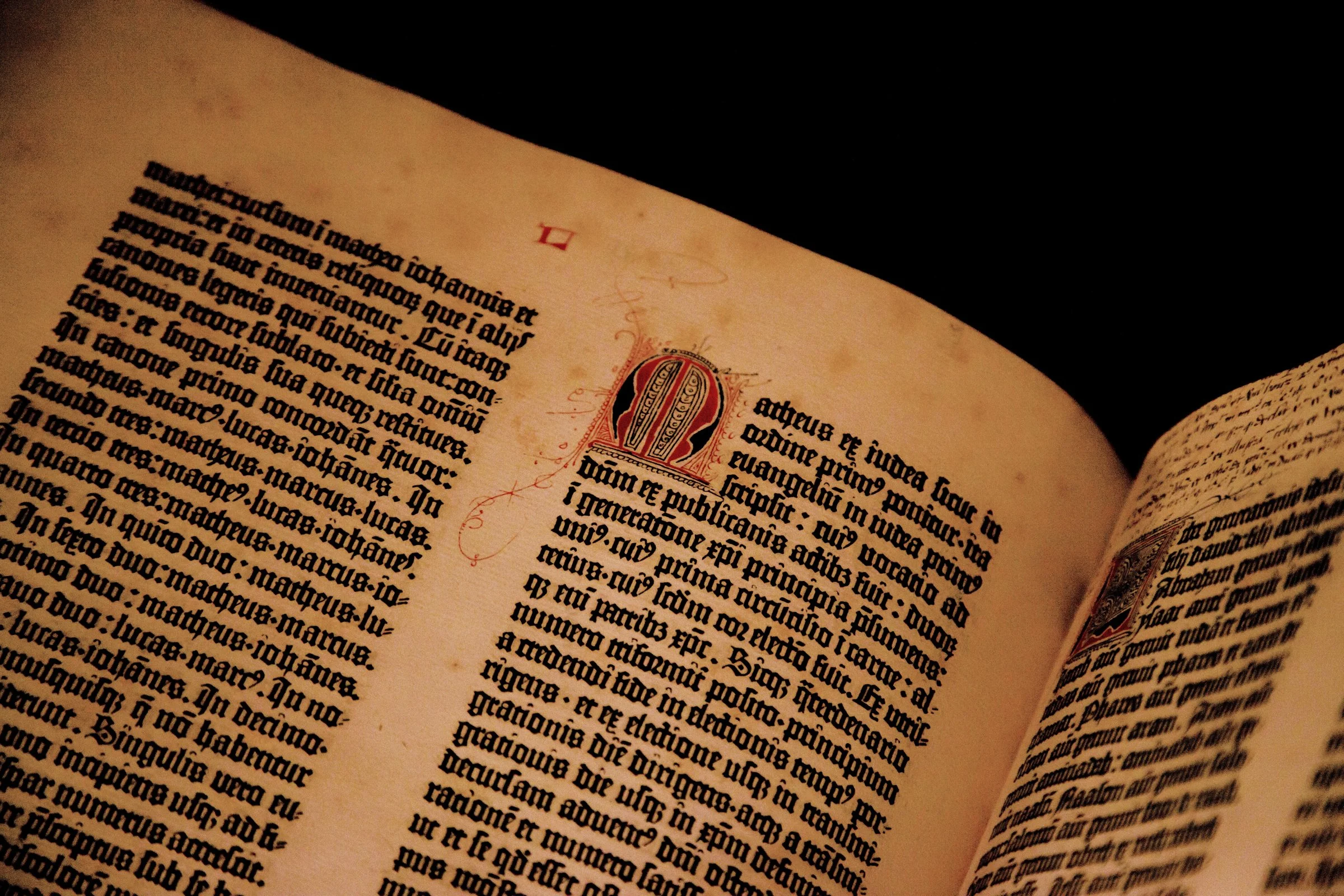
The English word for the Bible comes from the Greek biblos and biblion and means “book” and “little books.” The Bible is also called “the Scripture,” “holy writings,” “sacred writings,” “the oracles of God,” and most descriptively, “the Word of God.”
Understanding The Trinity
Christian theology takes on a definite form and system of study, creating the basis for exploring religious doctrines and matters of divinity, specifically the relationship of God with His creation. Theology comes from two Greek words: theos, meaning “God,” and logos, meaning “discourse” or “reason.” Therefore, theology is the discourse or reasoning about God, His existence, nature, names, attributes, works, and His biblical truth. One of the more challenging areas of theological study is that of God’s triune nature—the Trinity.
Israel and The Church
The Lord spoke to Jacob, saying, “Your name shall no longer be called Jacob, but Israel; for you have struggled with God and with men, and have prevailed” (Genesis 32:28). Here in Genesis, for the first time, we hear the name “Israel” given by God Himself to Jacob, the patriarch of twelve sons who would become the twelve tribes of Israel.
Are We In The Kingdom?
Yeshua ministered throughout all Judea, Samaria, and the Galilee, saying: “Repent, for the kingdom of heaven is at hand!” (Matthew 3:2). Was He inferring that the Kingdom of God had arrived and that we are now living in it? Not exactly.
Return of The Home Church
In the book of Acts, we read, “And suddenly there came a sound from heaven, as of a rushing mighty wind, and it filled the whole house where they were sitting” (Acts 2:2). “So continuing daily with one accord in the temple, and breaking bread from house to house, they ate their food with gladness and simplicity of heart” (Acts 2:46).
Recapturing a Lost Generation
On the Day of Pentecost, Peter declared: “And it shall come to pass in the last days, says God, That I will pour out of My Spirit on all flesh; Your sons and your daughters shall prophesy, Your young men shall see visions, Your old men shall dream dreams” (Acts 2:17). He was quoting the book of Joel verbatim.
Entering The Kingdom
The arrival of the Messiah and His death and resurrection is unquestionably the most significant event in human history. Jesus-Yeshua, the Son of God, was born of a woman conceived by the Holy Spirit. He lived a perfect and sinless life, and in God’s time, He gave His life to atone for the sins of humanity.
Healing of The Nations
We read about the New Jerusalem: “And he showed me a pure river of water of life, clear as crystal, proceeding from the throne of God and of the Lamb. In the middle of its street, and on either side of the river, was the tree of life, which bore twelve fruits, each tree yielding its fruit every month. The leaves of the tree were for the healing of the nations” (Revelation 22:1-2).
Moving Mountains
“So Jesus said to them, “Because of your unbelief; for assuredly, I say to you, if you have faith as a mustard seed, you will say to this mountain, ‘Move from here to there,’ and it will move; and nothing will be impossible for you” (Matthew 17:20).
How many times have I read this verse conjuring up images of large mountains plunging into the ocean? Now, I have never seen this happen nor witnessed my prayers causing even a pebble to move out of place. Or have they?
Edom and The Last Days
The word Edom in Hebrew means “red.” The Bible relates this name to Esau, the elder son of the Hebrew patriarch Isaac and the brother of Jacob—later named Israel. Esau became the father of the Edomites and other nations, including Amalek. The Edomites primarily inhabited the area of Mount Seir. This mountainous region, situated in modern-day Jordan, stretches along the eastern flanks of the Jordan Valley from the Dead Sea southward towards the Gulf of Aqaba.