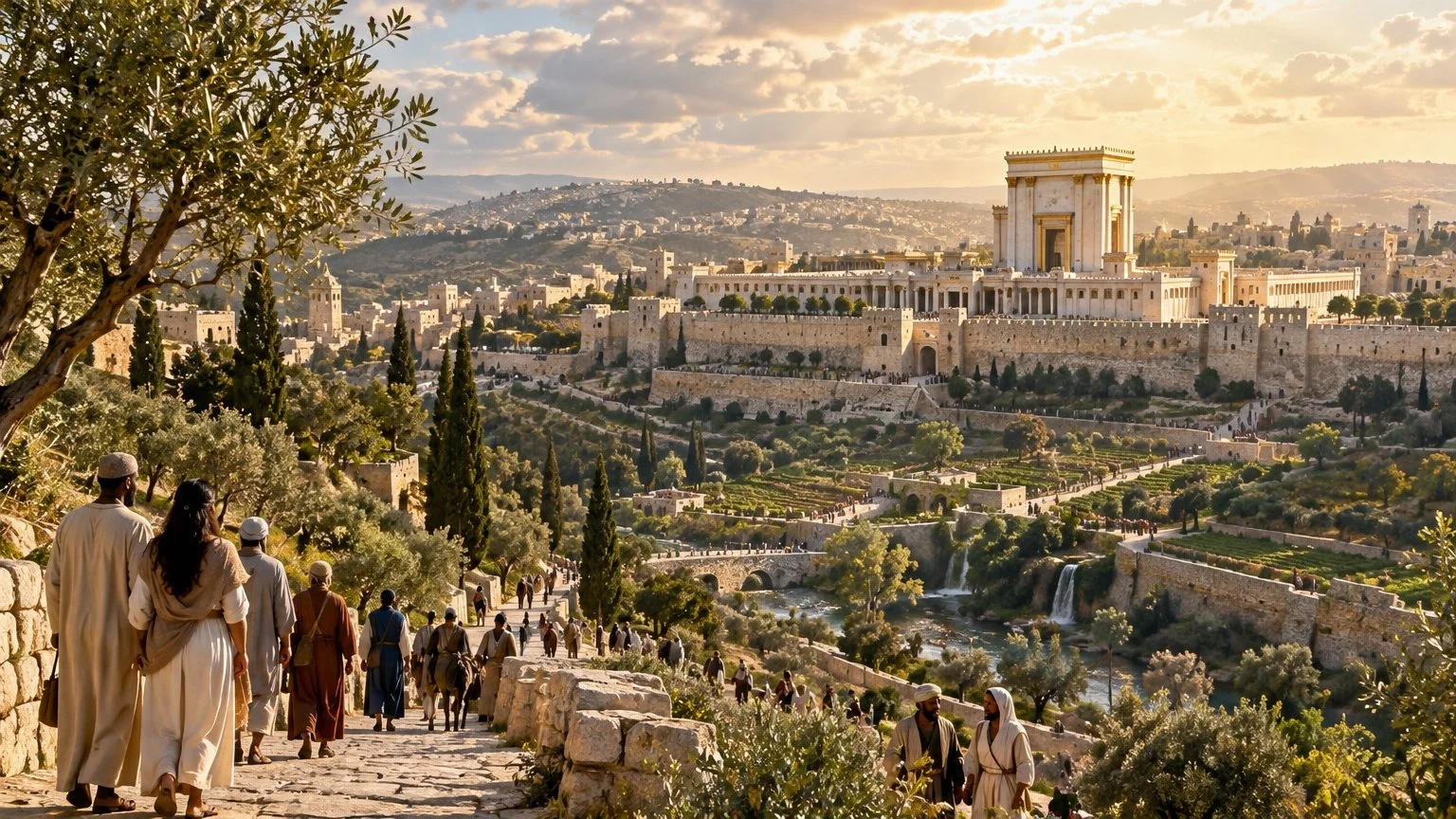
The return of Jesus Christ will inaugurate one of the most extraordinary periods in human history: the establishment of His righteous kingdom on earth. For a thousand years, the Messiah will reign over Israel and the nations, fulfilling God’s everlasting covenant promises, restoring David’s throne, and bringing unprecedented peace, justice, and prosperity to creation. The Apostle John describes this period in Revelation 20:1–6, where Satan is bound and the resurrected saints reign with Christ for a thousand years. While the Millennium is only mentioned in this one chapter of Revelation, it is repeated five times, indicating its importance in our eschatological understanding of God’s Kingdom and the chronological specificity about what will happen at both the beginning and the end.
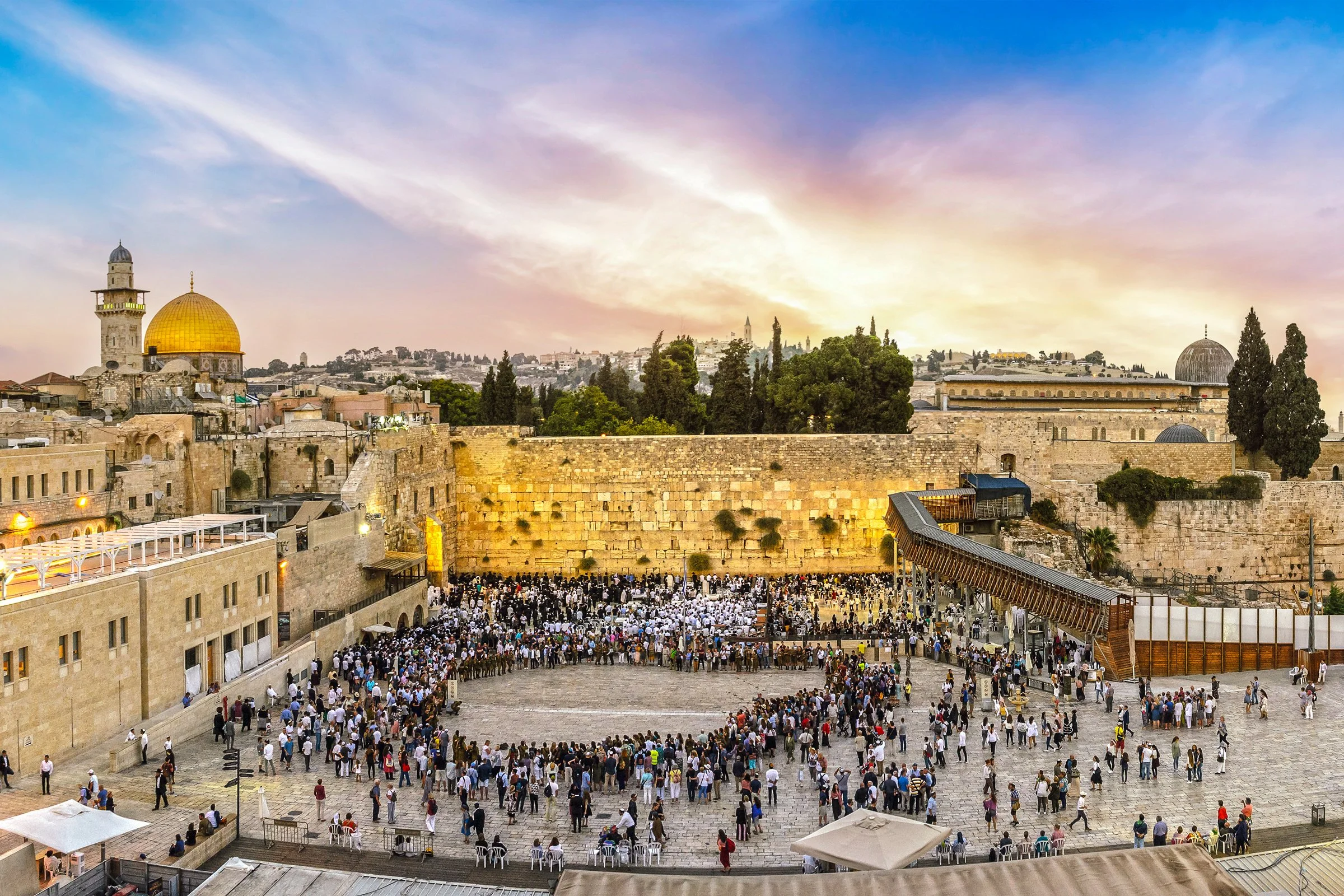
Israel—God’s Covenant Nation
There is a growing theological shift, especially amongst younger Evangelical Christians, that has led to the belief that the church is the fulfillment of the covenant promises given to Israel and, in a sense, has become a “new” Israel. The verses most often quoted are from Paul’s writings to the Galatians, where he closes with these words: “For in Christ Jesus neither circumcision nor uncircumcision avails anything, but a new creation. And as many as walk according to this rule, peace and mercy be upon them, and upon the Israel of God” (Galatians 6:15-16). Looking at the broader context, Paul is speaking to a mixed, but likely predominantly Gentile audience, who are being persuaded to follow the Law of Moses. The Jewish congregants were likewise being persuaded to return to the Mosaic Law. Rightfully so, Paul was correct to tell the Galatians not to return to the Old Covenant, but rather to hold steadfastly to the New Covenant, which has made us a new creation in Christ.

