
In the Beginning

In the Beginning

We read, “In the beginning, God created the heavens and the earth” (Genesis 1:1).

The first word in Hebrew is Be-reisheet. This word signifies the very act of creation—God brought “being” into existence from “non-being,” something from nothing. In the beginning (Be’reisheet), the Lord God-YHVH made everything perfect. Each living organism on earth is divinely planned and woven into the most remarkable fabric of creation, a living tapestry of God’s artwork. Every detail is carefully and methodically executed by the wisdom of God, for creation without wisdom would be chaos. But the universe is far from that. It is intelligently designed by God’s hand. Each star and speck of dust moved into place, every planet in our solar system carefully aligned, and the earth itself delicately cloaked in a firmament of water and oxygen, a biosphere capable of sustaining all life.

God Looks at Our Hearts

God Looks at Our Hearts

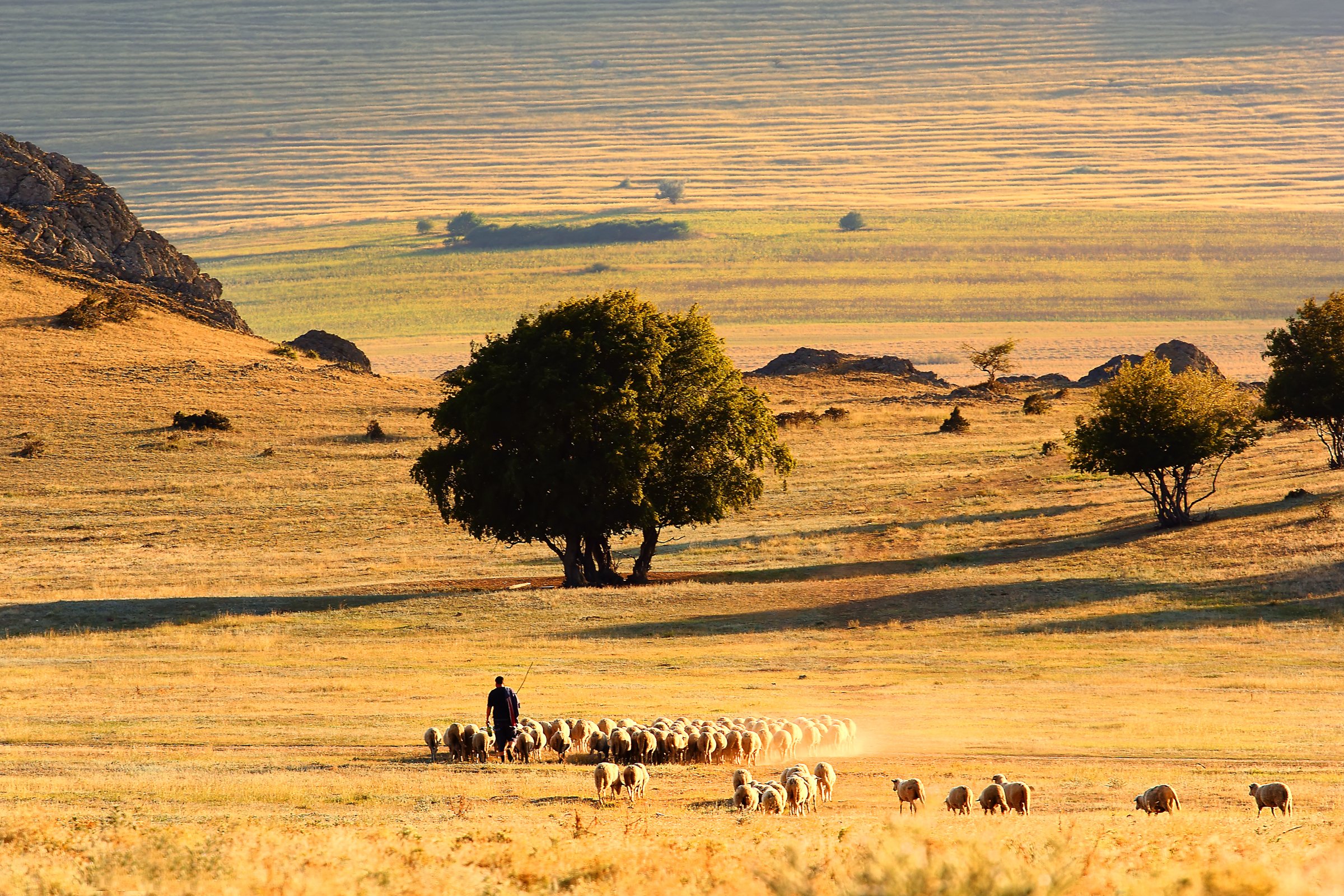
The story of David, an ordinary boy raised to extraordinary heights by an extraordinary God. The Son of Jesse, a simple shepherd boy chosen by God to be the King of Israel. And the only figure in the bible to be called: “A man after God’s own Heart.” In so many ways David is given to us as a type of Yeshua, a preeminence of Him to come.

Israel—A Covenant to the People and a Light to the Nations

Israel—A Covenant to the People and a Light to the Nations

In God’s infinite wisdom He has woven into the fabric of humanity a plan for the redemption of fallen man. We can see that by His divine election that He has preserved a seed that extends from Adam through Noah, Abraham and King David, ultimately bringing forth the Messiah Yeshua, the stem and the root of Jesse, and the branch and arm of God. But with Abraham, God made a covenant to create a nation that would literally become ‘one’ with Him. To understand His purpose for humanity we must look to Israel, for she is the only nation on earth to receive direct revelation of God, and the only nation to be born of His Covenant.

In the Land of Egypt

In the Land of Egypt

“Now the Lord spoke to Moses and Aaron in the land of Egypt…” (Exodus 12:1, NKJV).

This chapter details the exodus from Egypt, the laws of the Passover, and the plague of the first-born. But it opens with an intriguing phrase, “in the land of Egypt.” Since we know the story is unfolding in Egypt, why is it necessary for God to reiterate an obvious fact?

God Tests the Righteous

God Tests the Righteous

“Now it came to pass after these things that God tested Abraham…” (Genesis 22:1, NKJV).

This verse provides a rather puzzling question. If God is omniscience, meaning that He is all-knowing, why does He need to test Abraham? And, if He already knows the outcome of the test with Abraham then why is the test even necessary? To discover an answer we will turn to Midrashic commentary; Genesis Rabba 55:2.

Why Did God Choose Abram?

Why Did God Choose Abram?

“Now the Lord had said to Abram: Get out of your country, from your family and from your father’s house, to a land that I will show you” (Genesis 12:1, NKJV).

In this opening chapter in Genesis we see that God has chosen Avram (Abram), yet it gives us no indication for what motivation? Noah’s election in previous chapters is obvious for the Lord said that Noah was a righteous man, perfect in his generations. He had found favor in God’s eyes and was chosen to save a remnant of humanity.

The Name of God—YHVH

The Name of God—YHVH

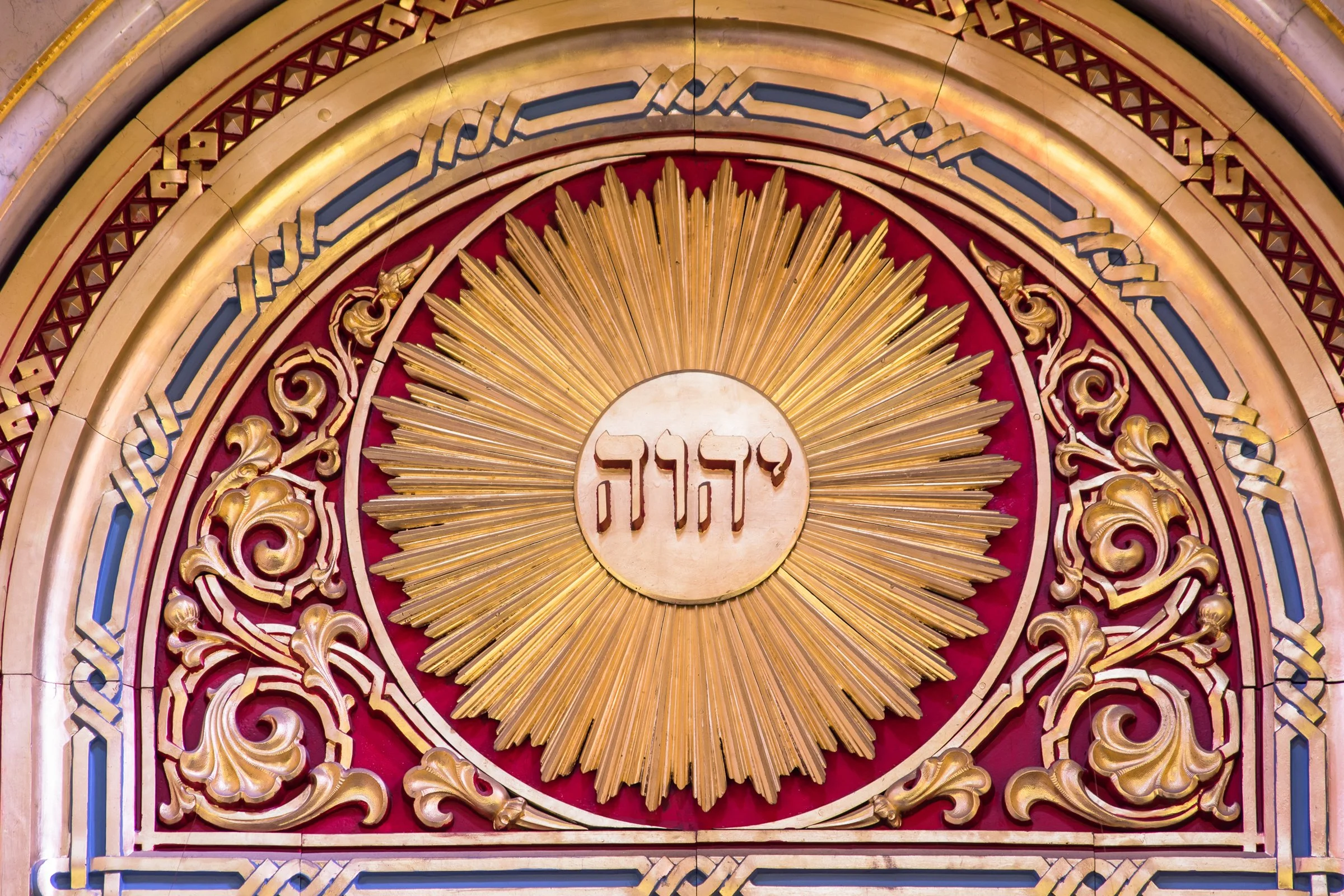
God's name is the most frequently used noun in the Hebrew Bible, occurring over 6,800 times. It is spelled with only four consonants: Yud, Hey, Vav, Hey (יְהוָה), and is called the “Four-Letter” name of God, or the “Tetragrammaton” in Greek. This is God’s written name because He is the Word of God, and we know that Yeshua is the word of God who came in human form. In other words, God’s written word came to life. Hence, the “word became flesh.”

Chanukah—The Festival of Lights and Feast of Dedication

Chanukah—The Festival of Lights and Feast of Dedication

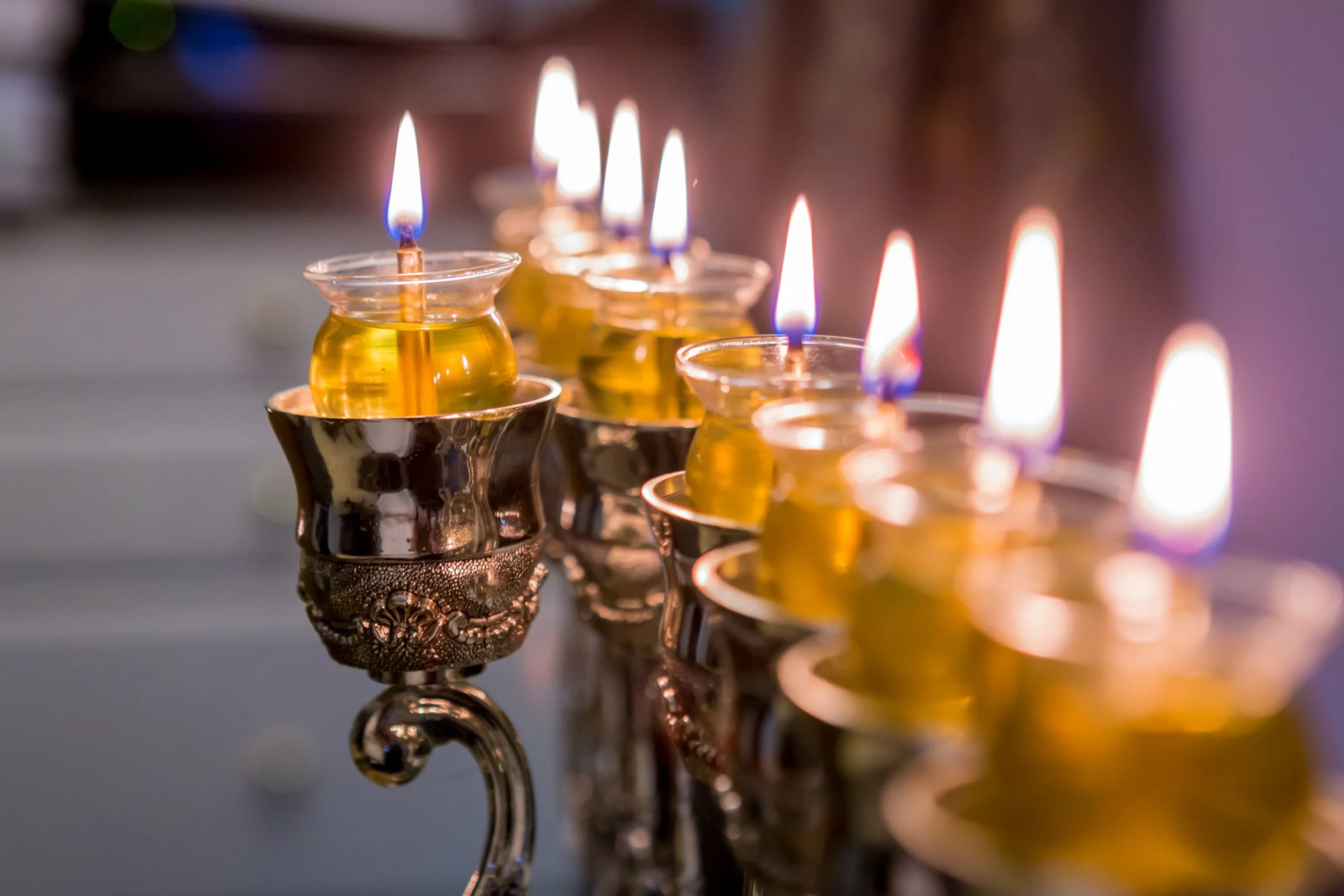
The story of Chanukah takes place about two-hundred years before the birth of Christ during the time of the second temple in Jerusalem. A small group of Israelites led by a family of Aaronic priests, called the Maccabees (Hebrew meaning hammer), had risen up against their Greek-Syrian oppressors in what is called the Maccabean Revolt. This was not just a fight against a foreign occupying presence, but a spiritual battle against the Hellenization and assimilation of the Jewish people into Greek culture and idolatry.

Understanding Midrash

Understanding Midrash

There is a growing hunger within the church to understand its Hebraic foundation, often call the Hebraic roots of the church. This does not imply in any way that gentile believers suddenly become Jewish, or that Jewish believers loose their ethnic and cultural identity in following Christ.

The Prophet in the Graveyard

The Prophet in the Graveyard

“Now the word of the Lord came to Jonah the son of Amittai, saying, ‘Arise, go to Nineveh, that great city, and cry out against it; for their wickedness has come up before Me.’ But Jonah arose to flee to Tarshish from the presence of the Lord. He went down to Joppa, and found a ship going to Tarshish; so he paid the fare, and went down into it, to go with them to Tarshish from the presence of the Lord” (Jonah 1:1-3, NKJV).

For His Name Sake

For His Name Sake

Many are saying they are under increased spiritual attack. I have watched some respond with warfare, and others fall into a state of despair. Neither one is necessarily correct until we understand the reason for an attack. Many questions therefor arise: Am I doing something wrong? Am I living in sin? Am I being disciplined by God? Is my armor incomplete? Should I be praying more? Is my faith lacking? Am I doing something right, therefore the enemy is trying to thwart my efforts? Or, am I simply being tested by God? These are all valid questions from a human perspective, but they may or may not necessarily be God’s perspective.